
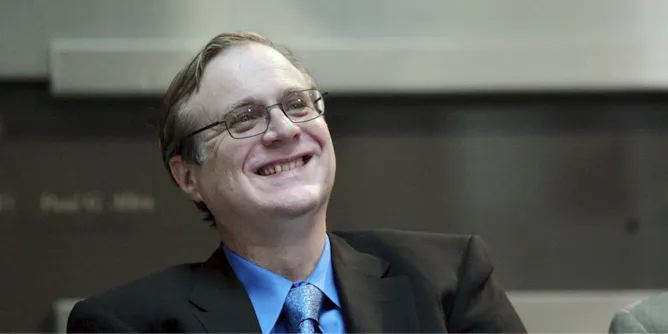
Giving that’s associated with the wealthiest Americans – from bequests and foundations to universities and donor-advised funds – fared better than usual.
Articles on donor-advised funds
Displaying all articles

When foundations make grants to DAFs, the digital trail normally created instead becomes a dead end.
Giving to nonprofits engaged in education, health, arts, culture and humanities, the environment, and animals reached all-time highs.

Donors can get two different tax breaks when they give by turning stocks, bonds and other financial assets into charitable gifts.

Big changes would require an act of Congress but lawmakers have not stepped up. And there’s been pushback against new rules the IRS has proposed for these accounts reserved for giving.

Three scholars weigh in regarding the priorities of these wealthy American donors, who gave less to social service and racial justice groups than in the first year of the COVID-19 pandemic.

Little comprehensive research about what the charitable accounts, known as DAFs, are supporting has been conducted until now.
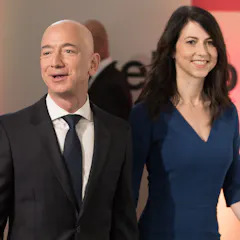
While support for social services and historically black colleges and universities rose sharply, these donors spent a tiny fraction of what the government distributed to people who needed help.

When organizations dedicated to doing good make money their top priority, they get into trouble.

Before you reach for that checkbook or give to a charity online, pause to think about what makes a cause good in the first place.
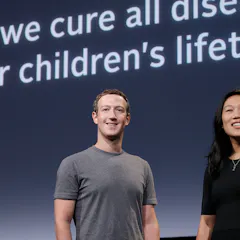
As these tax-exempt vehicles transform philanthropy, they’re drawing more scrutiny. Will Congress or the Trump administration tinker with the rules that encouraged their rapid growth?
Top contributors
-

Professor of Accounting, The Ohio State University
-
Interim Director of Data & Research Partnerships at the Lilly Family School of Philanthropy, Indiana University
-
Frey Foundation Chair for Family Philanthropy, Grand Valley State University
-
Professor of Public Administration, Binghamton University, State University of New York
-
Associate Professor of Public Policy and Public Administration, George Washington University
-
Associate Director of Research, Lilly Family School of Philanthropy, and Managing Editor, Giving USA, Indiana University
-
Professor of Law, University of Pittsburgh
-
Ph.D. student in Complex Systems and Data Science, University of Vermont
-
UNESCO Chair in AI Ethics & Governance, IE University
-
Research Associate in Philanthropy and Editor-in-Chief of Giving USA, Indiana University