
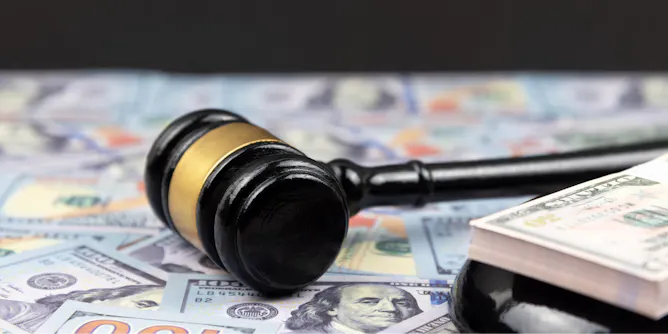
A huge amount of money flows into campaigns in the United States. For 20 years, the Supreme Court has been loosening rules for who can contribute and how much. It just loosened the rules again.
Articles on Dark Money
Displaying 1 - 20 of 33 articles
Iran is drawing on a characteristic of money that has been around since at least the bronze age: enabling trade between strangers and across political boundaries.
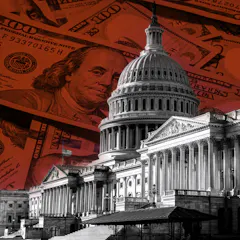
A gobsmacking amount of money is spent on federal elections in the US. The credit or blame for that reaches back to a landmark, 50-year-old Supreme Court decision.
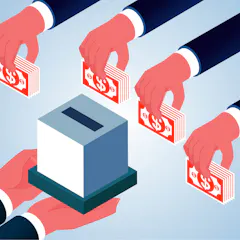
When foundations make grants to DAFs, the digital trail normally created instead becomes a dead end.
Americans are being targeted with an unprecedented number of political attack ads this election season, and research shows that these ads can leave voters feeling exhausted, angry and stressed.
Donors often try to conceal their involvement in politics, and campaigns try to hide what they spend their money on.
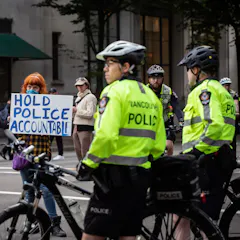
The greedy tendencies of police departments help illustrate why public police funding is a major problem today in Canada and the United States.

When an attention-based media system always allows the noise-makers to dominate the conversation, it becomes impossible to hear the full range of voices and views.
Some 44,000 people – about one-hundredth of 1% of the US population – have given $10,000 or more each to this election. So much money from so few donors inevitably distorts the political process.
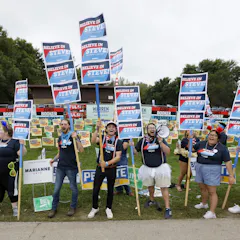
A law professor explains political disclosure laws, how donors get around them – and what to do about it.
Congressional midterm election spending will likely hit a record $5 billion. But the spending masks the main problem with US campaign financing: who gives the money and what they may get in return.
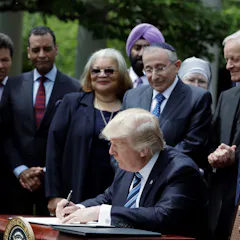
Deactivating the tax provision known as the Johnson Amendment could increase the flow of dark money, reducing accountability in campaign finance.
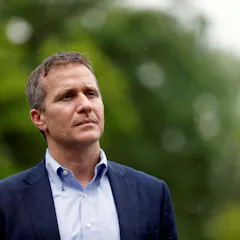
Embattled Gov. Eric Greitens resigned over allegations tied to political contributions from concealed sources.
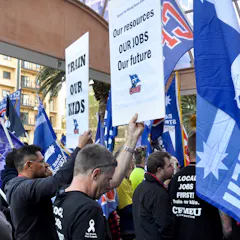
Workers are getting ABNs and being employed as contractors responsible for their own tax payments. This is undercutting conditions and eroding the most important part of the nation’s tax base.
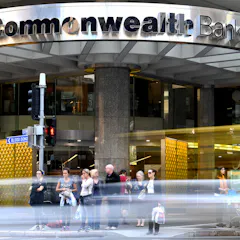
One bank customer whose identity was stolen asks: ‘Why didn’t they call the fraud squad, or the police?’ It’s a very good question.

Pharmaceutical giant Pfizer has engaged in a series of paper transactions to create a A$936 million loss in Australia – effectively a billion-dollar exercise in avoiding tax.
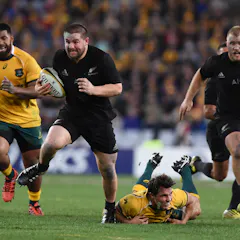
Drug prices in Australia are three times higher than in New Zealand. A key reason is the lack of transparency about taxpayer subsidies for Big Pharma and the companies’ own finances.
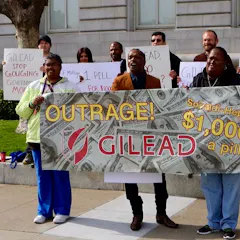
How much can a multinational take before its social licence to operate in this country expires? How much corporate welfare is too much?

The Australian government took out ads this month boasting of victory in the fight against multinational tax avoidance. It is no small irony that taxpayers forked out for this bald-faced lie.
The NSW Business Chamber insists that arguing against entitlements for low-paid workers and victims of domestic violence qualifies as a charitable exercise.
Top contributors
-

Adjunct Associate Professor, School of Social and Political Sciences, University of Sydney
-
Assistant researcher, University of Sydney
-
Joseph P. Chamberlain Professor of Legislation, Columbia University
-
Assistant Professor of Law, Quinnipiac University
-
Professor Emeritus of Public affairs and Philanthropic Studies, Indiana University
-
Professor of Law, Stetson University
-
Ph.D. student in Complex Systems and Data Science, University of Vermont
-
Professor of Accounting, The Ohio State University
-
Professor of Criminal Justice, University of Winnipeg
-
Professor of Media Studies, Penn State
-
Postdoctoral Fellow in Annenberg School for Communication, University of Pennsylvania
-
Professor of Criminology, University of Windsor
-
Staff Attorney, State Democracy Research Initiative, University of Wisconsin-Madison
-
Associate Professor of Media and Communication, Temple University
-
Associate Professor and Researcher, Department of Archaeology and Ancient History, Lund University