

The fall of the Sycamore Gap tree was more than a loss of natural beauty. It was, for many, a symbolic attack on permanence, on meaning, and on shared identity.
Articles on Citizenship
Displaying 21 - 40 of 265 articles
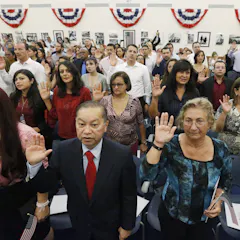
In 1967, the Supreme Court said the government usually cannot take away citizenship without a person’s consent.

The US and other countries have a legal definition of citizenship, yet human psychology and identity politics result in ingrained biases over who truly belongs.
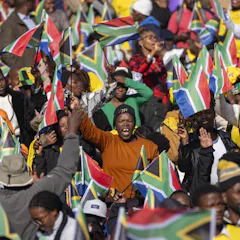
Pre- and post-election surveys in South Africa show a surge in optimism and pro-democratic sentiment.

Today, a new generation of artists and online creators are less likely to see their markets or identities confined by national boundaries.

Having the support of family members living in a foreign country was one of the reasons Nigerian women gave for choosing to have their babies overseas.

A survey of hundreds of Floridians found that nearly two-thirds of non-US citizens and one-third of US citizens hesitated to seek medical care.
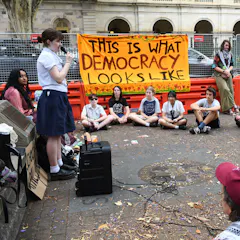
In a new civics report, only 28% of Australian Year 10 students met the ‘proficient standard’ in 2024 compared to 38% in 2019.

The 2025 Immigration Plan aims to cut the numbers of temporary migrants in Canada from 6.5 per cent to five per cent of the population. Instead, it will boost the number of non-status people.
Since the earliest days of the nation, any person born on US soil is a US citizen. A new Supreme Court ruling limits judges’ ability to block Trump’s order.

Like hundreds of thousands of others, Paola Egonu only became an Italian citizen as a teenager despite being born there.

Youth citizenship is a fluid identity that stretches beyond disappointment, protest or voting.
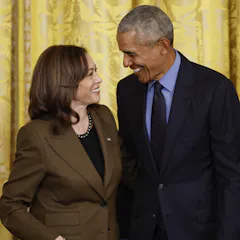
A falsehood once used on Barack Obama – that he wasn’t eligible to be president – is being recycled to challenge the right of Kamala Harris to serve as president.
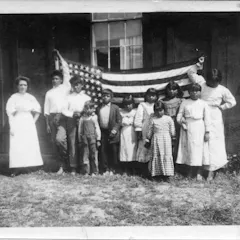
Why few Native Americans are celebrating the centennial of the Indian Citizenship Act of 1924.
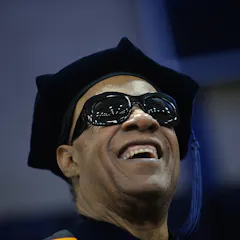
Ghana has long attracted African Americans who have suffered racial injustices in the US.

Traditional institutions represent, for many African citizens, the most immediate form of governance.
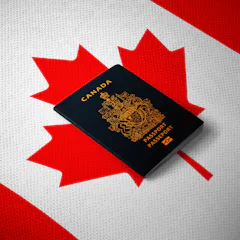
For years, people known as the ‘lost Canadians’ pushed for changes that would address discriminatory provisions in the Citizenship Act. They succeeded, and now amendments are being considered.
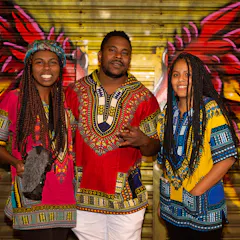
Primary identities are foundational and serve as the core part of an individual’s identity.

Convicted terrorist Abdul Nacer Benbrika yesterday won the right to remain an Australian citizen. So will he go free? And what does this mean for national security?

We need a richer account of democracy within which to locate the Voice, to lift the quality of public debate about it.
Top contributors
-

Professorial Fellow, University of Canberra
-
Senior Research Associate, Andrew & Renata Kaldor Centre for International Refugee Law, UNSW Law School, UNSW
-
Senior Lecturer, Sydney Law School, University of Sydney
-
Vice-Chancellor and President, University of Canberra
-
Senior Lecturer in Law, The Open University
-
Professor of Law and Government, Durham University, Durham University
-
Lecturer in Caribbean History & Politics, Institute of Historical Research, University of London, School of Advanced Study, University of London
-
Associate Professor in Politics and International Relations, School of Social Sciences, Monash University
-
Professor of Law, UNSW Law School, UNSW
-
Adjunct professor, Adelaide University
-
Professor Emerita, Sydney Law School, University of Sydney
-
Vice-Chancellor and President, Australian Catholic University
-
Senior Advisor ( Research and Communications), Australian Catholic University
-
Professor of International Law and Director, Sydney Centre for International Law, University of Sydney
-
Reader in Law at The City Law School, City St George's, University of London