
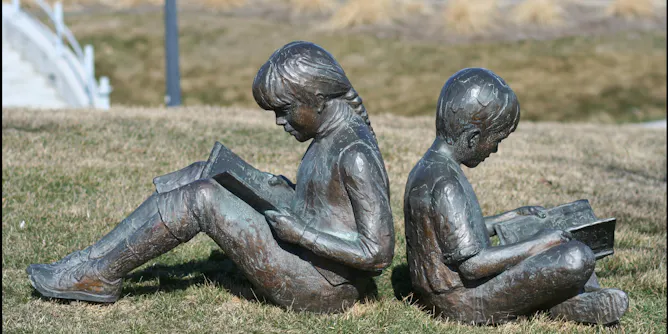
Children’s literature may be a modern genre, but there is a long history of writing for children with some surprisingly unchanging elements.
Articles on Children's books
Displaying 101 - 120 of 120 articles
What stories can teach children about the world.
From the informative to the whimsical to the flat out hilarious, here are ten Australian books to keep your child’s brain active through the holidays.
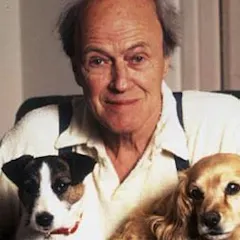
An idyllic childhood in Wales inspired one of the world’s most treasured children’s writers in unexpected ways.
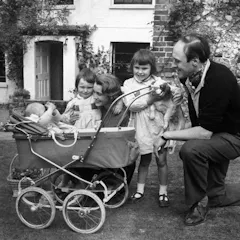
A war hero and a philanthropist, or a bully and a misogynist – there are many versions of the enigmatic author.
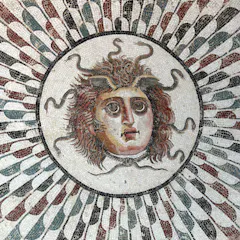
Australian writers are embracing monsters from classical mythology, which provide profound connections to issues of identity and coming of age. Which mythical beast are you? Try our author’s quiz and find out.
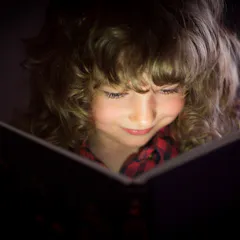
Dismissing children’s books as childish only means that adult readers miss out on a world of fantastic literature.
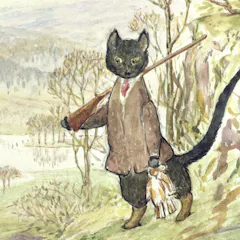
What can we expect from this newly discovered manuscript from a much-beloved author?
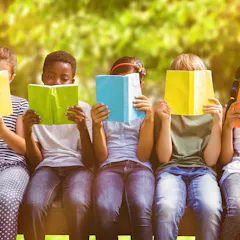
A selection of some of the best books to share between children and parents on the topic of family and friends.
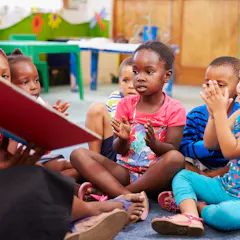
Traditional African stories often tackle big, occasionally scary and serious themes. This is even true in children’s stories – though there’s plenty of room for silly fun, too.
George tells the story of Melissa, a ten-year-old girl who the world sees as a boy named George. Such books will, hopefully, move from being anomalies to part of the status quo.

Family meals – with lively conversation, storytelling and discussions of books and the tales they contain – feed children’s literacy skills.
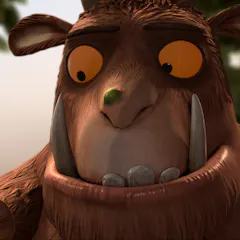
Julia Donaldson’s tale of brains and brawn may only be 16 years old, but like Harry Potter it has joined the ranks of the all-time greats.
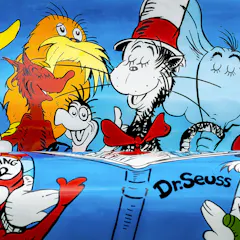
What Pet Should I Get? stays true to Dr Seuss’ dedication to themes of universal appeal, and his deep aversion to prejudice.
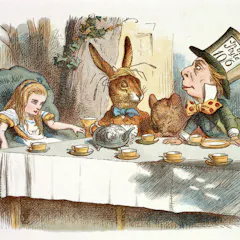
Carroll’s pivotal children’s classic offers a timeless mystery for generations to come.

The very idea of the happy ending as appropriate literary fare for children is an illusion. Most fairy tales are full of darkness and violence, and as often as not do not end happily.
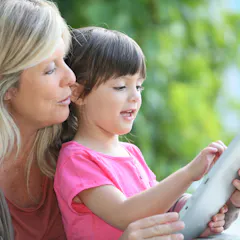
A recent US survey commissioned by the children’s books publisher Scholastic found that 65% of 6-11 year olds prefer to read print books even when e-books are available on tablets. In the UK, a National…
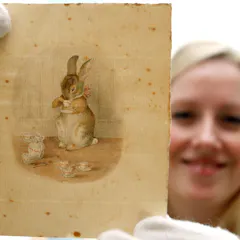
Maurice Sendak, author of Where the Wild Things Are, was an ardent defender of children’s literature, believing the works of Beatrix Potter to be equal to “the greatest English prose writers that have…
There’s a lot of attention right now on diversity in children’s books – or, more accurately, the lack of it. It’s not a new problem. White people have been talking about this issue since Nancy Larrick…
It’s little wonder that we often feel as though our kids aren’t as successful with reading as we’d like them to be. The “reading wars” - the battle between sounding out words and using the sentence as…
Top contributors
-

Sessional Academic, Children's Literature and Creative Writing, Victoria University
-
Professor of Children's Literature & Childhood Culture, Queen Mary University of London
-
Associate Professor, School of Education, Edith Cowan University
-
Associate Professor in Communications and Journalism, UNSW
-
Honorary Associate, Department of Linguistics, University of Sydney
-
Senior Lecturer, Applied Language and Literacy Studies, University of Cape Town
-
Head of Advocacy, Global Parenting Initiative in the Department of Social Policy and Intervention, University of Oxford
-
Lecturer, University of Cape Town
-
Reader in Creative Writing, University of Bristol
-
Senior Lecturer in Humanities, University of Southern Queensland
-
Professor of Reading and Children’s Development, The Open University
-
Senior Lecturer in English, Manchester Metropolitan University
-
Emeritus professor of children's literature, University of Canberra
-
Associate Professor in Literary Studies, Monash University
-
Professor of Psychology, UMass Lowell