
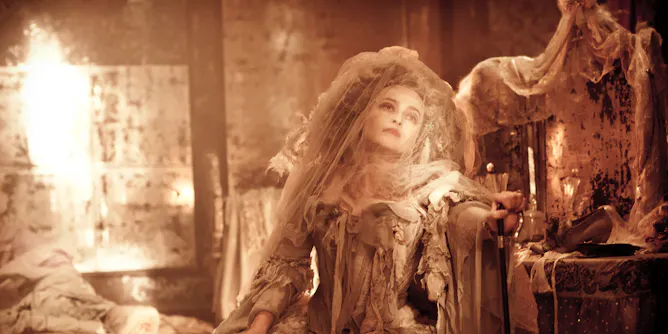
It is one of Dickens’ best loved novels and an exposé of the class system, but the book’s depiction of women has proved divisive.
Articles on Charles Dickens
Displaying 21 - 40 of 55 articles

The pandemic changed people’s dining-out experience, with takeout becoming more common. But since dining out became fashionable in the 18th century, how and where people go to eat has been evolving.

Insights editors choose their top reads of the year.
Dickens worried for the safety of his sons when diphtheria broke out in France and - in a newly discovered letter - wrote about how the truth was difficult to find.

The Christmas holidays can sometimes feel a little unhealthy but the ingredients that makeup a Christmas pudding are pretty nutritious.
Holiday movies have been an essential part of the American winter celebrations. They offer a glimpse into how the world is could be, often in sharp contrast to reality.

Over two centuries. the notion of boredom has shifted from an upper-class malady, through existential peril, to a functional emotion.
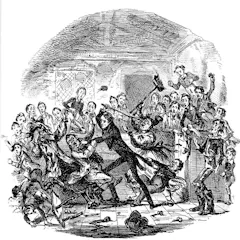
Dickens’s novels highlighted the poverty of education for the working classes. The all-important Education Act was finally passed in the year of his death.
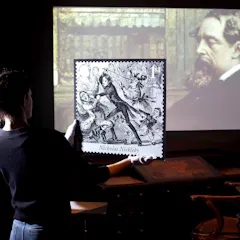
Almost as soon as Dickens died in 1870, writers and illustrators began to take liberties with his life and career.
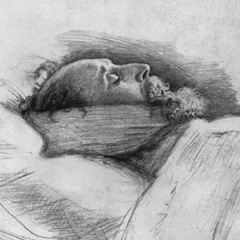
PODCAST: An audio version of an in depth article on what newly discovered documents reveal about the burial of Charles Dickens, 150 years after his death.
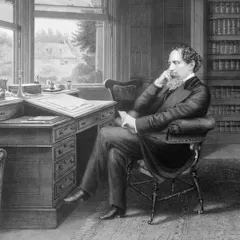
Two sequels which show how the Victorian novelist’s stories can be adapted to reflect post-colonial narratives.
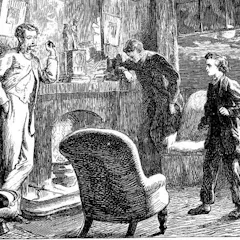
Dickens had some clever little narrative tricks, which become clear when his work is analysed as a single data set.
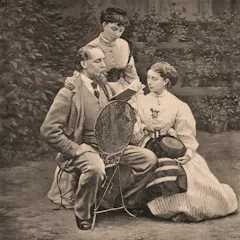
Charles Dickens’s attitude towards women was more complex than ‘misogynist’ label suggests.

Fictional, magical cities can help us understand our own urban lives.
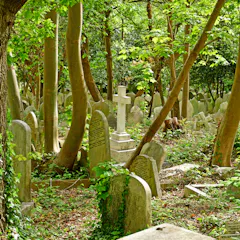
Graveyards were important locations in Victorian life.

And every one of them has a happy ending.

How two ambitious men put their own interests ahead of the great writer and his family in an act of institutionally-sanctioned bodysnatching.
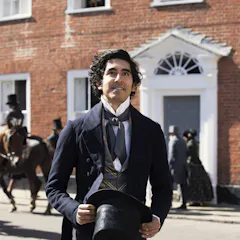
The latest version of Dickens’ classic is a refreshingly diverse tale of the triumph of the ordinary heroism over everyday evil.
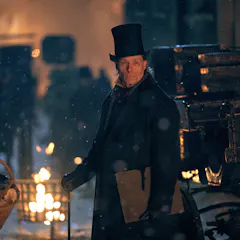
Modern viewers: Scrooge doesn’t discuss what he’s learned or ask for redemption. He swiftly negates the life he would have led, had it not been for the ghostly interventions.
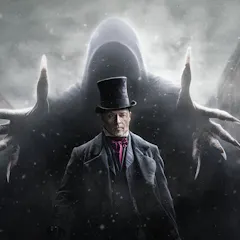
We have an innate desire to be reminded of darkness and mortality during the festive season.
Top contributors
-

Associate Professor, Queen's University Belfast
-
Lecturer in Creative Writing (Interdisciplinary Futures), University of Edinburgh
-
Leverhulme Early Career Research Fellow, Royal Holloway, University of London
-
Professor of Victorian Literature, Editorial Board Chair, Keele University
-
Professor in Modern and Contemporary Literature, Northumbria University, Newcastle
-
University Teacher, Department of Journalism Studies, University of Sheffield
-
Senior Lecturer in English Literature, University of Portsmouth
-
British Academy Global Professor, Queen's University, Ontario
-
Associate professor Music and Media, University of Gloucestershire
-
Senior Lecturer in English, Loughborough University
-
Adjunct professor, Theological Studies, Concordia University
-
Rachel Hadas is a Friend of The Conversation.
Professor of English, Rutgers University - Newark
-
Professor of English and World Literatures, University of Oxford
-
Professor of History and Provost Emeritus, Binghamton University, State University of New York
-
Senior Lecturer in English, University of Surrey