
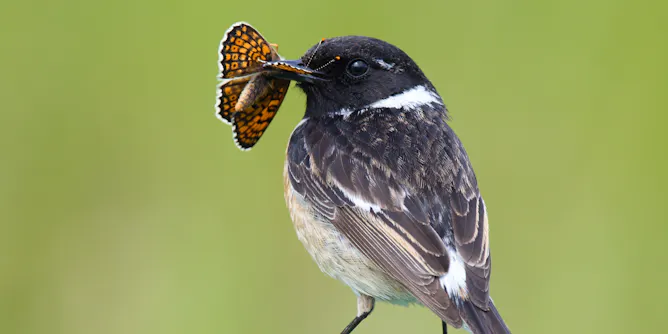
A global experiment has helped explain why some animals use stealthy patterns to hide from predators, while others use warning colours to avoid being eaten.
Articles on Camouflage
Displaying 1 - 20 of 28 articles
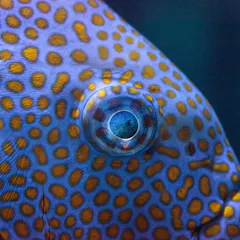
Understanding how the intricate spots and stripes, or Turing patterns, of many animals form can help scientists mimic those processes in the lab.
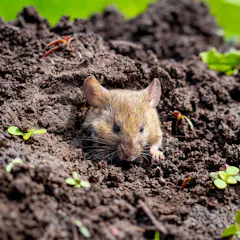
Rodents destroy around 70 million tonnes of grain each year. What if we could trick them into looking elsewhere for their food?

The scientists who discovered that a giant panda’s distinctive markings provide camouflage from predators tell us about their latest work
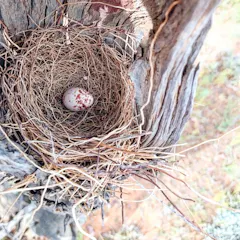
It’s still not known exactly how female birds produce such colourful and intricately-patterned eggs. But we do have some theories about the survival advantage this provides.
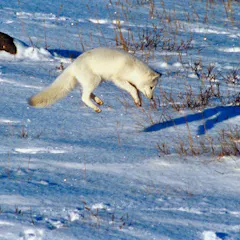
Arctic foxes have a few special talents that help them sneak up on unseen prey and pounce.

For some sand-dwelling plants, stickiness is a defense tactic that keeps predators at bay.
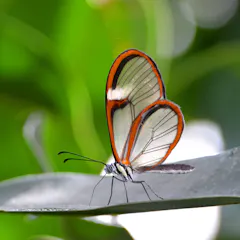
Transparency is an evolved characteristic of some species to help them survive, even when predators are staring directly at them.
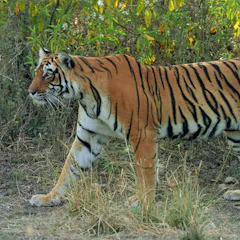
How do tigers – a top predator – successfully hunt their prey when they have bright orange fur? The secret’s in their stripes!
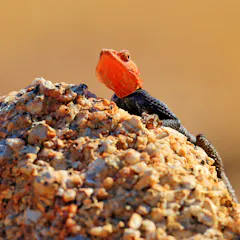
By eliminating the less fit individuals over time, predation can drive the population to increasing fitness in terms of survival and reproductive success.
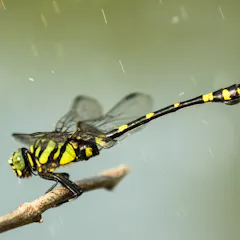
Prey species rely on camouflage and escape to avoid getting eaten. How can they make them work together?

How the zebra got its stripes is not only a just-so story, but an object of scientific inquiry. New research suggests that stripes help zebras evade biting flies and the deadly diseases they carry.
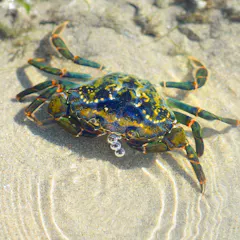
Citizen science game offered clues to why shore crabs get greener as they grow.
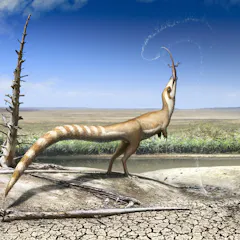
Reconstructing the colours of the feathered Sinosauropteryx gives hints about its habitat and lifestyle.
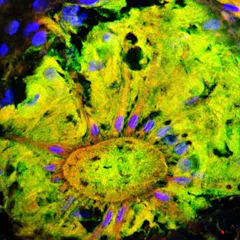
We’re used to thinking of our eyes detecting light as the foundation of our visual system. But what’s going on in other cells throughout the body that can detect light, too?
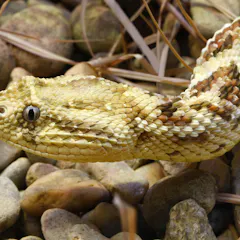
Puff adders have developed impressive techniques to avoid being detected by predators.
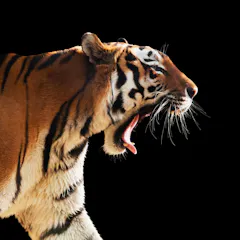
It is one of the most controversial questions in nature. Now a group of British researchers have shed light on the answer.
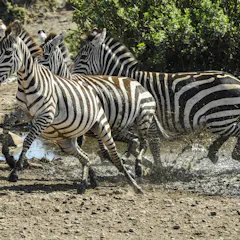
Why does the zebra have stripes? Researchers are investigating whether it is to confuse predators when they’re on the move.
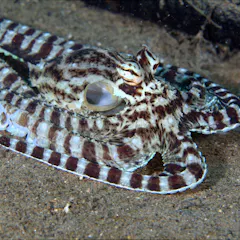
Last week, a new frog capable of shape-shifting, was discovered. Though many other animals use camouflage, there are only a few other species known which can actually shift their shape.
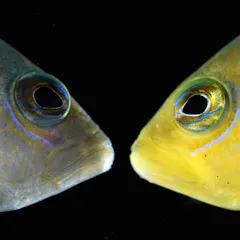
Brown or yellow, the dottyback fish has a colour for every occasion, and every habitat.
Top contributors
-

Professor, School of Biological Sciences, University of Bristol
-
Principal Lecturer in Wildlife Conservation, Nottingham Trent University
-
ARC Future Fellow, Faculty of Science, The University of Queensland
-
Professor of Biological Sciences, University of Maryland, Baltimore County
-
Research fellow, Environmental Futures Research Institute, Griffith University; Estación Biológica de Doñana (EBD-CSIC)
-
Research Fellow, University of St Andrews
-
Associate Professor, Centre for Ecology and Conservation, University of Exeter
-
Emeritus Professor, Department of Art History, University of Sydney
-
Senior Lecturer and ARC Australian Research Fellow, Zoology, The University of Melbourne
-
PhD Candidate, School of Animal, Plant and Environmental Sciences, University of the Witwatersrand
-
PhD candidate in Palaeobiology, University of Bristol
-
PhD Researcher in Marine Ecology, University of Exeter
-
Research Associate, The University of Western Australia
-
Postdoctoral Fellow in Biology, Georgia Institute of Technology
-
Professor of Psychology, University of St Andrews