
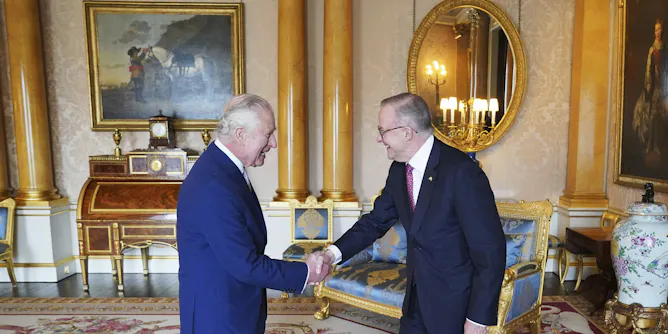
While Albanese (who lands back in Australia on budget eve) basks in the international limelight, at home Treasurer Jim Chalmers this week has been feeling the heat of the spotlight.
Articles on Australian republic
Displaying 1 - 20 of 25 articles
Michelle & Amanda Dunn 20.09
In this podcast, Michelle & Amanda Dunn discuss the $50b windfall improvement announced by Jim Chalmers, legislation for a national integrity commission, and the challenges facing a republic
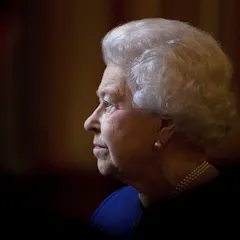
The passing of Queen Elizabeth II has the potential to transform Australia’s republic debate, but republic supporters still need to be patient.
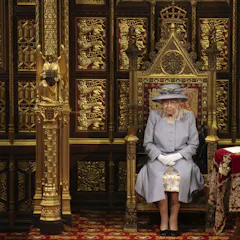
The biggest hurdle for republicans is the reality that Australia is already an independent nation. Only sentiment and inertia links us to the British crown.
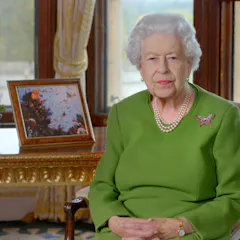
Most Australians have known no British sovereign other than the queen. Without her, questions about a republic will again come to the fore.

A new book argues no-one writing an Australian constitution today would argue for creating a head of state on the other side of the world who is hand-picked by the head of government.
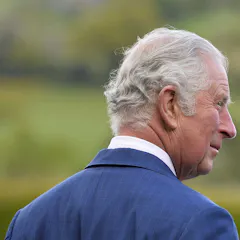
As the republic debate ramps up once more, what are the pros and cons of different models for an Australian head of state?

Republic backers need to make a huge dent in public opinion to get the progress they want. People should remember even Fergie’s ‘toe sucking’ incident didn’t bring down the monarchy in the 1990s.

A new poll shows nearly two-thirds of Australians want an Australian head of state. A new republic model, however, would require compromise to succeed.
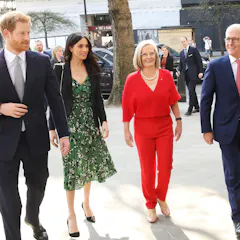
When considering this question, we need to distinguish between the pomposities of monarchies and the purpose they serve as checks on untrammelled authoritarianism.

This model for an Australian republic aims to ensure the process of a choosing a head of state is democratic, but also that the dignity of the office is maintained.
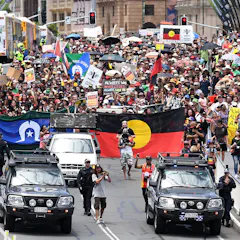
Reconciliation between the Settler and First Nations populations is a self-evident prerequisite for Australia cutting the ties of colonial dependency with Britain to stand on our own.
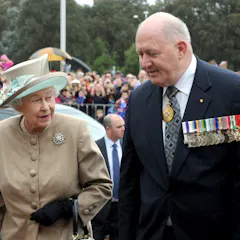
Many of the questions that would arise if Australia wants to become a republic have been successfully tackled elsewhere.
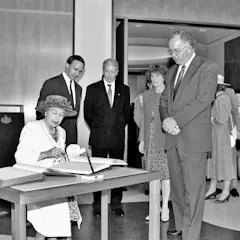
The arguments about a potential Australian republic in cabinet submissions suggest a failure of imagination and, more seriously, of trust.
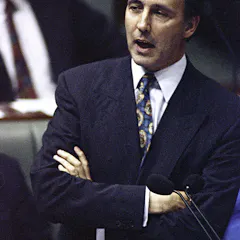
Labor’s project of economic transformation hit some harder realities as Paul Keating assumed the top job. And a new push on remaking Australia stirred a brooding reaction of its own.

By the end of 1992, Paul Keating had done more than anyone to place on the political agenda issues of national identity that had been either dead or dormant for years.
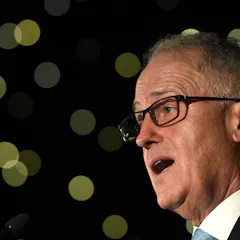
For Australians to vote in favour of a republic, it may require something more than just crossing out ‘governor-general’ in the Constitution and writing in ‘president’.
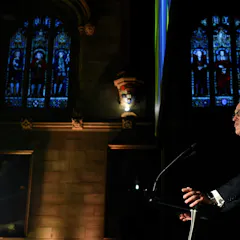
In his much-anticipated weekend speech to the Australian Republican Movement’s anniversary dinner, Malcolm Turnbull juggled the past, the present and the future.
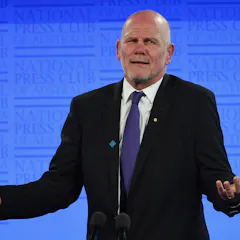
Australians should want the reality of a republic. The rest is but window-dressing.
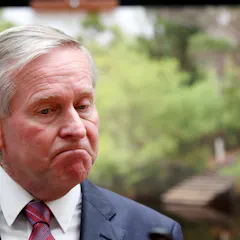
On the eve of Australia Day, the Australian Republican Movement has released a statement of support for an Australian head of state signed by all but one of the nation’s premiers and chief ministers.
Top contributors
-

Professorial Fellow, University of Canberra
-
Dennis Altman is a Friend of The Conversation.
Vice Chancellor's Fellow and Professorial Fellow, Institute for Human Security and Social Change, La Trobe University
-
Associate Professor of History, CQUniversity Australia
-
Professor of History and Politics, School of Humanities and Social Inquiry, University of Wollongong
-
Director, Vice-Chancellor's Centre of Public Ideas (CoPI) and Donald Horne Professor of History and Public Ideas, University of Canberra
-
Senior Lecturer in Law, Charles Sturt University
-
Associate Professor, Monash Business School, Director Corporate Law, Organisation and Litigation Research Group (CLOL), Monash University
-
Commissioner, Yoo-rrook Justice Commission, University of Tasmania
-
Dean Laureate and Professor of History, Victoria University
-
Professor in History, Australian National University
-
Emeritus Professor of Political Science, Australian National University
-
PhD Candidate in Government & International Relations, University of Sydney
-
ANU Law, Australian National University