
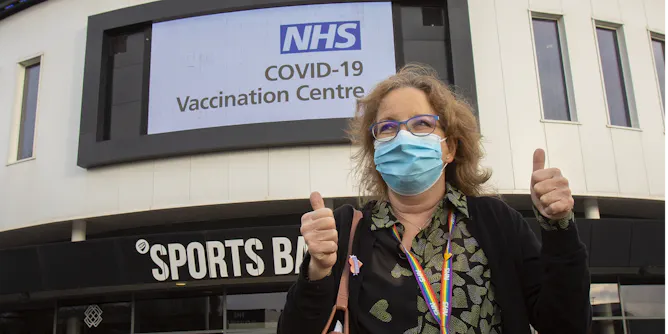
In our first weekly update on COVID vaccines, we consider how roll-out plans are being tweaked and when it’s likely we’ll start to see vaccines having an impact.
Articles on AstraZeneca vaccine
Displaying 121 - 140 of 156 articles
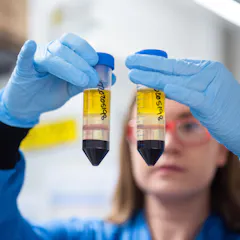
What normally takes decades has been achieved in 12 months, without cutting corners.
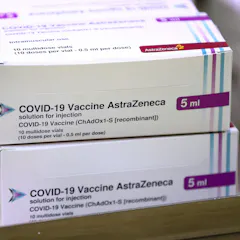
The best approach for protecting everyone’s health will require us to provide different vaccines to different people according to need and availability.
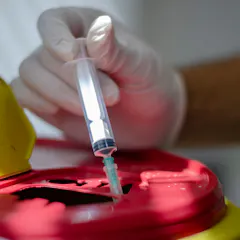
With reports emerging of vaccine wastage across the world, medical supply chain experts explain why that’s to be expected.
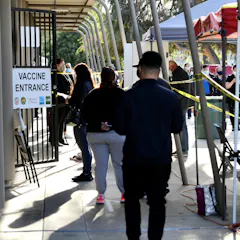
With vaccine shortages looming, experts are debating whether it is important to receive two doses or whether it’s better to give one dose to more people and give a second when the supply is better.
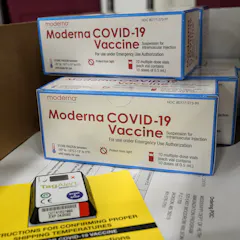
Researchers say around 70% of the US needs to get the coronavirus vaccine to stop the pandemic. But questions around the vaccines and regional differences add some uncertainty to that estimate.
More than 2.5 billion doses have been ordered worldwide of the Oxford-AstraZeneca vaccine, providing a ray of hope in the fight against the pandemic.
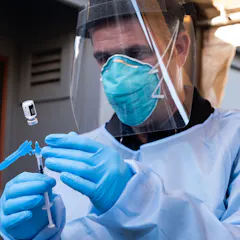
Experts from across The Conversation assess the work that’s helped us reach vaccine roll-out, how this could play out, and the risk of vaccine hesitancy.

The development of multiple vaccines against the virus that causes COVID-19 has been hailed as the breakthrough of 2020. But there were many more supporting discoveries that made this possible.
We should applaud drug companies for developing COVID-19 vaccines in record time, but let’s not be under any illusion about the profits that are motivating them.
The reason the vaccine appears to have worked better in participants who initially received only half a dose is still somewhat of a mystery.
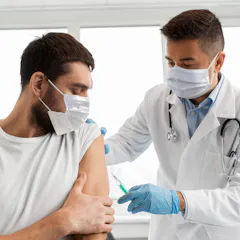
We need more data on the low-dose, high-dose regimen used in one arm of the trial, which may make the vaccine more effective.
The vaccines that will first be used to prevent the spread of COVID-19 will have gone through a special approval process with the FDA. but just what is this expedited process?
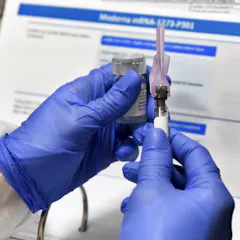
With COVID-19 vaccine announcements making headlines, non-scientists need to know what clinical trial results mean. Here are some key points to look for in vaccine trial reports.
There is now a third vaccine that prevents COVID-19 infections. It isn’t quite as effective as the other two vaccines but it has advantages that may make it the frontrunner.

Amid good news on the vaccine trial-front, Australia must think more carefully about how a national roll-out would work.
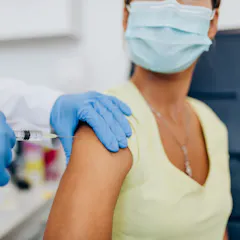
Data coming through from phase 3 trials are encouraging. But participants don’t represent the whole community — so we can’t be sure these vaccines will work as well in everyone.
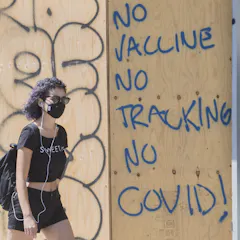
COVID-19 vaccines are at risk of being undermined by vaccine hesitancy. Pharma must take steps to ensure transparency in data monitoring committees and trial data to build public trust in vaccines.
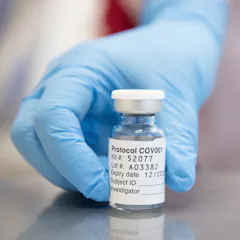
What does this announcement mean for the world? It’s potentially huge.

Early data shows that vaccines work for older people who are more at risk of severe COVID-19.
Top contributors
-

Professorial Fellow, University of Canberra
-
Senior Research Fellow in Global Health, University of Southampton
-
Vice-Chancellor's Research Fellow, School of Health and Biomedical Sciences, RMIT University
-
Professor of Medicine, University of East Anglia
-
Professor of Health Service Operations, School of Pharmacy & Medical Sciences, University of Bradford
-
Professor, School of Biomedical Sciences and Pharmacy, University of Newcastle
-
Professor, The Children's Hospital at Westmead Clinical School and Sydney Infectious Diseases Institute, University of Sydney
-
Deputy Director of the HUMLOG (Humanitarian Logistics and Supply Chain Management Research) Institute, Hanken School of Economics
-
Distinguished Professor, Professor of Immunology, RMIT University
-
General Practitioner, PhD Candidate, Bond University
-
Professor of Immunology, RMIT University
-
Chair in Epidemiology, Deakin University
-
Principal Lecturer, Microbiology and Biomedical Science Practice, Fellow of the Institute of Biomedical Science, University of Brighton
-
Professor of Intellectual Property Law, Queen Mary University of London
-
Postdoctoral Research Fellow, RMIT University