
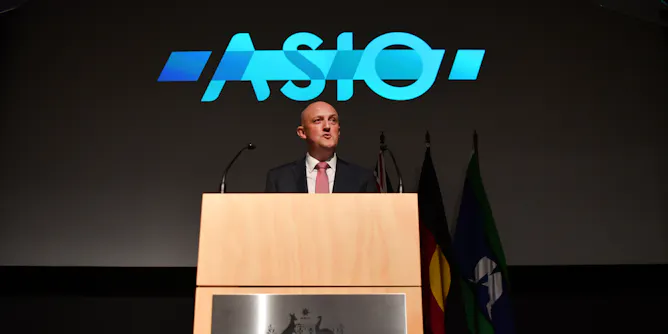
ASIO is changing the language it uses to describe violent threats, because it says the current labels, such as “left”, “right” and “Islamic” are no longer fit for purpose.“
Articles on ASIO
Displaying 41 - 60 of 105 articles
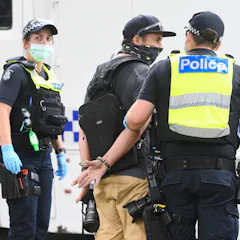
There is a deep and widening gulf in trust and communications between the agencies and the media that has clearly boiled over in ways that damage both institutions.
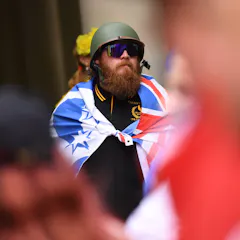
The time has come to deal with hateful extremism before it manifests as violent extremism. This includes having a public register of hate incidents.

Amid increasingly sophisticated ploys online, it can be difficult to tell the difference between innocent social networking and a national security offence.
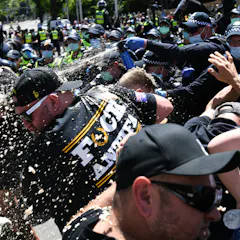
New far-right groups have emerged during the pandemic and existing groups have become more radicalised and increased their memberships.
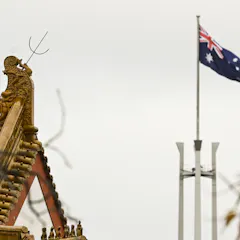
A raid undertaken by ASIO and AFP of two Chinese journalists in June as come to light.
Some changes in the new security bill submitted to parliament last week are welcome, but others require careful scrutiny, especially when the rights of children are at stake.
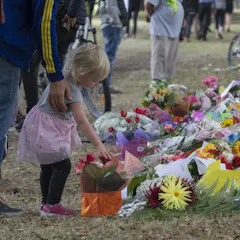
My assessment is that there are about 150 to 300 core right-wing activists in New Zealand. This might sound modest – but proportionate to population, it’s similar to extremist numbers in Germany.
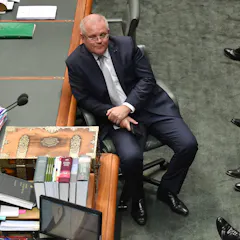
Michelle Grattan about the week in politics, including the implementation of an emergency plan to tackle the spread of coronavirus, climate change policy, national security and Bettina Arndt
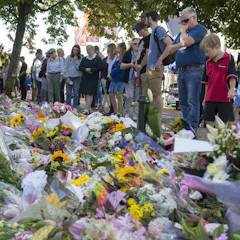
In the wake of last year’s Christchurch mosque attacks, New Zealand’s intelligence agencies must become more transparent in their reporting on the risk of right-wing terrorism.
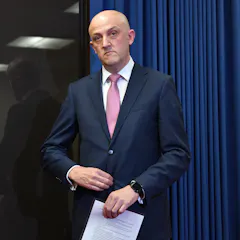
Mike Burgess, the head of ASIO, warns there are more foreign agents operating in Australia than at the height of the cold war - and many of them have the capability, intent, and persistence to cause significant harm.
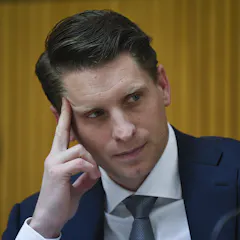
Politics with Michelle Grattan: Andrew Hastie on foreign influence, security and veteran mental health
In this podcast, Andrew Hastie speaks with Michelle Grattan about growing concerns over Chinese influence in Australian politics, security clearances for politicians and the mental health of veterans.
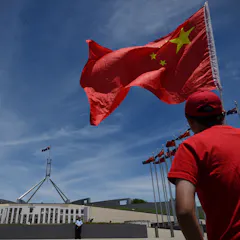
By (very unusually) confirming the investigation, ASIO boss Mike Burgess gives credibility to the Nine story that made the claim.
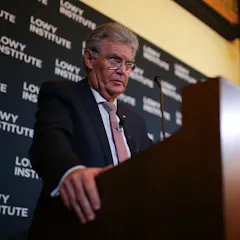
In an address to the Lowy Institute, outgoing ASIO head Duncan Lewis warned that “the scale and scope of foreign intelligence activity against Australian interests is unprecedented”.
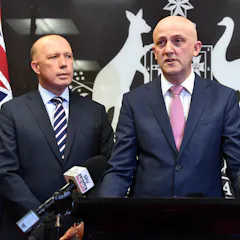
Mike Burgess, previously head of the Australian Signals Directorate, has a solid history in the intelligence area and Labor has welcomed the choice.
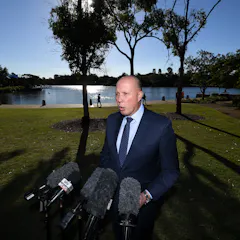
Australians should be concerned about any shift to an intelligence model that is based on the introduction of greater powers on the one hand, and less oversight and governance on the other.
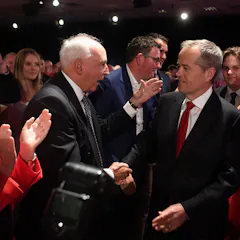
On primary votes, the ALP dropped a point to 36%, while the Coalition was static on 38%, from the last Newspoll a week ago.
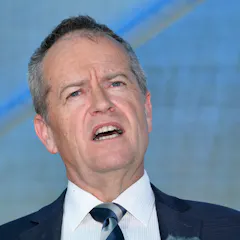
With polling showing Labor is vulnerable on security issues, the opposition leader has the difficult task of distinguishing his party from the government while not being wedged from the right.

Intelligence agencies must be incorruptible and ‘speak truth to power’ to be of any benefit to policymakers and the communities they serve.
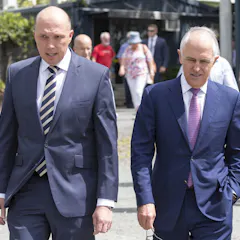
The recent creation of the Home Affairs super portfolio has added another four agencies to the national intelligence community. Here’s how they work together.
Top contributors
-

Professorial Fellow, University of Canberra
-
Research Fellow, Griffith University
-
Chair in Global Islamic Politics, Alfred Deakin Institute for Citizenship and Globalisation, Deakin University
-
Professor, Strategic and Defence Studies Centre, Australian National University
-
Senior Lecturer in Politics and International Relations, University of Notre Dame Australia
-
Associate Professor, Griffith Criminology Institute, Griffith University
-
Postdoctoral research fellow, terrorism and security, Victoria University
-
Research Fellow, Deakin Institute for Citizenship and Globalisation, Deakin University
-
Associate Professor (Law), Southern Cross University
-
Lecturer in History, College of Arts, Victoria University
-
Lecturer in Intelligence Studies, Macquarie University
-
Deputy Directory (Research Development), Deakin Institute for Citizenship and Globalisation & Research Professor of Political Science and International Relations, Deakin University
-
Associate Professor, International Politics, Adelaide University
-
Associate Professor, School of Law, University of Canberra
-
Emeritus Professor in Law and Criminal Justice, Adelaide University