

Saying ‘sorry’ to someone in authority evokes more guilt and shame in your first language.
Articles on Apology
Displaying 1 - 20 of 21 articles

In his new book, psychologist Chris Moore challenges popular assumptions about guilt and explains why this uncomfortable feeling may be one of our most useful.

Sorry really can be the hardest word.

From the 19th to 20th century, Native children were physically removed from their homes and put into boarding schools. A scholar asks if that was genocide.

The Canadian Medical Association’s apology for harms to Indigenous Peoples is an opportunity to reflect on the gap between apologies and the work of true repair necessary for reconciliation.

A well-intended, expertly delivered apology can help rebuild trust, while a bad one can often make things worse.

Apologies can easily go awry if they’re not made in a certain way.

Even incomplete or insincere apologies have restorative value.

A historian of the residential schools explains how religion played a key role in assimilationist systems for Indigenous children in Canada and the United States.

Whether this apology has truly advanced the goal of healing may become evident only in years and decades to come.

Our analysis revealed the relative attention our news and opinion pieces gave to First Nations peoples began to grow steadily from around 2005, with a huge peak in 2007.
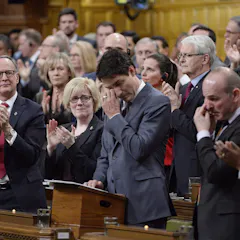
The Expungement Act was a centrepiece of the federal government’s apology to LGBTQ2 Canadians. But figures indicate only nine people have successfully had their convictions cleared.
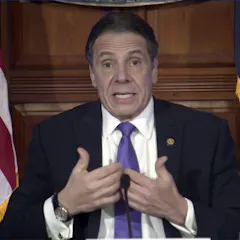
Cuomo used language that people forced to apologize often deploy to avoid taking responsibility and show genuine contrition. An expert on public apologies suggests three don'ts and a do.

US Rep. Marjorie Taylor Greene of Georgia may have expressed regrets over controversial comments and social media postings. But not to the public, and not in a way that would mitigate harm.

A hundred years ago, peaceful Indian protesters were massacred under British colonial rule. A scholar argues why a formal apology is overdue.
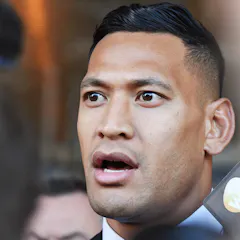
Sometimes aggrieved parties simply want an apology, and this would be an important provision under the draft legislation.

Organizations try to hide mistakes and evade responsibility, studies show. But two scholars analyzing militant and terrorist groups say they are willing to acknowledge their mistakes – sometimes.

Forgiveness isn’t about minimising or forgetting the pain we feel. It’s about letting go of our feelings of resentment and revenge.
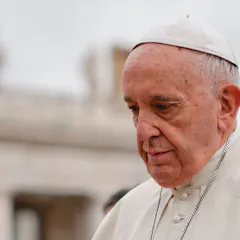
Popes are not infallible, yet apologies are rare.

The role of universities in the shameful Indian residential school system needs to be addressed. The president of one of Canada’s leading universities explains why it’s time to apologize.
Top contributors
-

Benjamin Waite Professor of the English Language, Wesleyan University
-
Distinguished Professor of Political Science and the Tagore Chair in Indian Cultures and Civilizations, Indiana University
-
Professor of Comparative Literature, Washington University in St. Louis
-
Associate Professor of Government, Wesleyan University
-
Professor of American Studies, University of Minnesota
-
Senior Lecturer, The University of Western Australia
-
Professor, Edith Cowan University
-
Associate Head of School (Research), UniSQ School of Business, University of Southern Queensland
-
Associate Professor in Marketing, Griffith University
-
Adjunct Associate Professor of History, Queen's University, Ontario
-
Professor, Department of Human Centred Computing, Monash University
-
Professor of Religious Studies, College of the Holy Cross
-
Adjunct Professor, Monash University
-
Professor
-
University of British Columbia