
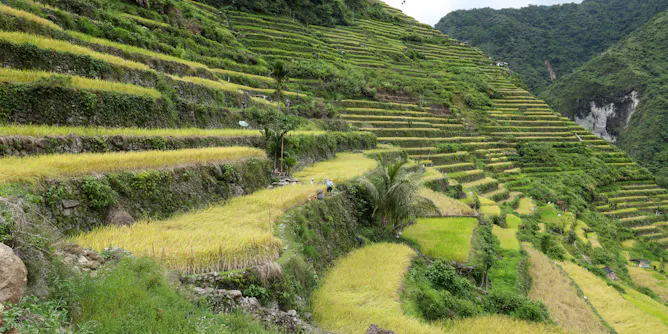
As climate extremes intensify, adaptation debates favor new technologies. Terraces in the Philippines and Morocco show how people modified their landscapes to respond to past climate shifts.
Articles on Agricultural land
Displaying all articles

Kumasi was once considered among west Africa’s greenest cities.
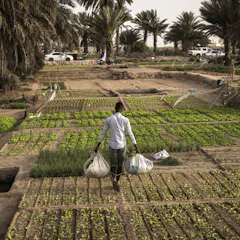
Young urban farmers in Khayelitsha are nurturing connections, creating economic opportunities, and promoting environmental conservation.

Organic soils, one of the pillars of Québec’s food self-sufficiency, could disappear within 50 years. Fortunately, the application of straw or wood chips could regenerate these soils.

A new report challenges the notion that repairing our continent is a task too big and expensive to tackle.
Kenya’s irrigation development is more advanced than official records show because they exclude what some farmers are doing.

Farm consolidation, increasing land concentration and expanding investor ownership of farmland is leading to growing land inequality in the Canadian Prairies.

Seventy-two per cent of native bumblebee species in North America are cutting their winter hibernation short by timing their emergence to earlier spring onsets.

Growing fresh produce on the outskirts of a city reduces food miles and increases food security. But the foodbowls next to our our big cities are fast losing their land to urban growth.
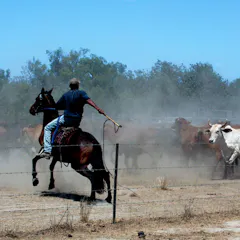
The agricultural workforce is changing but a worryingly unsophisticated understanding of workforce diversity lingers in the sector – especially in terms of Indigenous involvement in agriculture.
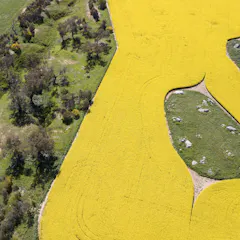
Despite the many jobs on offer, agriculture courses are struggling to attract students. A visionary curriculum is needed that is as exciting, diverse and challenging as the sector itself is becoming.
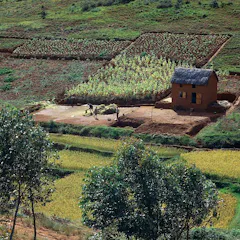
Agricultural investments could play a role in reducing poverty and improving food security.
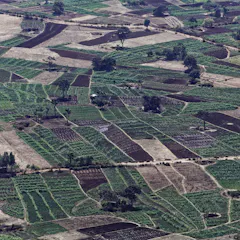
Countries like Ethiopia have propelled economic growth by prioritising agriculture and new technologies to boost the sector.

As luxury housing developments swallow up agricultural land, they also diminish our food security and health.
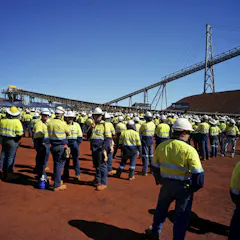
A culture of male dominance in rural Australia is a key explainer for the high rate of sexual harassment in rural workplaces.

From wine to cheese, geographical origin has long been used as a mark of quality in selling a wide array of agricultural products. How do we protect it?
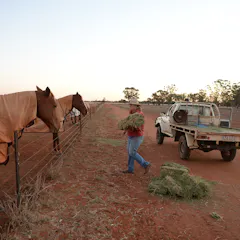
Katter’s Australian Party federal MP Bob Katter said 30% of the Northern Territory’s farmland and 22% of Tasmania’s farmland is foreign-owned. Is that true?
Top contributors
-

Economiste à l'INRA, AgroParisTech – Université Paris-Saclay
-
Research Director, The University of Western Australia
-
Adjunct Research Fellow, University of the Sunshine Coast
-
Senior Lecturer, Business School, University of New England
-
Associate Professor, Thompson Rivers University
-
Research Professor of Agriculture, Charles Sturt University
-
Professor of Agricultural Engineering, Jomo Kenyatta University of Agriculture and Technology
-
Professor of Environmental Management, The University of Queensland
-
Professor and Dean, Faculty of Science, University of Sydney
-
Professor, Fenner School of Environment & Society, Australian National University
-
Professor of Planning and Director of Urban Transformations Research Centre, Western Sydney University
-
Associate Dean (Education), Professor of Biology and Educational Strategy, University of Sydney
-
Associate Professor in Soil Science, University of Sydney
-
Lecturer, University of Pretoria
-
Professor in Human Geography, University of Sydney