
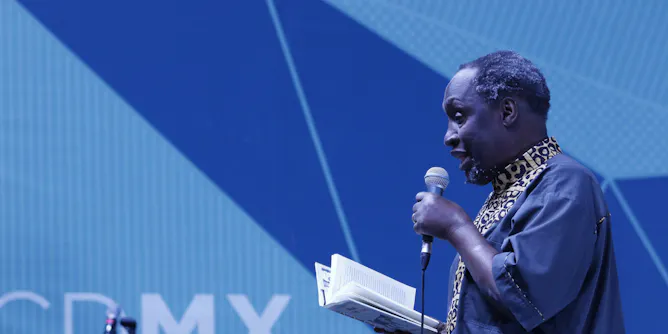
No African writer has as many major, lasting creative achievements in such a wide range of genres as Ngũgĩ wa Thiong’o.
Articles on African theatre
Displaying all articles
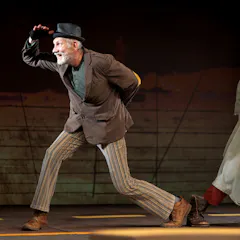
A certain amount of political baggage had to be shaken off before such a feat could be realised – not just in the right words, but in the right spirit.
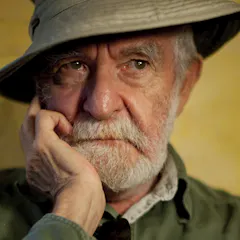
His characters – tramps, discarded people, poor people, people on the fringes – are connected with all the people we know of today who are refugees.
The award-winning South African playwright has written a masterful short story about a woman having to play a challenging theatre role.

Germaine Acogny has risen as a female artist who has defied stereotypes to become one of the world’s most revered dance makers.
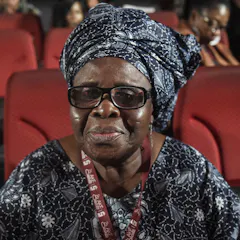
A commanding presence on the global literary stage, Ama Ata Aidoo was a powerful feminist voice with a prolific output.
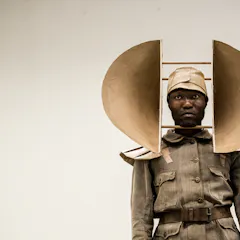
The Head & The Load finally reaches Johannesburg after delays caused by the COVID pandemic.
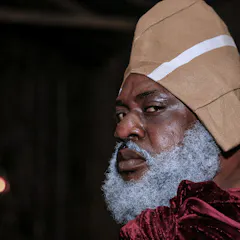
Elesin Oba, The King’s Horseman, is a film of a play by author and activist Wole Soyinka. It premieres at the Toronto International Film Festival.
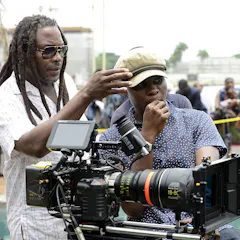
From Blood Sisters to Half of a Yellow Sun, he was loved for his TV series and films as well as his novel Burma Boy.
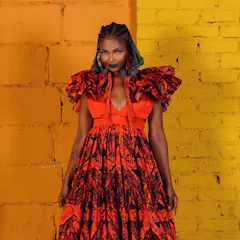
Moya is a show that seeks a spiritual awakening, especially after the trauma and isolation of the COVID-19 pandemic.
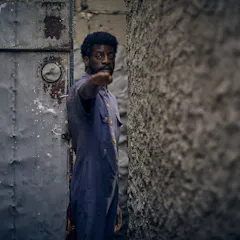
Durban’s Jomba! festival is now 100% online and free, and there has been a move from stage art to screen dance.
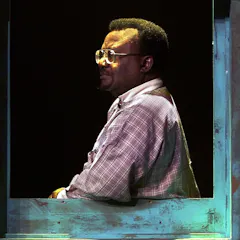
The renowned playwright saw theatre as a link to the wider community - and ultimately our common humanity.
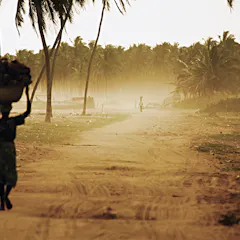
Theatre is able to create a space for discussion about how and why women experience physical and emotional violence.
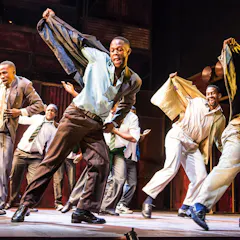
The independent theatre will be a monument to how a failed department of arts and culture could not match state support with public philanthropy.
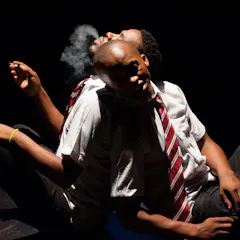
With the community, the group of theatre-makers and academics created a play that could also serve as a policy brief on what’s missing from the battle to reduce drug use in Durban.
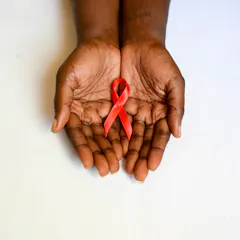
As it toured schools, the play Talk to Me, about two friends and HIV, was able to create brave and safe spaces for conversation about a challenging subject.

Is there value in reviving Western classics in post-colonial (South) Africa? Is this not perpetuating Western cultural imperialism?
Top contributors
-

Lecturer, University of KwaZulu-Natal
-
Head of Department of Theatre and Performance and PhD candidate, University of the Witwatersrand
-
PhD candidate, University of Glasgow
-
Assistant Deputy Vice Chancellor 2, Fourah Bay College, University of Sierra Leone
-
Senior Research Fellow, Institute for Humanities in Africa, University of Cape Town
-
Senior Researcher in Educational Sociology at the Environmental Learning Research Centre, Rhodes University
-
Lecturer, University of Nigeria
-
University of KwaZulu-Natal
-
Lecturer in Musicology, University of South Africa
-
Global Challenges Research Fellow, University of Sheffield
-
Researcher and Assistant Lecturer, University of Regina
-
Full Professor/CRC in Socially Engaged Theatre; Director, C-SET, University of Regina
-
Associate Professor of English and Liberal Studies, Winston-Salem State University
-
Honorary Research Associate, Department of English, University of Cape Town
-
Emeritus Professor of Literature, The Open University