

Despite the way they’re portrayed online, ADHD drugs are not ‘benign’ study aids.
Articles on ADHD drugs
Displaying 1 - 20 of 22 articles

Increasing access to ADHD diagnosis and medication is a good move. But it shouldn’t be the whole plan to address a condition affecting thousands in New Zealand.

Four in five children with ADHD are prescribed medication. The most common side-effect is lack of appetite and weight loss. Here’s how parents can manage this.

In a sample of people who regularly use ecstasy and other illicit stimulants, 54% reported using pharmaceutical stimulants without a prescription in the previous six months.

Many Australians with ADHD are having trouble accessing their usual medication. This can create difficulties for people who have previously been managing their symptoms well.

Most people stop taking ADHD medication within two years of starting it. The hope is that they’ve developed successful strategies to manage the condition in that time.

Drugs for menopause, ADHD and type 2 diabetes were all in short supply this year.

An increase in global demand for ADHD drugs is one reason for ongoing shortages.

Stimulants are first-line drugs for attention-deficit hyperactivity disorder. But how do they actually work?

A limited number of specialists are able to diagnose and treat ADHD, making it difficult to even start the process of getting diagnosed. Should GPs play a greater role?

The COVID-19 pandemic may have played a considerable role in the uptick of adults being treated for ADHD. But more data is needed to determine whether the trends will continue.

Stimulants such as Ritalin and modafinil have a reputation as off-label ‘smart drugs’ that boost cognitive performance. New research suggests they have the opposite effect.

For those who need it, Adderall and other stimulants can be game-changing medications that help restore the chemical imbalances underlying ADHD. But for those who don’t, these drugs can be harmful.

This is a transcript of The Conversation Weekly podcast episode published on May 12 2022.

ADHD diagnoses are on the rise, a trend that might in part be driven by overdiagnosis. A new study finds that white children are especially likely to be overdiagnosed and overtreated for ADHD.

Although medication and therapy can be effective treatments for ADHD, they’re not the only way to manage the disorder or its symptoms. Creating a daily routine is critical too.
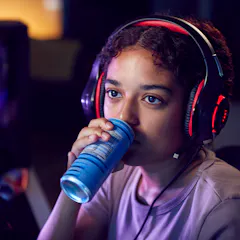
Energy drinks and coffee both contain lots of caffeine. That’s a problem for teens, especially those who take prescription stimulants.

People with ADHD can struggle with day-to-day things other people find easy, with little understanding and acknowledgement from others.

It’s quite OK to leave medication as a last resort — but it can be a very useful last resort.

How do you know if your child’s behaviour is normal or a sign of ADHD? The answer is not so clear cut. And now we have the evidence to show the consequences.
Top contributors
-

Senior Lecturer, Brain Mind Centre Nepean, University of Sydney
-
Professor of Health Service Operations, School of Pharmacy & Medical Sciences, University of Bradford
-
Associate Professor in Pharmacy Practice, University of Bradford
-
Financial Markets Foundation Chair of Developmental Mental Health, The University of Melbourne
-
Professor in Health History, University of Strathclyde
-
Professor and Clinical Psychologist, Michael Crouch Chair in Child and Youth Mental Health, University of Sydney
-
Adjunct Research Fellow, Curtin University
-
Postdoctoral research fellow, University of Sydney
-
Professor of Clinical Epidemiology, Sydney School of Public Health, University of Sydney
-
Professor of Psychiatry and Behavioral Sciences, School of Medicine, University of Washington
-
Associate Professor, Bond University
-
Associate Professor of Health and Wellness Studies, Binghamton University, State University of New York
-
Research Lead/Advanced Clinical Practitioner/Senior Research Fellow, University of Bradford
-
Professor of Psychology, University of Richmond
-
Assistant Clinical Professor of Psychiatry, University of Colorado Anschutz