

Efforts to tackle the climate crisis – both in Australia and globally – are much bigger than one man. Here are ten reasons to remain hopeful.
- Research Associate, Institute for Climate Risk and Response, UNSW
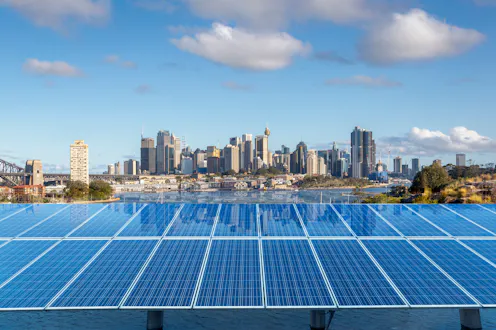
Australia and the Pacific are now tipped to be hosts of the 2026 global climate talks. That brings opportunity – and scrutiny.
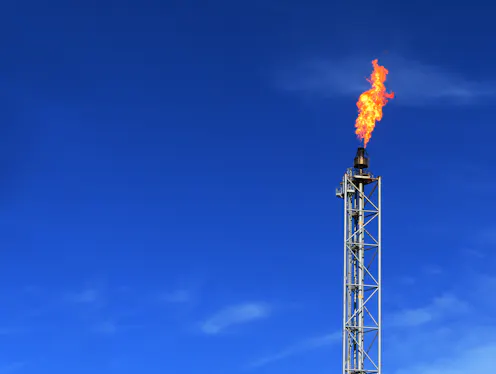
Japan is splashing cash for Australian gas to keep fossil fuels flowing under its net zero plan for South East Asia . But this undercuts Australia’s green export vision

Weakening climate ambition as China strengthens its climate targets would undercut Australia’s strategy in our Pacific region.

Without Japanese public funding, Australia’s LNG boom would have slowed

Without urgent action, Earth is heading for climate catastrophe. Yet there are reasons for hope in 2024 – including a possible peak in global greenhouse gas emissions.
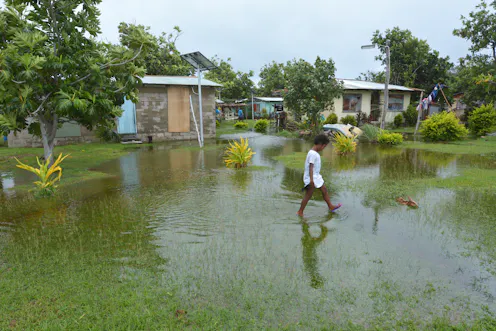
As Climate Change and Energy Minister Chris Bowen lands in Dubai for COP28, Australia has announced an extra A$150 in climate finance with a focus on the Pacific region.

In 1997, John Howard chose expansion of Australian fossil fuels over Pacific concerns about climate change. Will Albanese finally mend the rift?

The enhanced partnership could accelerate Australia’s transition from fossil fuel exporter to clean energy powerhouse. But success is far from assured.

Labor has signalled Australia is back on climate change. If so, why aren’t we telling the world?

Labor must resist the false promise of carbon offsets in its safeguard mechanism. The only thing that matters is actually cutting emissions

Has climate action bogged down? Hardly. Nations are redoubling their efforts in visible and less visible ways.

Hosting the world’s climate negotiations could be a very big deal. But the government will need to show Australia has changed by bringing more to the table, and taking coal and gas off the menu.
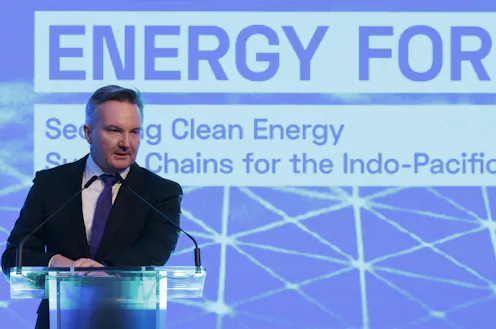
COP27 is Australia’s chance to join the global climate effort, but we’ll need to bring more to the table to be taken seriously.
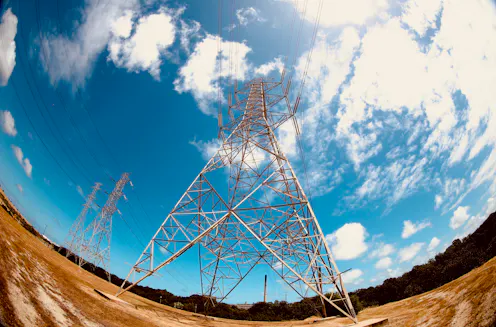
Australia last week moved to tackle the climate crisis when federal parliament passed Labor’s climate bill. But the new law is just the first step.

For Pacific Islands, climate change trumps all other threats to their security. While they welcome Australia’s new emission targets, this is an issue of survival that demands greater ambition.

While Australia worries about Chinese influence, Pacific nations are more worried about climate change. By boosting climate ambition, Australia could be the region’s security partner of choice.

Managing the transition to a net-zero emissions economy must be a priority task for the next government. Our strategic and economic success depends on it.

The proposal is likely to mean economic and diplomatic costs for Australia, and should ring alarm bells in Canberra.

Labor’s 2030 emission reduction target of 43% is more ambitious than the Coalition, but still falls well below what the science says is needed.
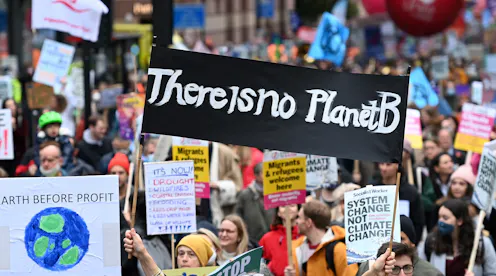
A new climate projection found Glasgow pledges leave the world off-track for limiting warming to 1.5°C. What needs to happen in the final days of frantic COP26 negotiations to close the ambition gap?

Week one in Glasgow has delivered more climate action than the world promised in Paris six years ago. But progress still falls well short of what’s required to limit warming to 1.5°C.

Pacific island nations have shaped the international response to climate change. At the United Nations summit in Glasgow, they’ll draw a line in the sand.
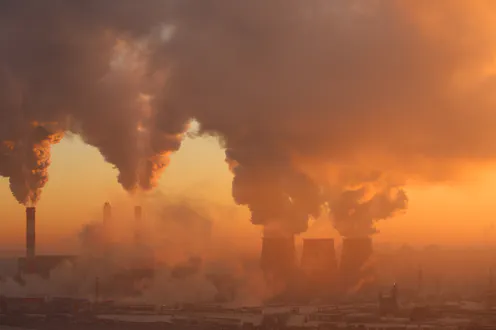
The United Nations climate summit in Glasgow next month is the first real test of whether the world can limit global warming below catastrophic levels.
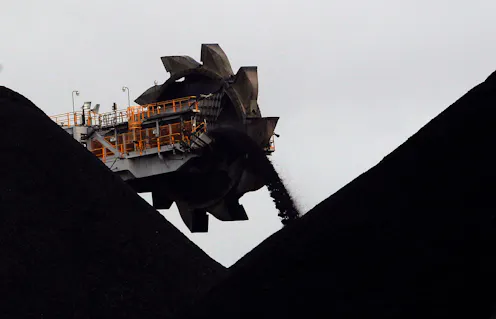
As Australia looks to expand the coal industry at home, it’s also ramping up regional diplomacy aimed at avoiding condemnation by those at the front line of climate change.
Contact Wesley for
- General
- Media request
- Speaking request
- Consulting / Advising
- Research collaboration
- Research supervision
