
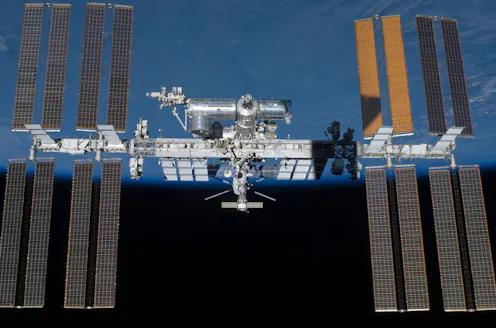
Humans have been living on the International Space Station for two full decades. So what comes next for this ailing technology, and what does it mean for future International ventures in space?
- Professor of Strategy and Security Studies, Air University

A new country launches a mission to Mars. A space expert explains what this means for the Middle East and the African continent.
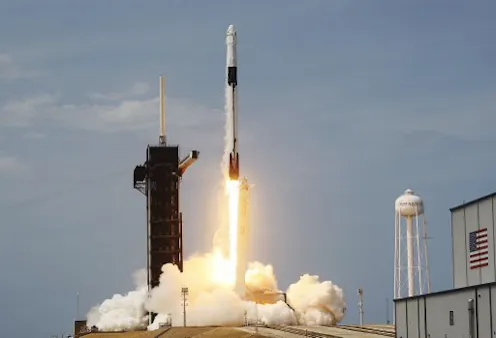
Le lancement d’astronautes vers la Station Spatiale Internationale fait de SpaceX la première entreprise privée à envoyer des humains dans l’espace.
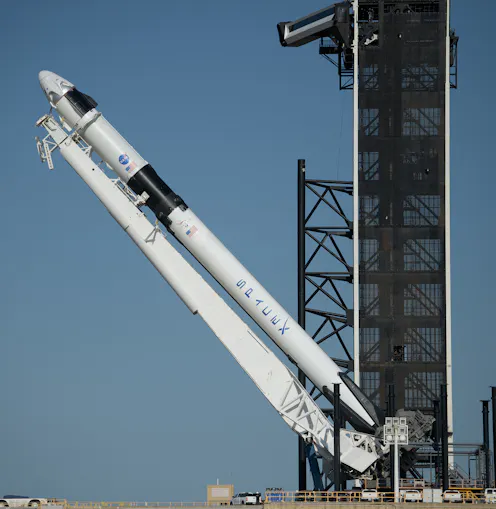
SpaceX’s launch of astronauts to the International Space Station will make it the first private company to launch humans to space. The effort has ramifications for NASA and spaceflight in general.
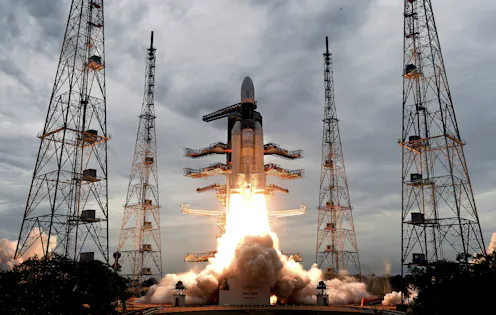
Are India and China engaged in a new space race? India’s increasingly ambitious space ventures, including its Chandrayaan-2 lunar mission, are evidence of the country’s interest in space exploration.

NASA has made significant steps in making explicit appeals to women to support space exploration, but it might not be doing enough to gather needed political support.

SpaceX’s advances in space technology have reduced barriers to space and changed the direction of American space policy, but it is not without its challenges.
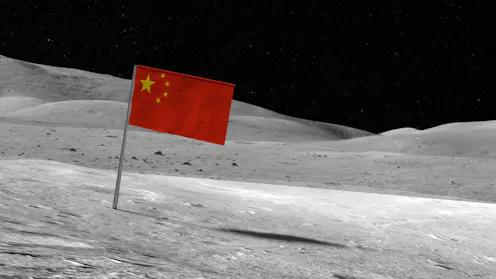
China just became the first country to land a probe on the far side of the moon. It’s a technological achievement and another sign of China’s capabilities and ambitions in space.

George H.W. Bush’s achievements in space are often overlooked but have significantly contributed to America’s current space program.
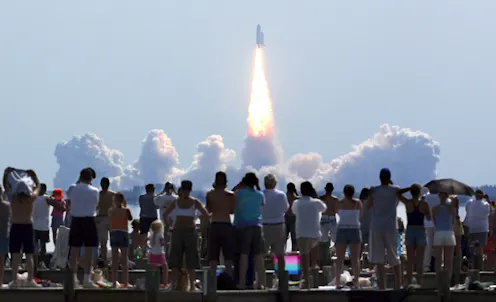
The United States already has a space agency: NASA. So why do we need a Space Force, and what would it do? Could a Space Force strain diplomatic relationships, reigniting the race to militarize space?
Contact Wendy for
- General
- Media request
- Speaking request
- Consulting / Advising
- Research collaboration
- Research supervision
- Location: Montgomery, Alabama, U.S.
- Website
- X (formerly Twitter): @DrWhitmanCobb
- Article Feed
-
- Joined
