
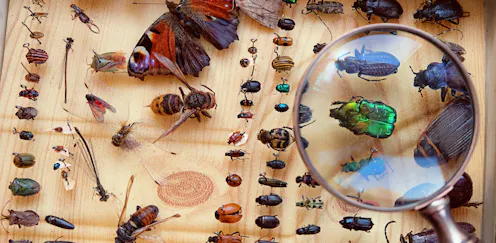
Bumi kita penuh dengan kehidupan, tapi sesungguhnya kita tidak tahu ada berapa banyak spesies hidup di dalamnya.
- Associate Professor in Entomology, University of Sydney
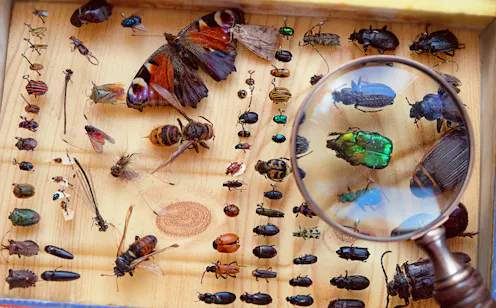
New species are being discovered all the time, which only adds to the problem of knowing how many there are on the planet today. It also helps to know what we mean by species.

Maria Sibylla Merian’s meticulous observations laid the groundwork for the fields of entomology, animal behaviour and ecology. But the legacy of this scientific superhero has been sidelined by sexism.
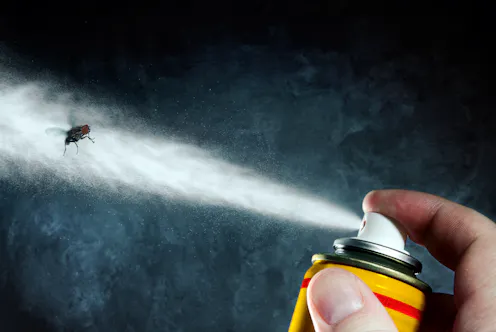
It’s easy to whip out the fly spray, but our fondness for pesticides can bring knock-on effects such as increased resistance, and harming beneficial insects in and around our homes.
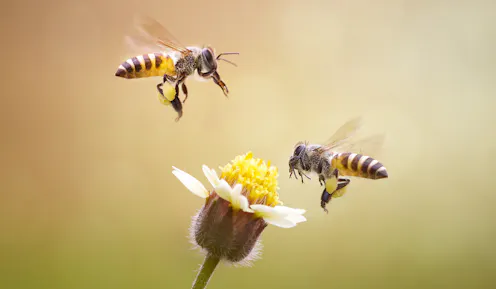
Bees need flowers to live, and we need bees to pollinate our crops. Understanding bee vision can help us better support our buzzy friends and the critical pollination services they provide.
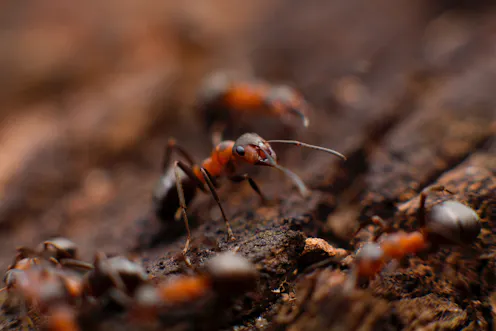
Ants have something similar to blood, but it’s called haemolymph. Some insects use it in unusual ways. When threatened by a predator, blister beetles can squirt haemolymph from their knees.
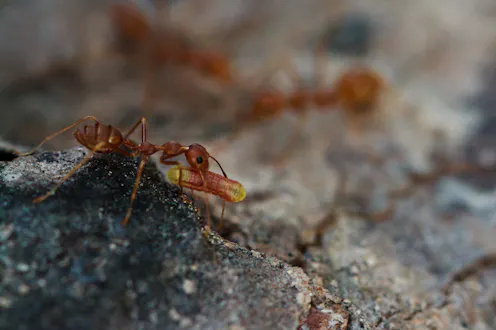
Hydrogen peroxide is a chemical that can kill germs. It is found in two things many ants love to eat: nectar and honey dew.
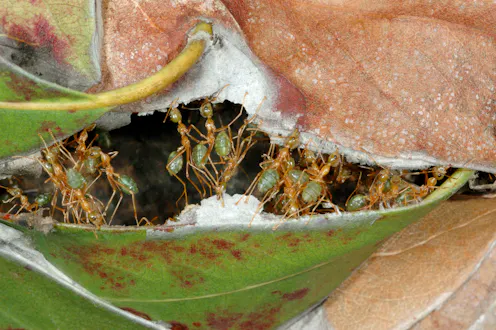
Ants have many tricks to deal with rain – like holding their breath, blocking nest entrances or drinking excess water and releasing it elsewhere by ‘communal peeing.’ But can they see rain coming?
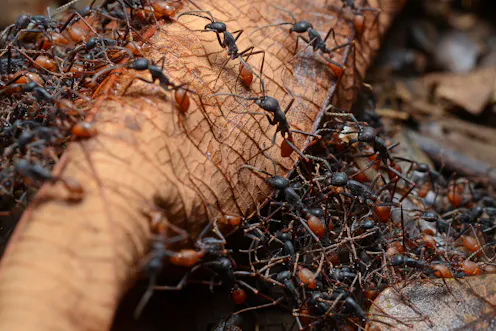
Insects aren’t known for having big brains, and slime moulds and fungi don’t have any. So how do they solve challenges that test the ingenuity of human transport engineers?
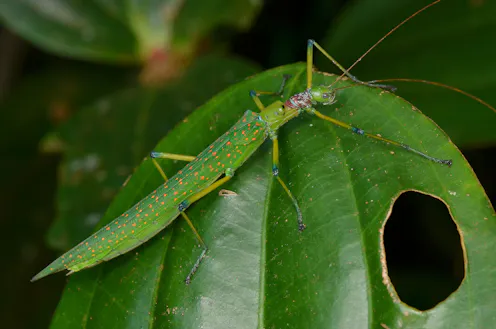
In this age of the pseudo-factual, its more important than ever to acquaint ourselves with the foundations of the scientific tradition, such as Darwin’s Origin of Species.

Since the 1960s, environmentalism in Australia has largely focused on defending “wilderness”. However, protected areas in themselves are not stemming the destruction of biodiversity.
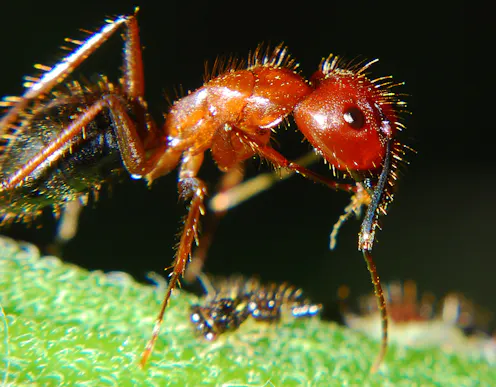
When disaster strikes, search and rescue robots could save lives by finding and retrieving people buried under rubble. But designing robots that can descend rapidly through unstable and uneven rubble has…
Contact Tanya for
- General
- Media request
- Speaking request
- Consulting / Advising
- Research collaboration
- Research supervision
- Location: Sydney, Australia
- Website
- X (formerly Twitter): @TanyaLatty
- Article Feed
-
- Joined
