
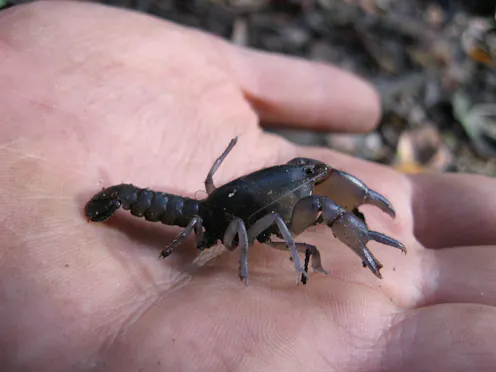
Burrowing crayfish are a particular challenge to survey and to conserve because they live underground, and their ability to disperse is extremely limited. Sometimes this means that impacts on their habitat…
- Associate Professor, Department of Ecology, Environment and Evolution, La Trobe University
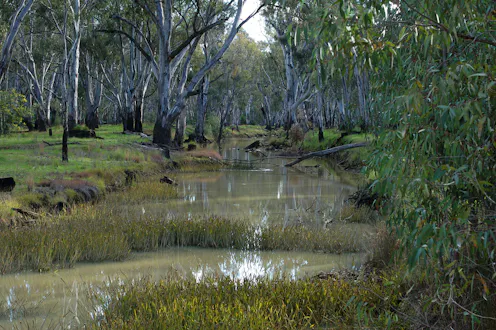
The Murray River was listed as critically endangered on August 5, the day before the Australian federal government went into caretaker mode before the election campaign. The Weekly Times claimed that this…
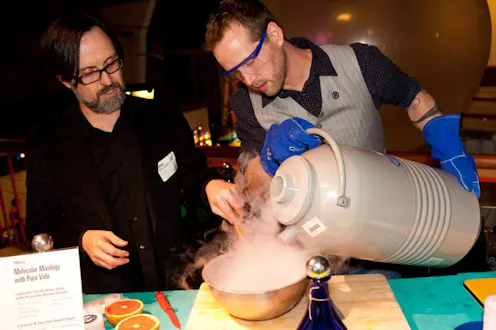
This is National Science Week in Australia. I know this because I am a scientist who lives with a science teacher, so we have conversations like , “What are you going to do for science week?” “Oh, gosh…
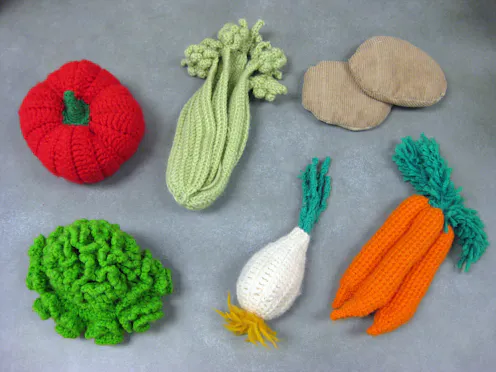
A recent paper in Science has announced the discovery of an organism that is going to require a reappraisal of our assumptions about viruses, evolution and the history of life. The authors named the organism…
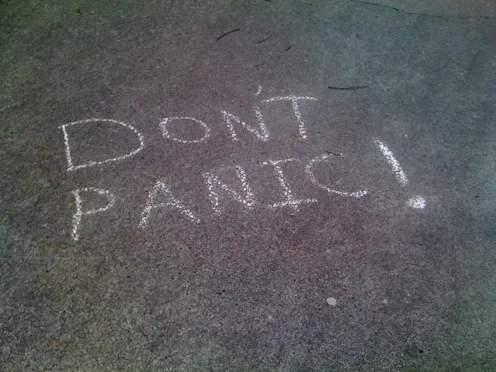
Today we worry that cow farts are destroying the environment with methane; back in the Proterozoic, it’s certain that algae farts ruined it with oxygen. As an evolutionary biologist and conservationist…
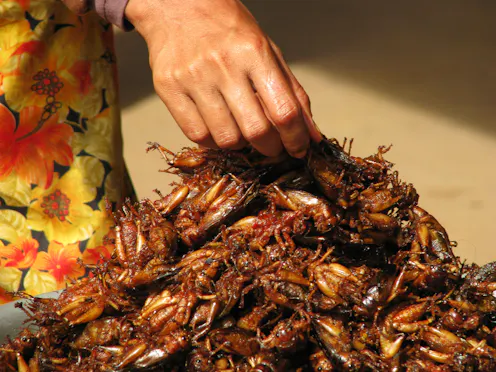
The Food and Agriculture Organisation of the United Nations released a report on Monday called Edible Insects: Future prospects for food and feed security and since then news outlets have been looking…
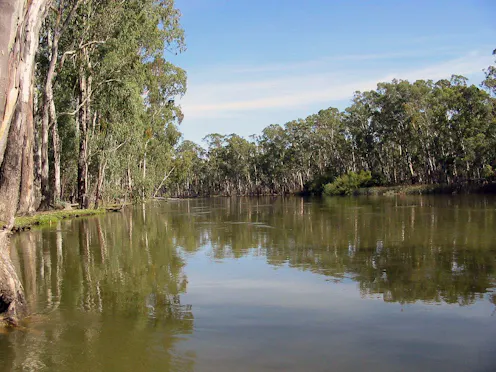
Australia is famous for its natural beauty: the Great Barrier Reef, Uluru, Kakadu, the Kimberley. But what about the places almost no one goes? We asked ecologists, biologists and wildlife researchers…
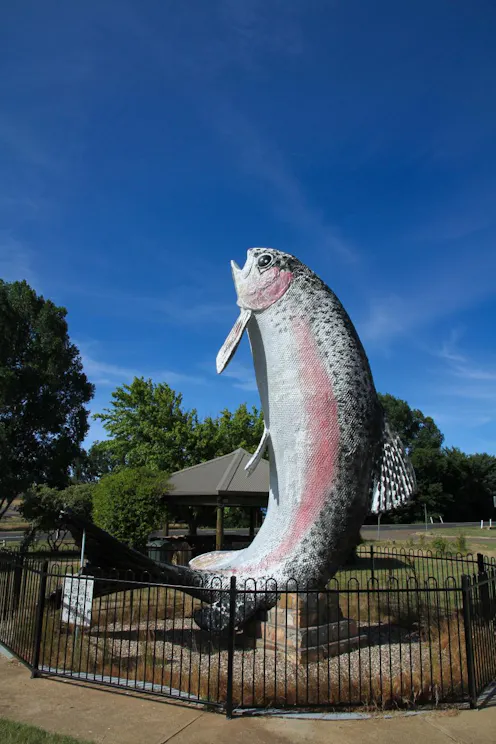
Yesterday’s announcement of the removal of trout from a small creek in the Alpine National Park to protect a critically endangered native fish highlights the problem that is trout. Trout have been so successfully…
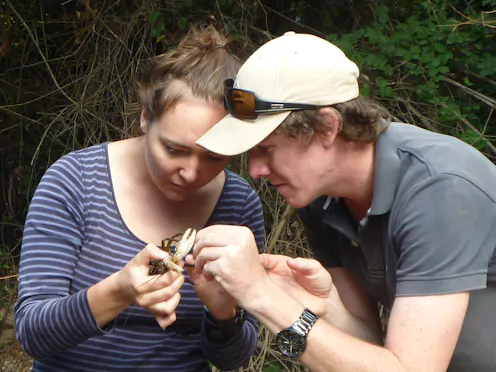
Last week, Victorian Fisheries announced changes to the fishing regulations for Murray Spiny Freshwater Crayfish to bring them in line with recent changes in New South Wales. This is a quick turnaround…
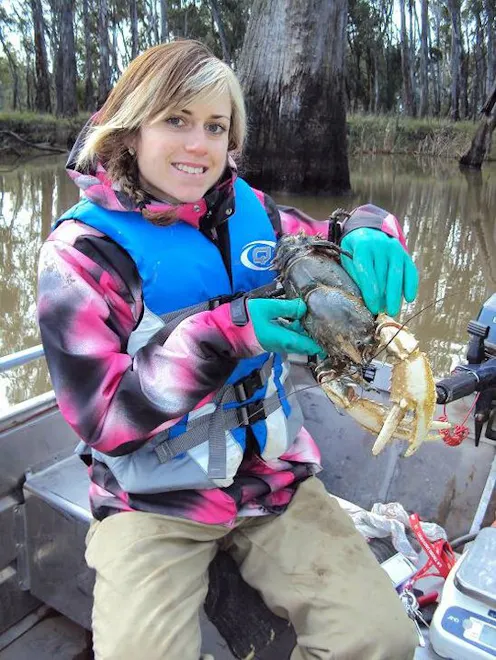
Fisheries NSW have recently announced large changes to the rules about fishing for Murray crayfish after calling for the status of this species to be changed. The Murray crayfish is now considered vulnerable…
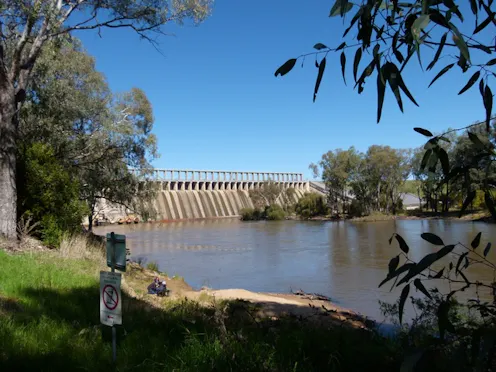
I welcome yesterday’s announcement that the Victorian government will continue to contribute to the Murray Darling Basin Authority. Recent cuts by the New South Wales and South Australian governments have…
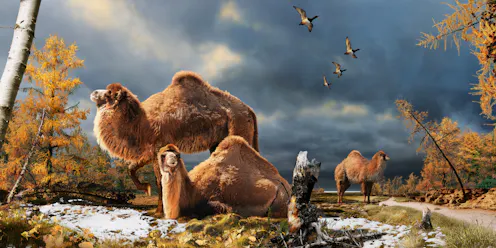
Ancient camels up to 29% larger than their modern-day cousins may have roamed the High Arctic of Canada around 3.5 million years ago, according to a new study of a fossil found in the region. The study…
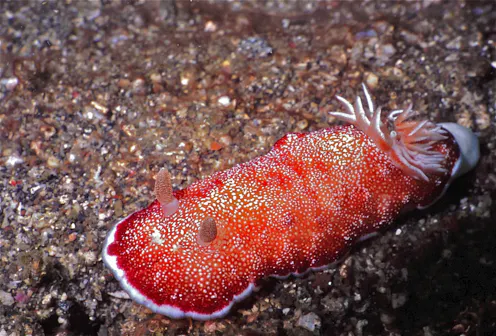
Last week a group of Japanese scientists published a paper describing a sea slug with a disposable penis. As strange as this sounds to us, the concept of the detachable penis is not a surprise to malacologists…
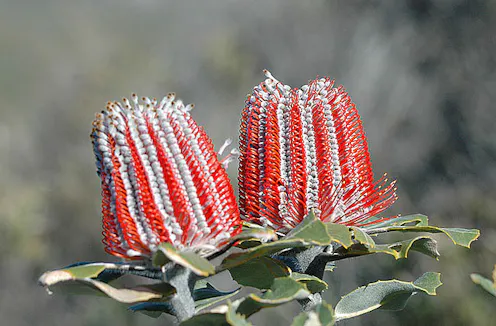
Ice Ages caused a mass extinction of plants in south-eastern Australia around a million years ago, according to a new study that presents a fresh take on how extinction shapes biodiversity. Scientists…
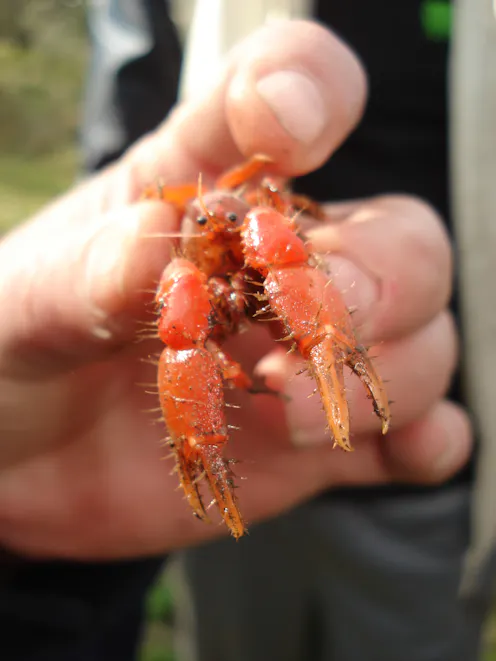
Everyone knows what a yabby is, don’t they? Well, you would be surprised. Those charming little critters with nippers in your local dam may belong to the species Cherax destructor, also known as the common…
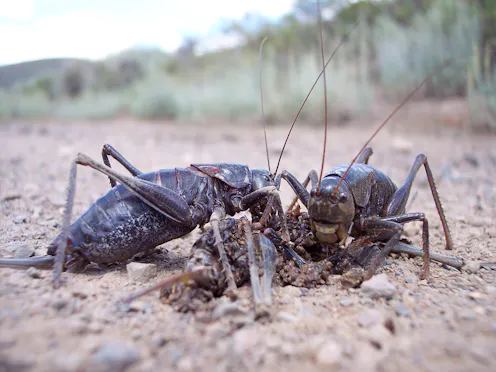
If you had to guess what creature in the world had the largest testes, I doubt you would guess that the prize belonged to a cricket. The testes of the tuberous bush cricket (Platycleis affinis) are an…
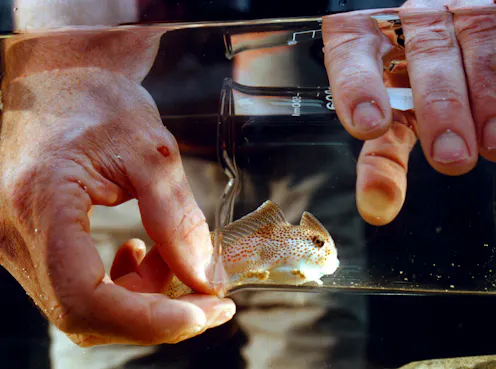
Australia has some of the world’s most unusual biological specimens. We have plants that look like animals, animals that look like plants, a fish that looks like a frog, a mole that does not dig tunnels…
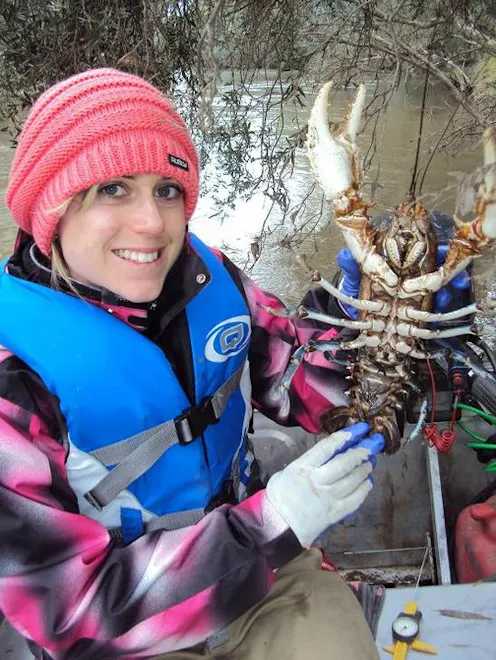
Murray crayfish never fail to impress. When you pull up the hoop nets from the murky depths and those large white claws start waving about, the uninitiated invariably recoil, sometimes even threatening…
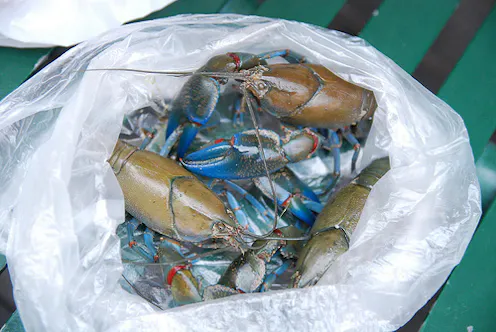
Someone who recently discovered that I do research on freshwater crayfish asked a simple question: How long do yabbies live? But this simple question has no simple answer. I found myself opening and closing…
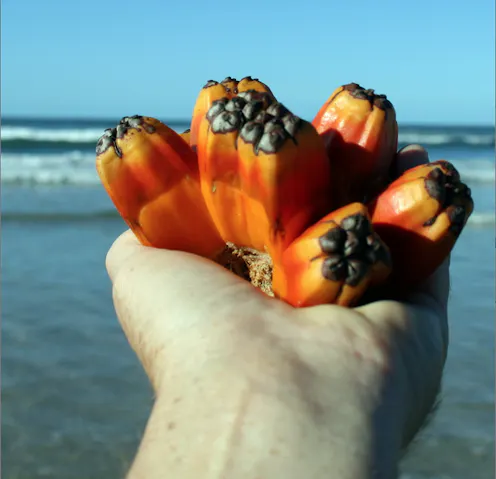
People who live far from the seashore still benefit from ecosystem services delivered by the oceans of our planet, and people who cannot see the sea still damage the oceans by impacting the water quality…
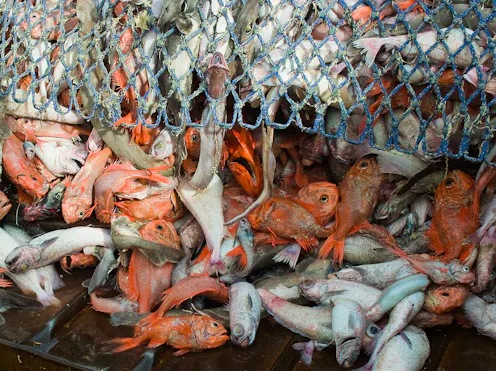
Today’s announcement of the marine parks is a significant step forward in the conservation of the southern oceans. Australia is now the world leader in the protection of marine environments, but the decision…
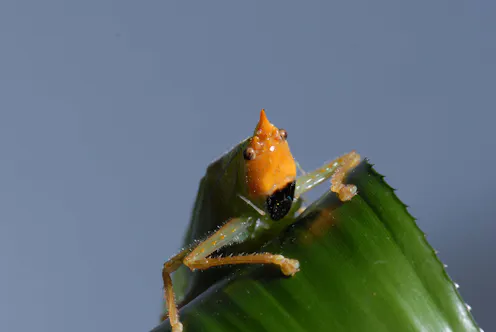
The ears on a South American rainforest katydid’s legs work nearly the same way human ears do, a new study has found, showing that animal groups as apparently unrelated as mammals and insects have evolved…
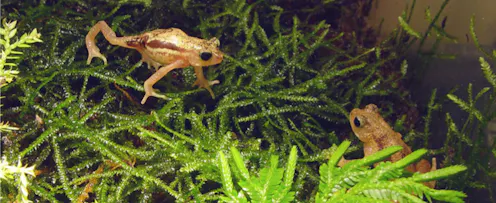
A rare toad from Tanzania declared “extinct in the wild” three years ago has been restored to its original habitat. This is the first time an amphibian species has been returned home after being classified…
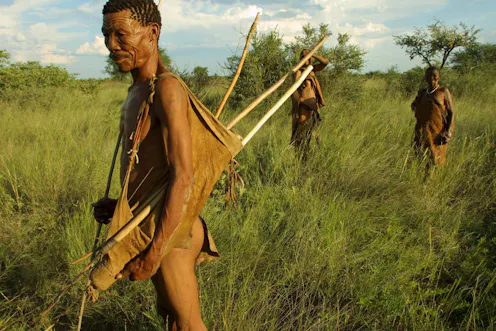
Human life expectancy has increased so much over the last four generations that 72 can be considered “the new 30”, according to a study led by researchers from Germany. The study, published today in US…
This week we learned that a member of the Science, Space and Technology committee in the United States House of Representatives does not believe in science. Paul Broun, a Republican from Georgia, probably…
Contact Susan for
- General
- Media request
- Speaking request
- Consulting / Advising
- Research collaboration
- Research supervision
- Location: Wodonga, Australia
- Website
- X (formerly Twitter): @DrSusanLawler
- Article Feed
- ORCID
-
- Joined
