
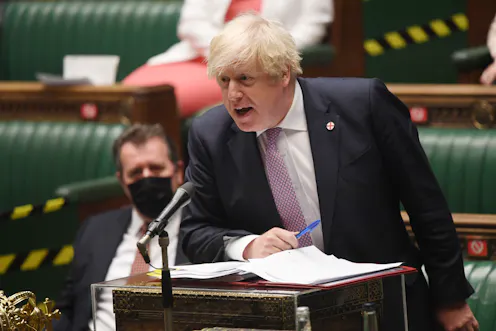
Appointing ministers who aren’t MPs or lords would weaken parliament’s ability to hold the government to account.
- Lecturer in Constitutional and Administrative Law, and Public Procurement, Bangor University

A large majority gives the prime minister freedom to dramatically alter the machinary of the nation.

The independence movement is growing in Wales but it’s not clear whether it would be able to go it alone.

Mistaken links between the EU and the European Convention on Human Rights could be one factor that sees the UK losing out on these vital supranational laws.
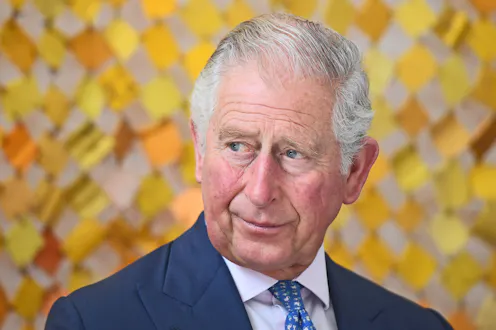
Charles has been a “rebellious” prince, but that won’t translate when he’s king.
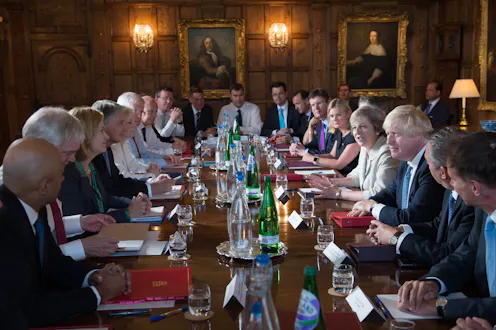
The UK has a constitutional convention of collective ministerial responsibility. Here’s why it matters – and must endure.
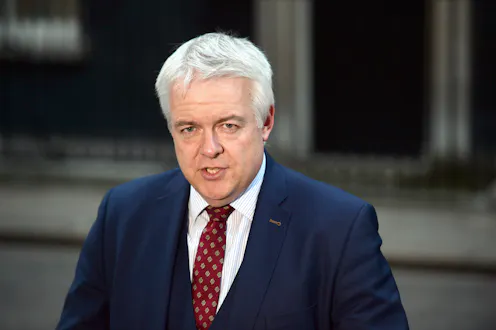
First Minister Carwyn Jones is due to face intense scrutiny as an investigation into the dismissal of former AM Carl Sargeant begins.

Scotland said no, so why would Wales say yes to letting the UK take over devolved powers?

Scotland’s decision to reject the Brexit Bill may herald a national constitutional crisis.

A succession of leaders have failed to address problems in England and Wales.
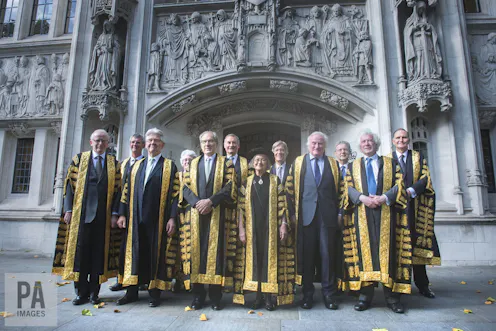
There are still far too few female, black, Asian and minority ethnic judges.
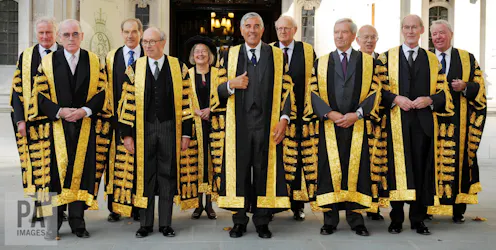
At least half of the UK’s Supreme Court will retire in the next two years, presenting a prime opportunity for a more representative judiciary.
Contact Stephen for
- General
- Media request
- Speaking request
- Consulting / Advising
- Research collaboration
- Research supervision
- Location: Bangor University, Wales, UK
- Website
- X (formerly Twitter): @stephenclear
- Article Feed
- ORCID
- Joined
