
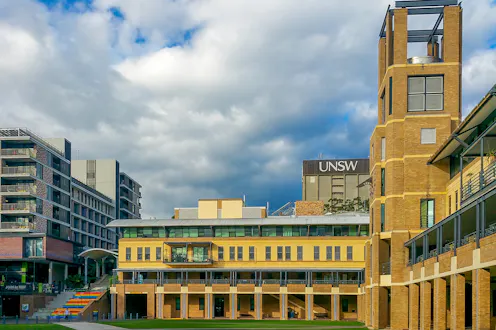
Revenue fell by more than $2 billion in 2020 – less than feared – but universities are increasingly vulnerable to worsening conditions, with losses of international students accelerating.
- Professor and Director, Mitchell Institute, Victoria University

The government is paying childcare services in hot-spots 25% of pre-pandemic revenue. But without parents’ fees, the sector is still in a tough position.

A report uses an international benchmark of no more than 7% of disposable income spent on childcare to determine affordability. It finds childcare is unaffordable for 386,000 Australian families.

Our analysis suggests the Morrison government’s child-care subsidy changes won’t do much to improve the affordability of child care for many families on low to middle incomes.

Our current quarantine capacity would take six months to handle the return of 150,000 existing students, but 70,000 new students every six months would also be needed to halt the fall in enrolments.

Universities can expect at least a A$3 billion reduction in international student revenue this year compared to 2019.
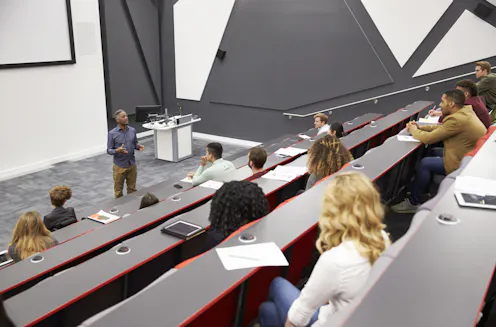
The halving of international student numbers living in Australia to 300,000 is a huge hit to universities’ revenue. But our cities and businesses will also feel the loss of so many residents.

The pandemic has hit young people very hard. The long-term costs of having them neither studying nor working more than justify investment in a national program to help them enter the workforce.
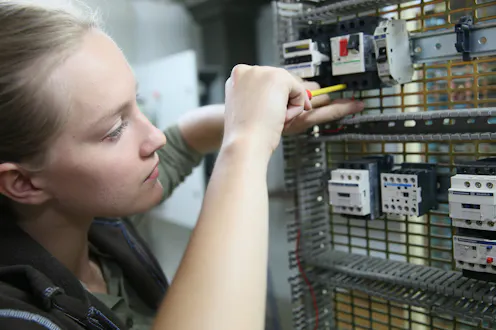
The Australian government’s JobTrainer programs provides A$1.5 billion in wage support for apprentices and trainees.

The education minister has outlined reforms to higher education funding aimed at producing ‘job ready graduates’. But his announcements don’t seem completely in line with the data.

A Mitchell Institute report has estimated the proportion of international students in various Australian suburbs, and how much they contribute to the local economy.

Governments must ensure access to preschool for all children, many of whom will have had their learning and development affected by COVID-19. It will help children recover, as well as the economy.

For every $1 lost in university tuition fees, there is another $1.15 lost in the broader economy. This means loss of university revenue can cost the Australian economy more than $40 billion by 2023.

Increases in unemployment result in a decrease in apprentice numbers, as well as employers taking on fewer new apprentices. Australia can’t lose the workforce we might need for our recovery efforts.

Many families already shop around for childcare and still face major barriers such as availability. And shopping around is not a realistic option for many living in disadvantaged areas.
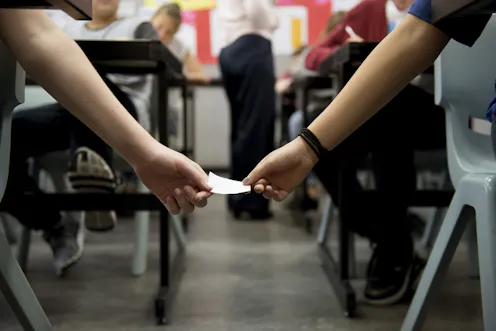
What is cheating? Sometimes, teachers and academics disagree on exactly what constitutes academic misconduct, but getting someone to proofread your work is generally considered fine.

A new report argues the tertiary education sector must allow students to move more freely between VET and higher education and gain the skills they need at different times in their working lives.

We should keep in mind that education is valuable beyond graduate earning capacity, and that what a student learns during their education can have little to do with why they earn more.
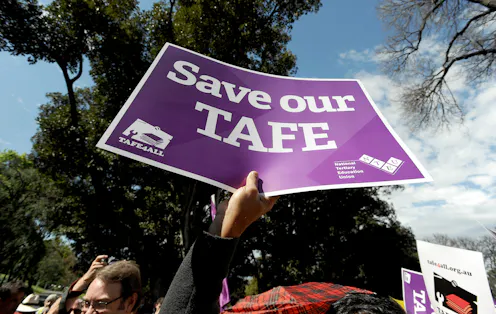
VET certification standards differ greatly from university. Students qualify for diplomas with no set course length, assignments, or campus contact.
Contact Peter for
- General
- Media request
- Speaking request
- Consulting / Advising
- Research collaboration
- Location: Melbourne, Australia
- Article Feed
- Joined
