
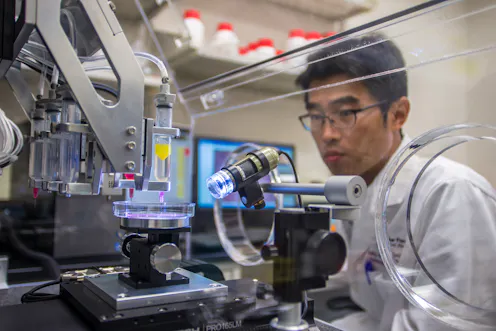
There’s a big difference between science and pseudoscience. But if people don’t understand how science works in the first place, it’s very easy for them to fall for the pseudoscience.
- Senior Lecturer in Philosophy and Education; Curriculum Director, UQ Critical Thinking Project, The University of Queensland

Not voting can have serious consequences regarding the kind of society we end up living in. Disengagement can mean a lowering of quality of life.

Controversial arguments and ideas should be listened to and open to public scrutiny. Only then can we expose those ideas found wanting and lacking any credibility.
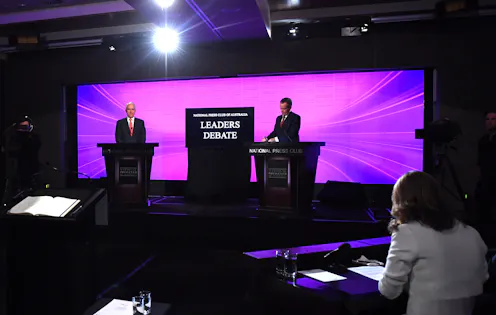
Why has the political debate become such an uninspiring event today? It’s difficult to find someone political who wants to genuinely argue for their position.

How often have you been urged to use common sense during an argument or a debate? The problem is, common sense is an unreliable indicator of truth.

It might seem crazy to believe the world is flat. But for some people it reinforces a narrative that gives their lives meaning.
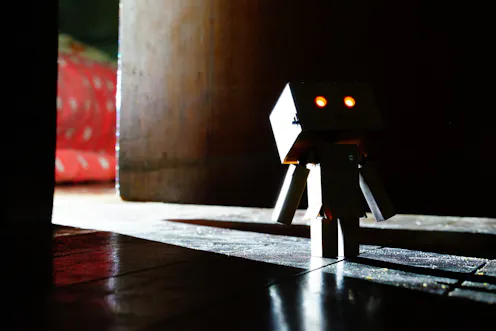
As machines get ever more complex as we strive to make them complete more complex tasks, it’s time to ask again: will they ever be able to think? But what is thinking anyway?

You might not believe in God, but do you tell your kids about Santa? How do you explain Christmas to your children if you and they are not religious?

How best do we teach our kids that the world is not always as we’d like it to be? The ‘when’ can be out of parents’ control, but there are parts of the ‘how’ that are more manageable.

A new paper on teaching critical thinking skills in science has pointed out, yet again, the value of giving students experiences that go beyond simple recall or learned procedures.
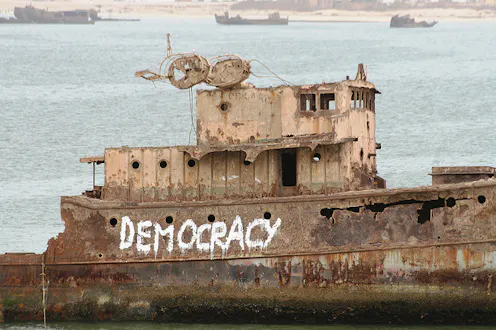
Campaigns are now more focused on how to manipulate the electorate so you can govern as you see fit once you get power.

How can we make the most of the “why?” years and develop our children into effective inquirers and critical thinkers?
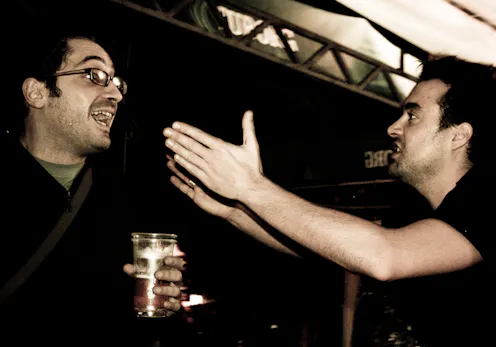
It’s so easy to get side-tracked in any discussion and once that happens you’re doomed. So what do you need to know to win your argument?

The ability to think critically benefits individuals and societies. Why, then, is it so rare for critical thinking to be taught in schools?
What you make of the federal budget will be based on quick judgement rather than any careful analysis. And that’s just the way politicians like it.
All first year students at the University of Technology Sydney could soon be required to take a compulsory maths course in an attempt to give them some numerical thinking skills. The new course would be…
There was a bit of talk over the last election cycle, expressed in the usual language of political left and right, about returning the pendulum to the “sensible centre”. Sounds a good idea, but what does…

As the United Nations warns of the dire consequences of global warming, the commitment of the current Australian government to the reality of climate change remains unclear, with a history of disturbingly…

How do you know the people billed as science experts that you see, hear and read about in the media are really all that credible? Or have they been included just to create a perception of balance in the…

Whether discussing vaccination, climate science, the state of the budget or educational reform, it is common to hear calls for “the facts”. The appealing simplicity of the word “fact” is instrumental in…

In a recent interview, federal attorney-general George Brandis laments that deniers of climate science are being “excluded” from the debate. On the surface this seems a justifiable complaint, but the point…

The word “pseudoscience” is used to describe something that is portrayed as scientific but fails to meet scientific criteria. This misrepresentation occurs because actual science has creditability (which…
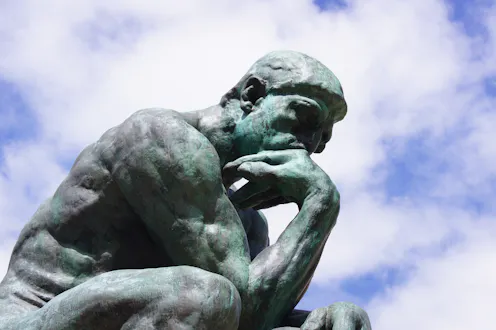
We like to think that we reach conclusions by reviewing facts, weighing evidence and analysing arguments. But this is not how humans usually operate, particularly when decisions are important or need to…
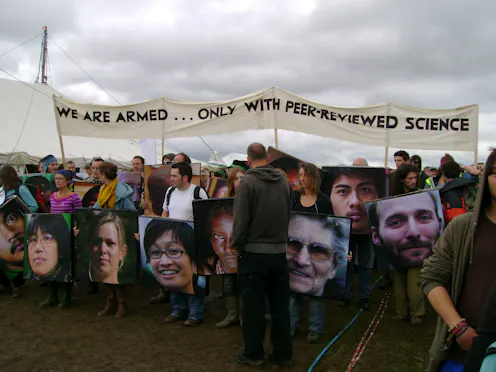
Why is science not delivered as part of our routine news bulletins in the same way as, say, business and sport? Enter a group from the University of Queensland, who yesterday posted an open letter to radio…
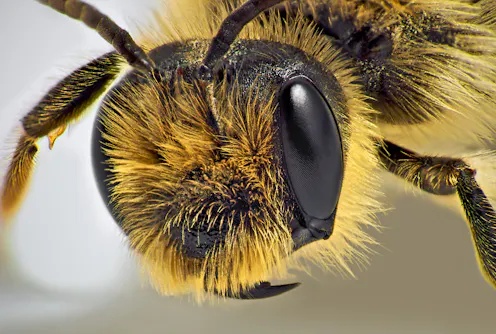
Without good advice, governments are in extreme danger of creating erroneous or damaging public policy. So it’s a serious matter when a government science adviser is accused of ignoring scientific evidence…
Contact Peter for
- General
- Media request
- Speaking request
- Consulting / Advising
- Research collaboration
- Research supervision
- Location: Brisbane, Australia
- X (formerly Twitter): @reasondisabled
- Article Feed
- Joined
