
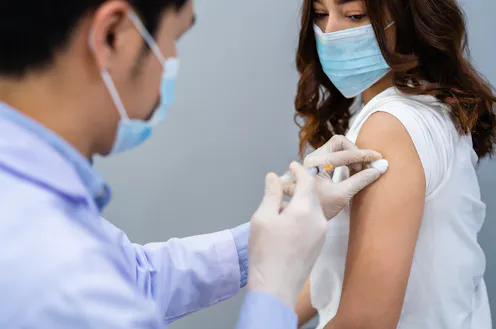
Years of vaccine research tells us that, if side effects are going to occur, they normally occur within the first months after getting a vaccine.
- Professor, The Children's Hospital at Westmead Clinical School and Sydney Infectious Diseases Institute, University of Sydney
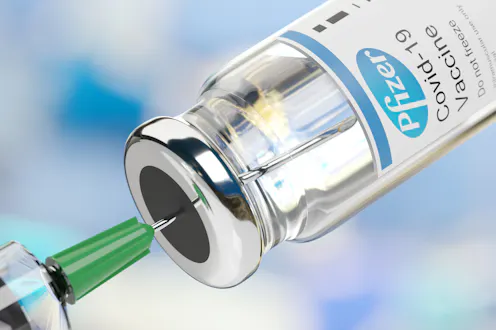
The clock starts ticking once the vaccine leaves the freezer. Here’s what to expect.

We already track potential vaccine side-effects in Australia. So we’ll be using, and building on, years of experience in monitoring any long-term effects of COVID-19 vaccines.
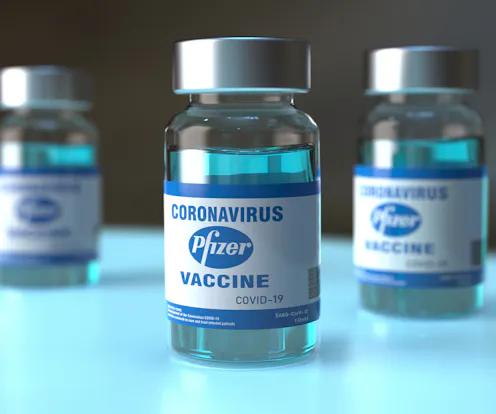
Reports of two UK health workers having allergic reactions after receiving Pfizer’s COVID vaccine have led to safety warnings for others at risk of anaphylaxis.
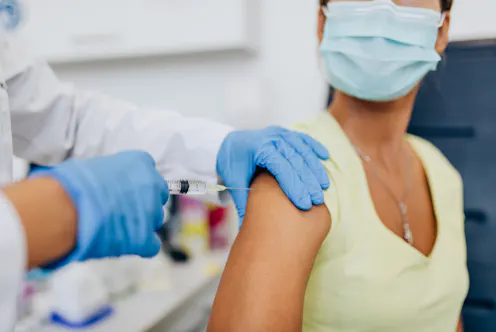
Le laboratoire AstraZeneca a annoncé des résultats encourageants pour son vaccin anti-Covid-19. Mais comme pour ceux de ses concurrents, rien ne dit que son efficacité sera la même en conditions réelles.
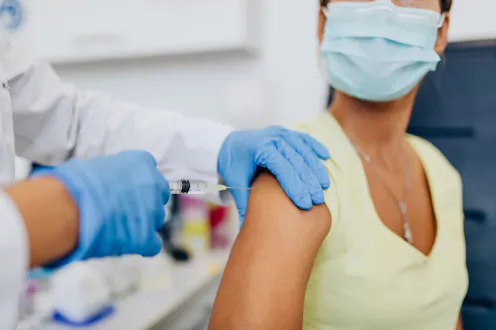
Data coming through from phase 3 trials are encouraging. But participants don’t represent the whole community — so we can’t be sure these vaccines will work as well in everyone.
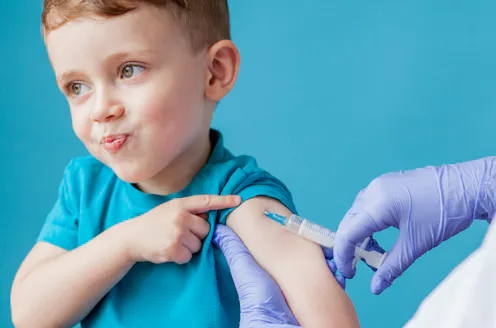
Any COVID-19 vaccine is likely to be given first to higher risk groups before it is given to children. But we still need vaccines that are safe and effective for them too.
Details are sketchy. But it looks like people would still need to go through the legal system to get compensation. There are better ways.
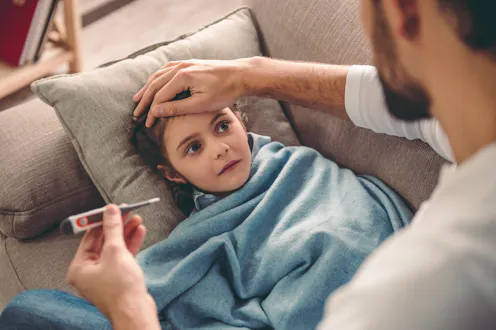
It’s much more likely your child’s symptoms are caused by a common respiratory virus than COVID-19. But it’s important to follow testing guidelines and keep them home if they’re unwell.

Babies are normally vaccinated against measles at 12 months old. But doctors are now suggesting having the shot as early as six months might be worthwhile for youngsters traveling overseas.
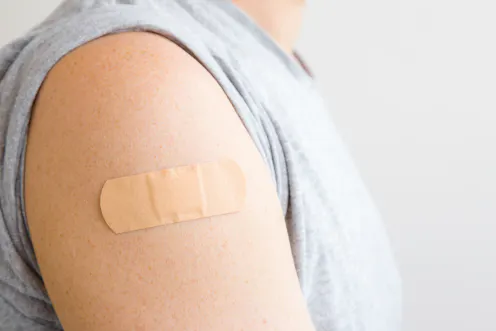
There are many reasons adults might not be up to date with the vaccinations they need. Catching up is easy enough, and vitally important in the fight against infectious diseases.
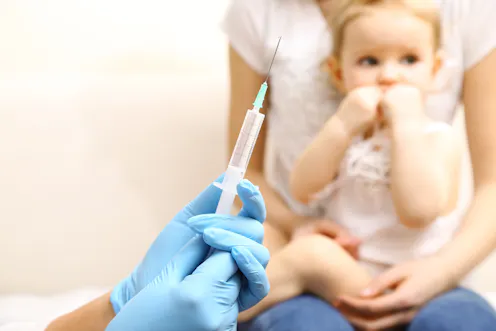
Children with autism and their younger siblings could be at increased risk of vaccine-preventable diseases, with new research showing they are under-vaccinated compared to the general population.

Meningococcal is a rare but very serious infection that can lead to blood poisoning and brain infection. But no single vaccine protects against all the strains.
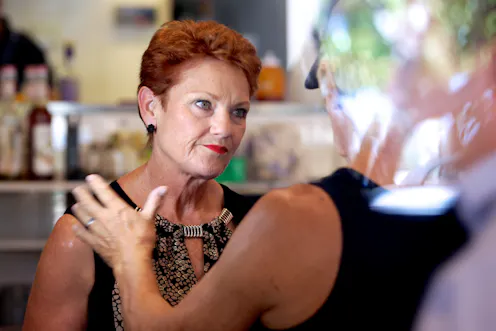
Speaking on the ABC program Insiders, One Nation leader Pauline Hanson suggested there are tests available to see if children will have an adverse reaction to vaccinations. We asked three experts.
Contact Nicholas for
- General
- Media request
- Speaking request
- Consulting / Advising
- Research collaboration
- Research supervision
- Website
- Article Feed
-
- Joined
