
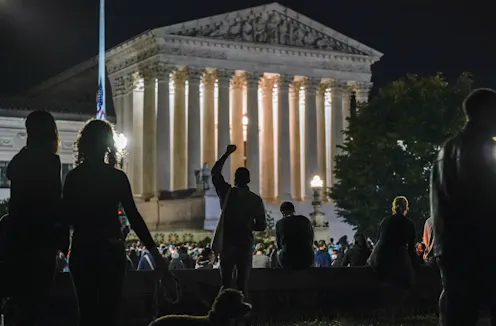
A 6-3 conservative court will hear a broader range of controversial cases, shift interpretations of individual rights and put more pressure on local democracy to make policy decisions.
- Professor of American Civics, University of Tennessee
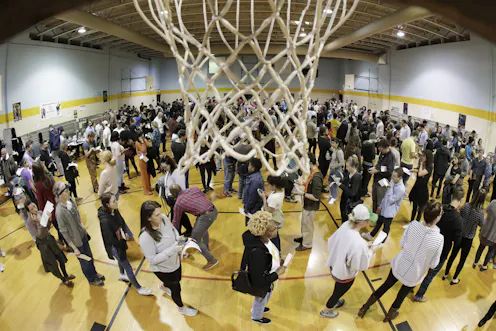
The framers of the Constitution never mentioned a right to vote. They didn’t forget. They intentionally left it out.
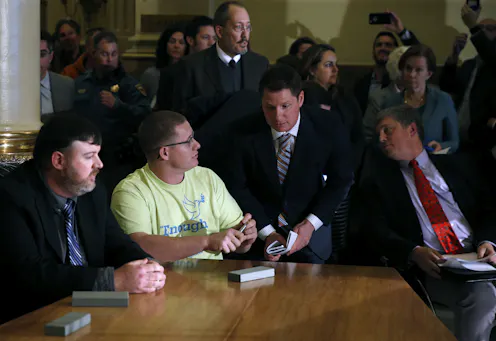
Electors may not vote their consciences, which means the Electoral College will continue to operate how most Americans think it does.
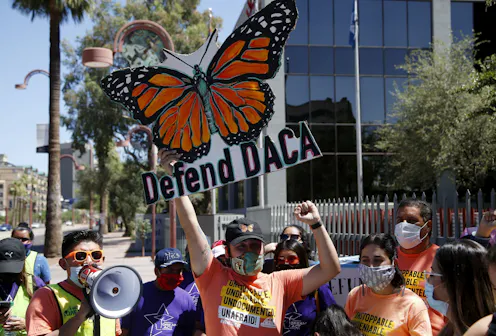
In a 5-to-4 decision, SCOTUS delivered a major blow to Trump and opened the doors to the court being an arbiter of public honesty
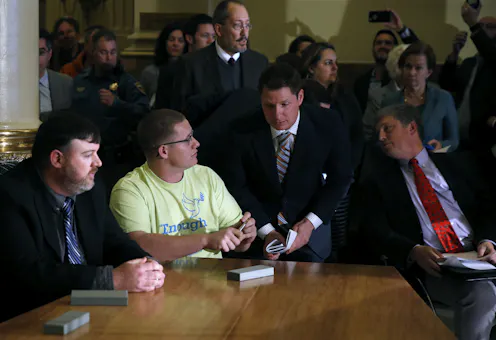
Many Americans are surprised to learn that Electoral College members do not necessarily have to pick the candidate their state’s voters favored. Or do they?
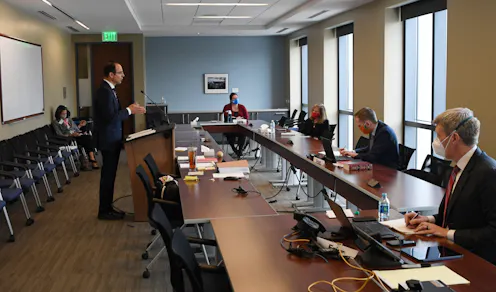
The Supreme Court’s pandemic-related move to oral argument over the telephone has improved those arguments and allowed the public to engage with these discussions of the meaning of our Constitution.
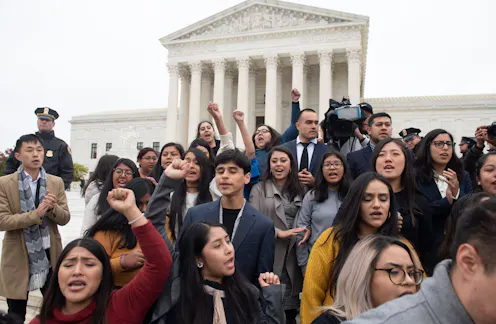
The question facing justices isn’t whether the president had the authority to rescind DACA. Rather, it is: Was he honest in his reasons why?
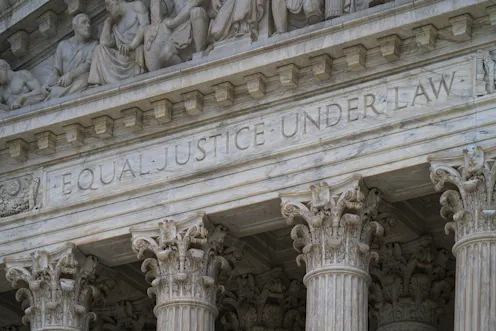
The upcoming Supreme Court session will address notable cases about the rights of different groups. The cases go to the heart of how U.S. laws protect both individual and group rights.

There’s been a reversal of power between religious and secular sides of American culture. The Supreme Court is now at the center of that shift.
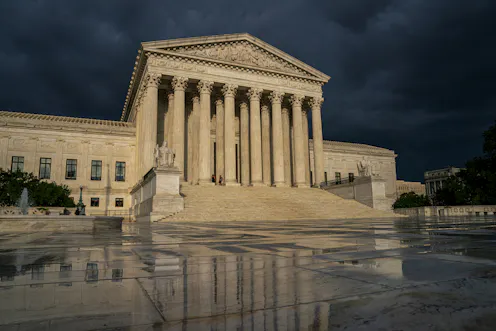
Conflict made its way to the Supreme Court this past session with two cases – one about the census, the other about gerrymandering. A court scholar says the two cases are intimately connected.
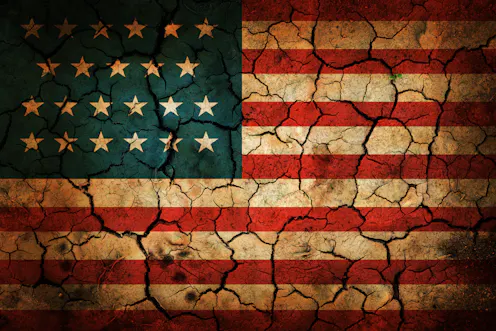
How can a community decide the direction it should go, if its members cannot even agree on where they are? Two political scientists say the growing phenomenon of dueling facts threatens democracy.
Contact Morgan for
- General
- Media request
- Speaking request
- Consulting / Advising
- Research collaboration
- Location: Knoxville, Tennessee, U.S.
- Website
- Article Feed
-
- Joined
