
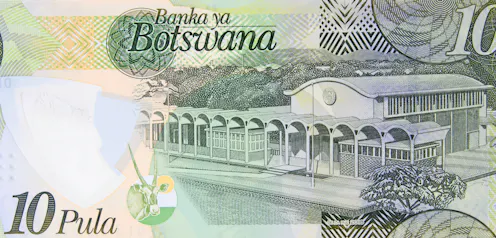
African governments must engage rating agencies better, providing them and investors with credible economic data, and regularly address all concerns being raised.
- Post Doctoral Researcher, Graduate School of Business (GSB), University of Cape Town
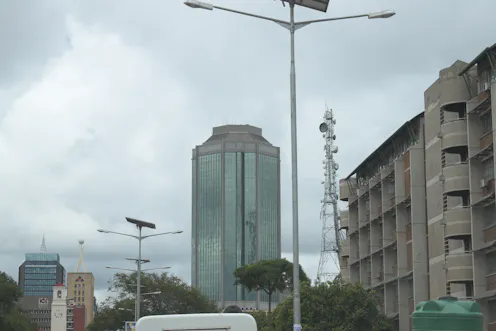
Zimbabwe wants to issue a sovereign bond to raise $3.5 billion it has agreed to pay as compensation to white farmers, but the economic and political conditions aren’t conducive to such an issuance.
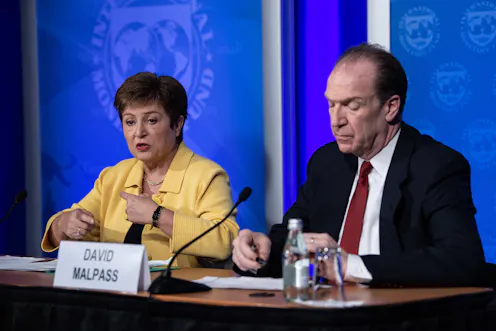
African countries should tread carefully over the debt relief offered by multilateral institutions and other lenders. It could prove very costly in the medium to long term.
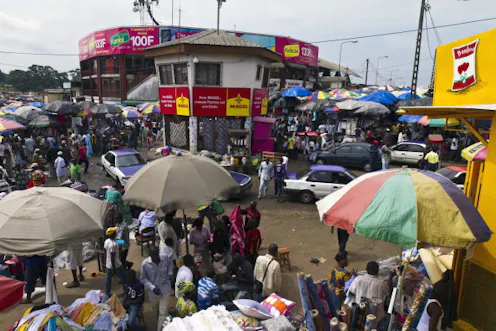
Downgrades have a devastating effect on economies that are already strained. The decision to downgrade during a crisis like the coronavirus pandemic must be challenged.
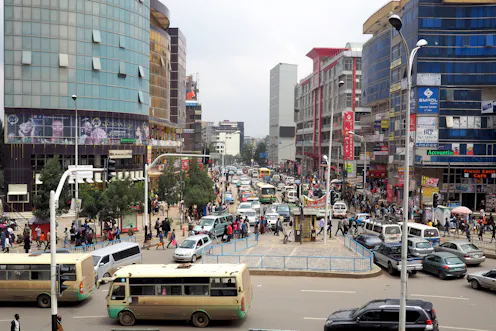
The alarm being raised by multilateral financial institutions about rising government debt across Africa is exaggerated. The real problem is that African governments pay way over the odds for debt.
How South African manages the fallout from its likely downgrade by Moody’s in November will determine whether the country will be forced to turn to the IMF for a bailout.
Rating agencies continue to be found wanting, primarily because of their business model where the institution being rated pays. This brings about a conflict of interest which is not easy to resolve.
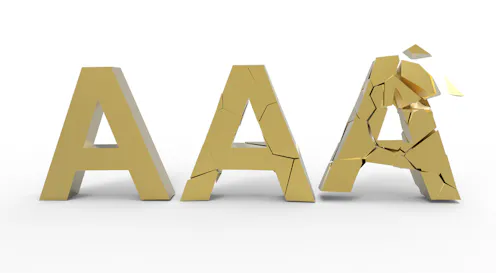
African countries need to find a way to present a common front to the rating agencies.
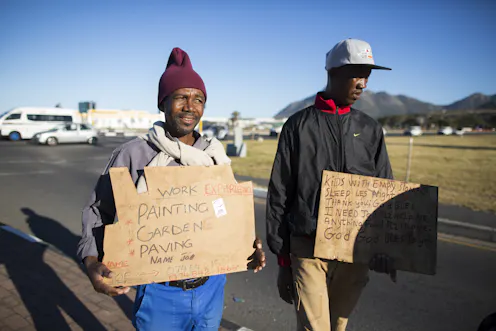
It’s becoming increasingly difficult to take South Africa’s ruling party seriously when it talks about economic reform.

The positive energy that’s greeted the new South African President, Cyril Ramaphosa, will turn to protest if economic challenges are not addressed quickly.

South Africa’s 2018 national budget makes it clear that the slumber and corruption that has hampered state owned enterprises must come to an end.
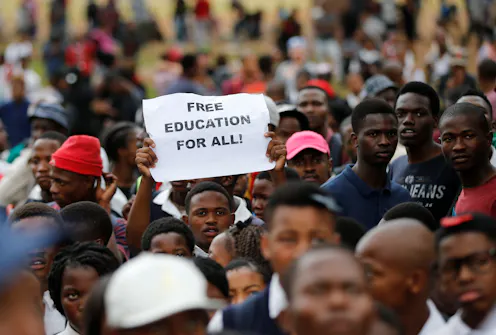
In announcing free higher education, South African President Jacob Zuma, lobbed a populist hot potato at the ANC elective conference but it’s ordinary people whose fingers will be burnt.

The idea that South Africa must look towards the International Monetary Fund to rescue itself from the prevailing crisis must be dismissed.
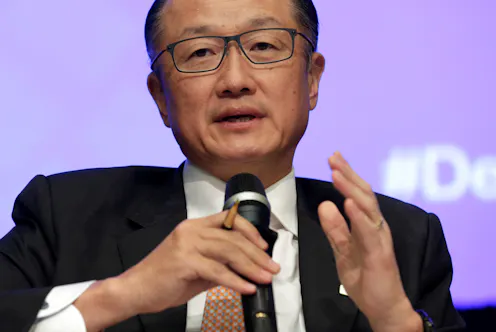
Africa should be concerned about news that the World Bank is looking to migrate from the model that largely relies on funding member states to become a broker of private capital.
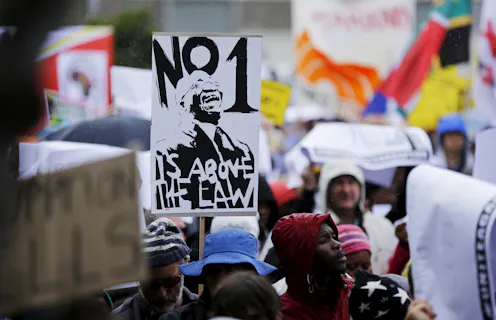
Reforming South Africa’s state owned enterprises should start with greater accountability and financial responsibility.
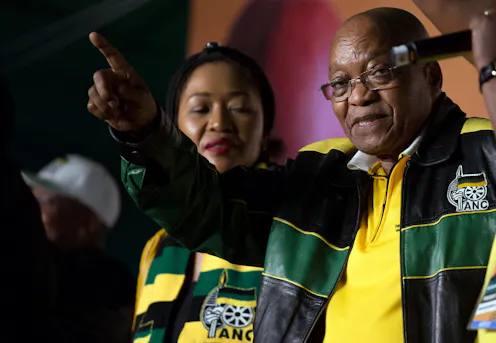
The populism politics adopted by South Africa’s ruling party, African National Congress, mask a strategy to deflect attention from the party’s policy failures and to hide its many scandals.
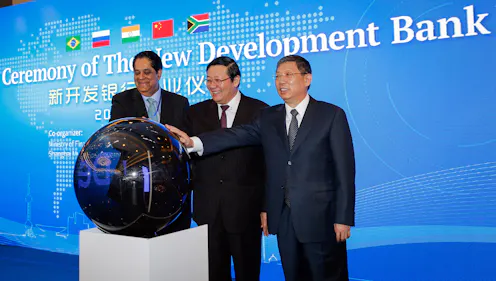
The BRICS New Development Bank has promised to change the world of multilateral development funding but has so far failed to live up to expectations.
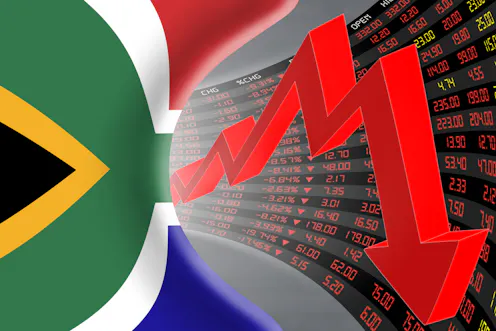
The rising talk about ‘white monopoly capital’ as an obstacle to economic inclusion in South Africa is a red herring.
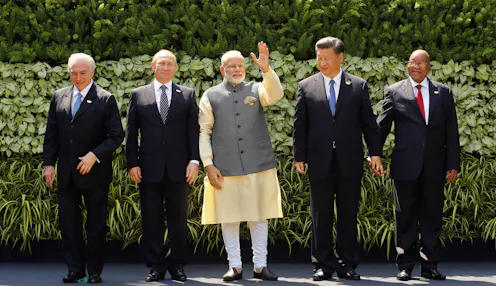
The BRICS bloc of states have resolved to establish an alternative credit rating agency to counter western dominance in the financial markets. Will it work?
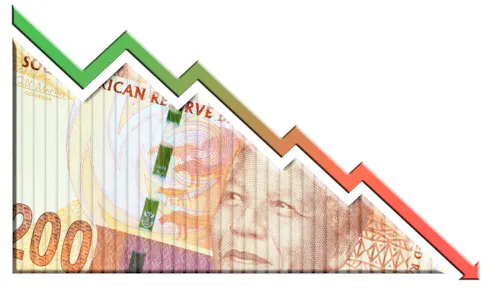
The effects of a sovereign credit rating downgrade would be painful for all South Africans.
Contact Misheck for
- General
- Media request
- Speaking request
- Consulting / Advising
- Research collaboration
- Research supervision
- Location: Cape town, South Africa
- X (formerly Twitter): @Prof_Mish
- Article Feed
- ORCID
- Joined
