

What do pencillin, polythene and Mexican yam have in common?
- Professor of Science Communication and Chemistry, University of Hull
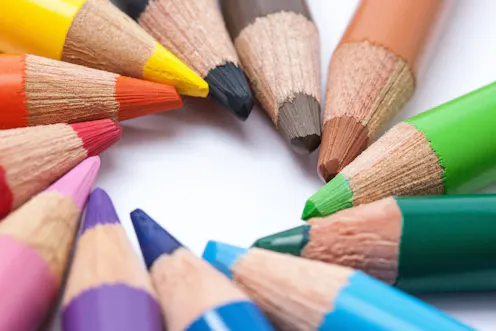
Reagent pencils, the Caran d'Ache of the chemical world.
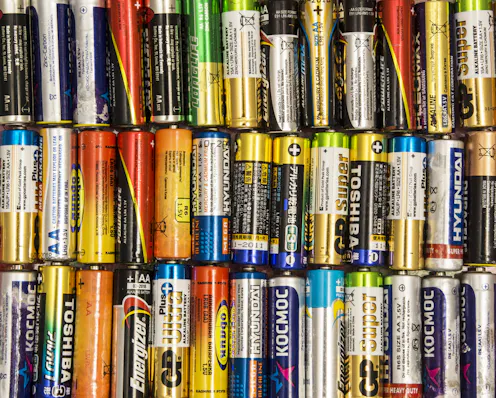
Bouncing batteries to check their charge isn’t an internet myth after all.

While stuck in a hotel room I got sucked into watching the 2002 Spider-Man movie. And it struck me that Peter Parker must have an enormously high-protein diet to generate all that spider silk he goes through…
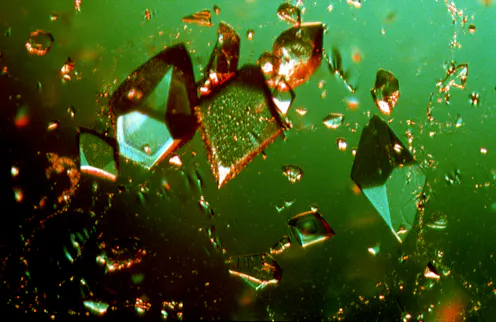
’Tis the season for listicles rounding up the stories of the year. So with, the authority vested in me, here is a selection of six top, bottom and forgotten science stories of 2014. Bounciest landing The…
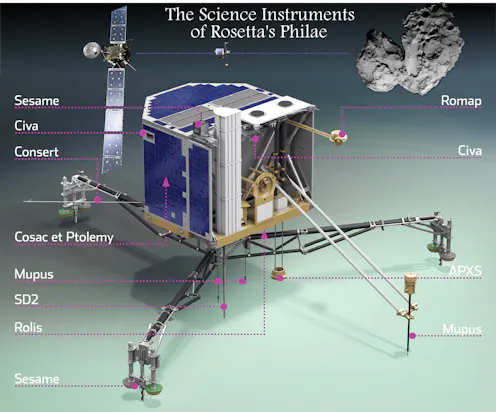
The drama of Philae’s slow fall, bounce and unfortunate slide into hibernation was one of the most thrilling science stories of a generation. But what in its short 60 hours of life on Comet 67P did it…

The history of science is full of episodes when a seemingly ludicrous theory is ridiculed, but then slowly gathers evidence and support to move from the fringes to the heart of the scientific consensus…
Let’s start with a quiz… How many senses do you have? Which of the following are magnetic: a tomato, you, paperclips? What are the primary colours of pigments and paints? What region of the tongue is responsible…
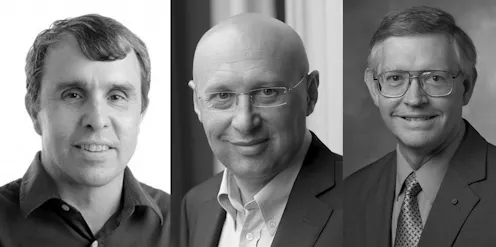
Robert Hooke was a pioneer of microscopy, when back in the 17th century he drew stunning images of insects, plant cells and fossils. Since then microscopes that use light to magnify things we can’t see…
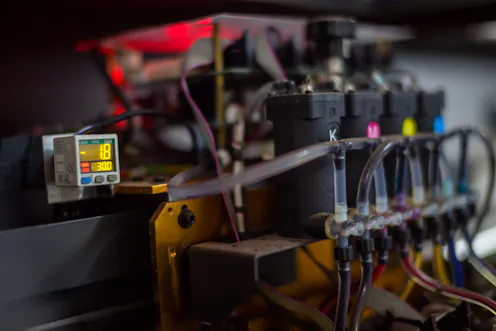
If you stop and think about it for a moment, you will realise what an astonishing feat of precision engineering your colour printer is. It can take the primary colours – cyan, yellow, magenta and black…

All too often the use of the word “chemicals” in the news, in advertising and in common usage has the implication that they are bad. You never hear about chemicals that fight infections, help crops grow…
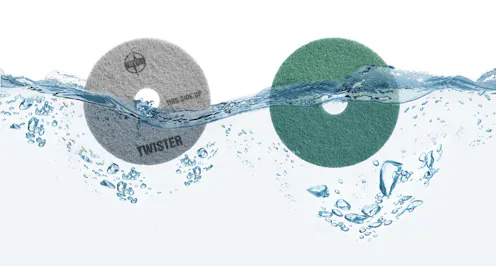
Chemists have long protested the use of the term “chemical-free” in marketing, particularly when used to promote organic produce. This can be seen in the continuing complaints to the advertising standard…

Around 100 years ago a father and his son in north England conducted an experiment that would revolutionise the way scientists study molecules. A refined version of their method still remains one of the…
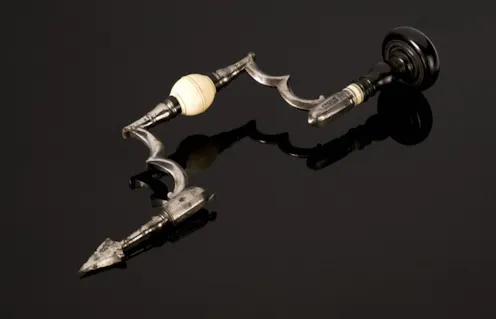
The UK’s largest medical charity, the Wellcome Trust, has made its vast database of images freely available to all. The collection holds photos of hundreds of years worth of medicine, instruments and scientific…
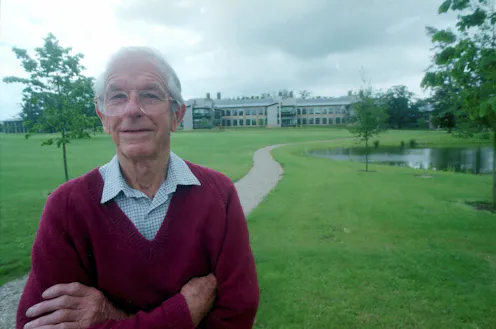
This week Fred Sanger died at the age of 95. His name is probably unfamiliar to most, but he is considered one of the greatest chemists of our age. He is the only person to have won two Nobel prizes for…
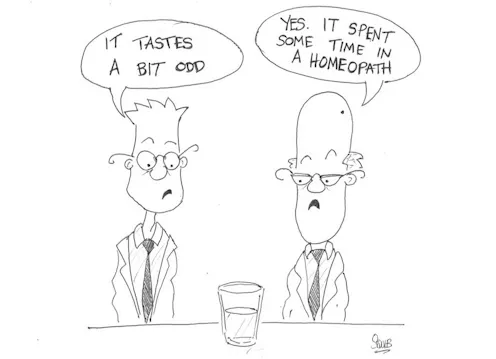
Homeopaths believe water has memory. That is how they explain the “medicinal properties” of their concoctions. Apparently people are treated even though the pill or potion may not contain a single molecule…
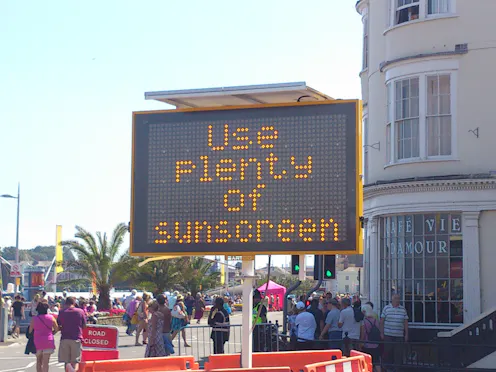
In 2009 a team of academics from Eindhoven University of Technology dug up a perfectly normal street in the Netherlands. In its place they installed a chemistry experiment cunningly disguised as a concrete…
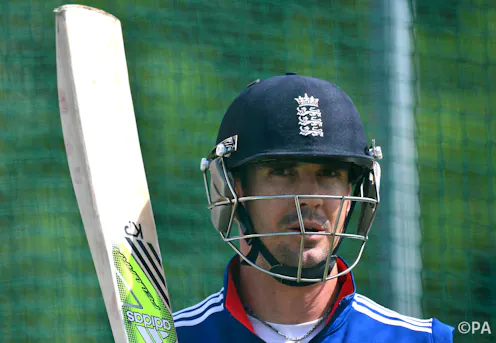
The Ashes series is already plagued by controversy over technology’s role in cricket. The latest allegations of equipment tampering haven’t helped. Australian TV station Channel Nine has reported some…
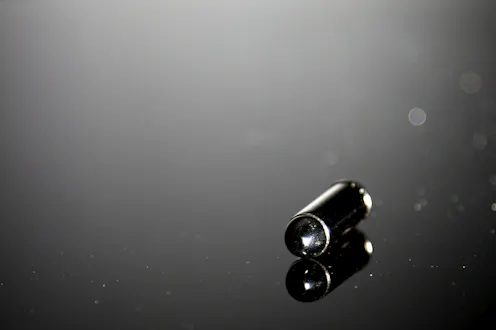
The use of silver in medicine is as old as western medicine itself. Hippocrates is known to have used it to treat ulcers and wounds, the Romans almost certainly knew of its healing properties, its use…

There was chaos on the streets of Halajba in March 1988. In this corner of Iraq, at the time Iraqi Kurdistan, people had suddenly started experiencing cold-like symptoms – tight chest and nasal congestion…
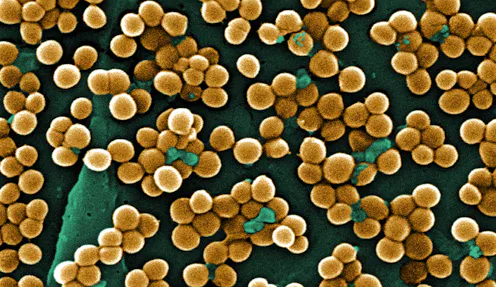
Antibiotics have probably saved more lives than any other form of medication. Prior to their development, things that we now consider trivial, such as a prick from a rose bush or a sore throat, could easily…
Contact Mark for
- General
- Media request
- Speaking request
- Consulting / Advising
- Research collaboration
- Research supervision
- Location: Hull, UK
- Website
- X (formerly Twitter): @mark_lorch
- Article Feed
- ORCID
- Joined
