

The era of the VCR is coming to a close, but it’s impact on the way we consume and produce content has been profound.
- Associate Professor of Screen Media, Victoria University

The Seven Network’s decision to offer an additional subscription service for its coverage of the Rio Olympics makes it the first free-to-air broadcaster in Australia to charge for broadcasting sport.

A move by the US to open up more competition in pay-TV has sparked a debate about TV viewing data.

The European Union is considering imposing a local content quota on video streaming services such as Netflix and Amazon. With local storytelling under threat from global tech giants, could such an approach work here?
A new affiliation between Network Ten and WIN may have been forced, but it opens the way for possible future mergers.

There’s a new video-on-demand service in Australia, and it might shake up the sector given its unconventional approach and appeal to young people who shun traditional television viewing.

The Nine Network’s partnership with Southern Cross Austereo doesn’t just impact regional television. It has ramifications for media ownership, television and what counts as ‘local content’.
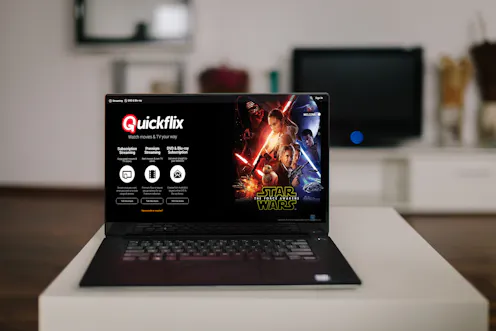
Australia’s first video-on-demand service, Quickflix, has appointed voluntary administrators which could see it fold, sold or absobed by the conmpetition.

Prime-time TV audiences continue to drop as people switch over to watch online content.
Foxtel has previously been coy about confirming speculation it is planning to launch a service that will compete with Telstra TV and Apple TV. But new chief executive Peter Tonagh has now told reporters…
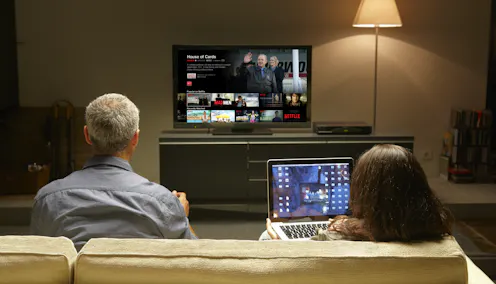
Many Australians already browse the web or send emails and messages to friends while watching television. Now Netflix wants to do what others have failed to do: combine both experiences in one app.

The rise on live streaming of television programs is breaking down the protected geographical barriers on what you can watch, and the regional broadcasters are not happy.

Netflix took everyone by surprise when it announced it was tripling its global reach for video on demand. So who are the winners and potential losers in the new deal?

This could be the final act in the legal battle to recoup money from Australians who allegedly illegally downloaded the movie, Dallas Buyers Club.
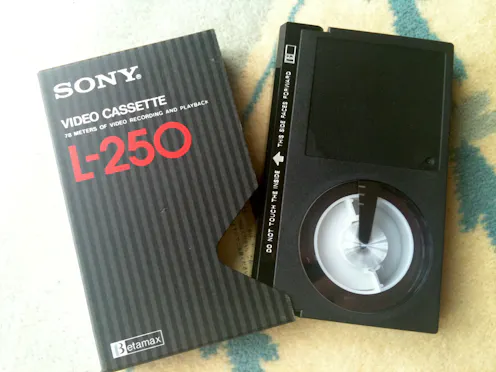
The tech giant Sony may have signalled the end to its video tape but the format wars continue in the digital world.
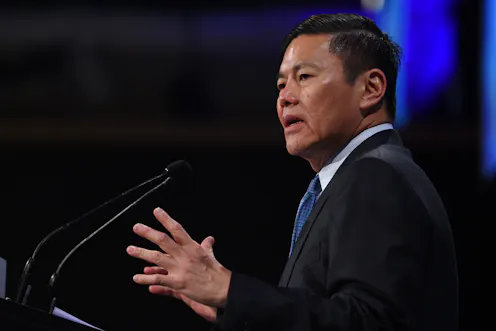
As Optus takes the fight for sports viewers to Foxtel and Telstra, it’s unclear if consumers will benefit.

A welcome fall in the number of people in Australia who admit to pirating movies and television shows. But what’s the cause off this shift in online behaviour?
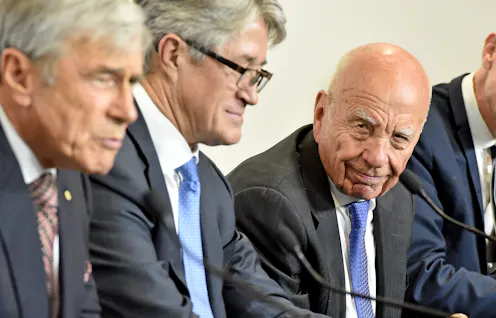
Telstra is promising to “transform the experience” for AFL fans, but Foxtel has similar plans.

Commercial television broadcasters are no longer solely concerned about TV content being viewed on TV sets.

Media players are jostling for a piece of the lucrative sports broadcast market, but a lot can happen in two years.

Telstra’s release of an all-in-one streaming service further complicates the television landscape in Australia.

Netflix is winning over Australian audiences en masse, but it’s too early to tell who will win the race for TV viewers.

The government’s new anti-piracy bill is not the best solution to online piracy. What really works is easily accessible and affordable legal means to acquire the latest content.

How you watch the footy could be about to change if Australian sports can embrace the new technologies that online broadcasting can offer.

Community TV in Australia is under threat because of plans to hand over extra broadcast spectrum to the commercial networks. But they don’t even need that spectrum to test any new technologies.
Contact Marc for
- General
- Media request
- Speaking request
- Consulting / Advising
- Research collaboration
- Research supervision
- Location: Melbourne, Australia
- Website
- BlueSky: @marccscott.bsky.social
- X (formerly Twitter): @marc_cscott
- Article Feed
- ORCID
- Joined
