
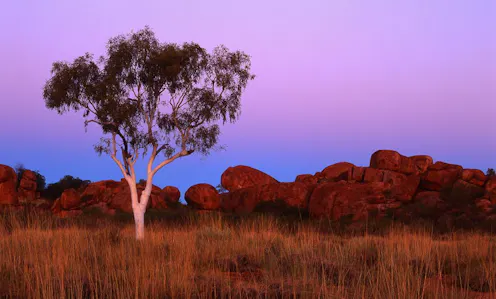
There’s a fine tradition of Australian poetry harnessing the corrective power of insult. In doing so, it prompts us to face hard questions about our history and identity.
- Emeritus Professor of Creative Writing, The University of Melbourne
Where Robert Frost might write a few lines soundly cut from the solid old tree of language and delivered in his mellifluous White Mountain voice, The way a crow Shook down on me The dust of snow From a…

There are several ways into the book Shaping the Fractured Self: poetry of chronic illness and pain, edited by Heather Taylor Johnson. And there are many uses it might serve in the multiple worlds of poetry…
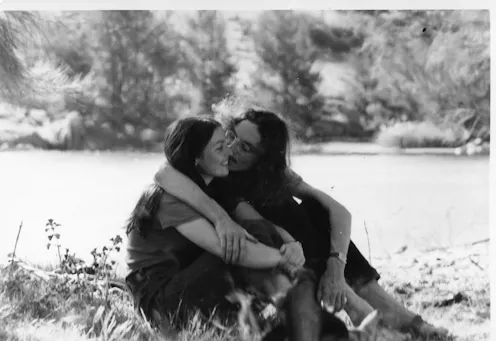
The lovers at the centre of The Green Bell - its author, Paula Keogh, and that passing meteor of Australian poetry, Michael Dransfield - met in the psychiatric unit of Canberra Hospital.
I have been editing the unfinished book of a poet friend who died after a too-brief fight with cancer. She kept writing until she could no longer think clearly about what she wanted in her poems. I was…
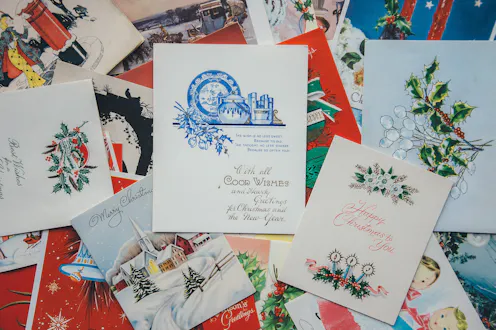
The beauty and delicacy of the Christmas story become in our consumerist hands a recipe for crassness and sentimentality. No surprise then, that poets are drawn to try to rescue it.
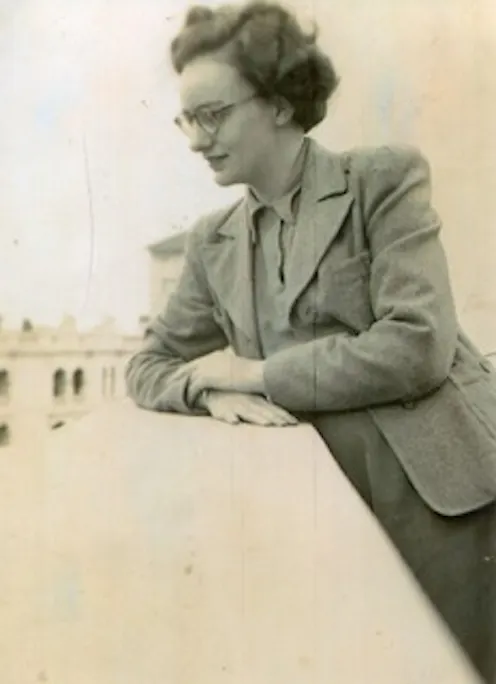
Judith Wright was possibly our greatest poet and a passionate social activist. But a new biography suggests that in writing her family memoirs, Wright avoided evidence that her settler forebears likely participated in the murder of Aborigines.
Adjectives have always been out there, mobs of them pressing on the outside walls, their faces against the windows, their shoulders at the doors. They just want to be inside close to all the nouns that…
What is a society without its poets? If all poetry disappeared from our libraries and shelves and virtual depositories tomorrow, would it make much difference to us? If we were forbidden to write poetry…

Your voice carries your character. You might have a light, strained voice, or you might have a deep, rolling voice, but that is not your voice. It is the prop you were given, and you use it as any good…
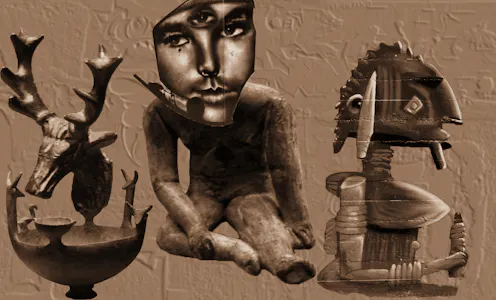
One thing bursts out of another. Christine Brooke-Rose, in A Grammar of Metaphor (1958), called it the genitive link. When Ballarat regional poet Nathan Curnow begins his poem The Lighthouse with, nuns…
I am living in a small, remote Aboriginal community where my wife is a school teacher. I have set myself the task of writing a poem a day for a year, and putting this poem on Facebook for my friends who…
Contact Kevin for
- General
- Media request
- Speaking request
- Consulting / Advising
- Research collaboration
- Research supervision
- Location: Melbourne, Australia
- Article Feed
-
- Joined
