
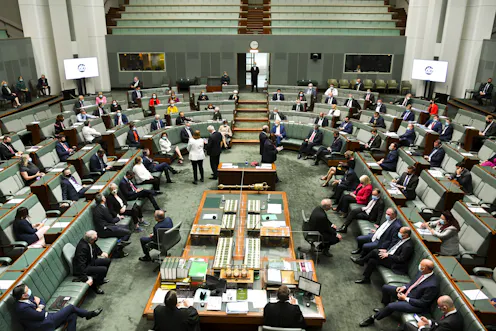
The Australian Electoral Commission has released parties’ financial disclosures for 2020-21. But our picture of what is going on with political funding in Australia is still woefully inadequate.
- Democracy Deputy Program Director, Grattan Institute

The Coalition’s increase in child-care subsidies is a step in the right direction, though much more needs to be done.
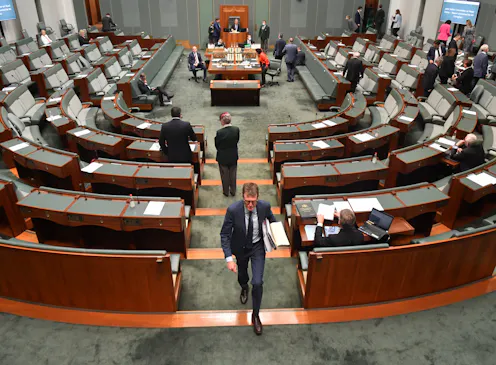
A good political donation disclosure system would close the loopholes that allow major donors to hide, while protecting the privacy of small donors.
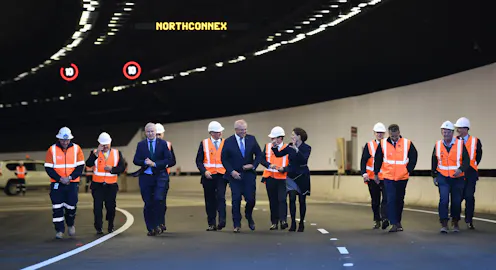
Women in particular seem to have been relegated in the 2020 budget to an afterthought.

Modest changes to Australia’s paid parental provision can help address the gender gap in unpaid and paid work between mothers and fathers.

Victoria’s closure of child-care services may be necessary, but it will put pressures on parents and likely drive down women’s workforce participation.
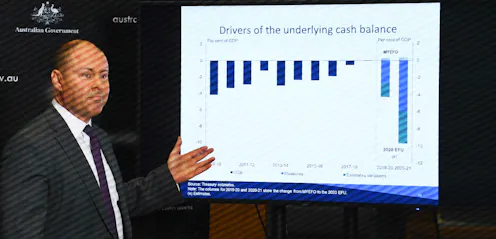
The economy will be in the doldrums for quite some time, but the budget can cope.

There is a strong economic case for a higher child-care subsidy to help rebuild the Australian economy after the coronavirus crisis.

Deferring rent won’t be enough to help businesses in empty shopping centres survive. They know they’ll have to pay it on the other side.

The release of political donations data reveals the impact of wealthy individuals in the 2019 federal election campaign, as well as the importance of a sizeable war chest to claim power.
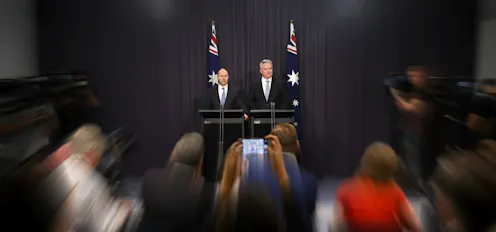
MYEFO contains a long-overdue admission: that low wage growth is the new normal. It’ll take extraordinary spending restraint to make the surplus forecasts stick.

A new Grattan Institute study finds that for the first time in a long time, young Australians are no better off than those who came before, and are likely to do worse.

The Stage 3 cuts would make Australia’s income tax system the least progressive in 60 years.
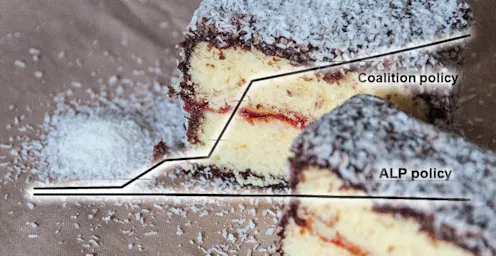
After some years the Coalition’s proposals would cost $40 billion per year more than Labor’s, but by then Labor will have probably cut tax further too.

Should the Coalition’s $300 billion of tax cuts ever be enacted, they would push the budget back towards deficit.

Corrupt politicians and public servants will be under the spotlight of the new federal corruption watchdog. But if its proposed powers are any clue, it will have neither bark nor bite. Here’s why.

Today the Commonwealth has released data on political donations. It shows high levels of donations from the gambling industry to political parties.
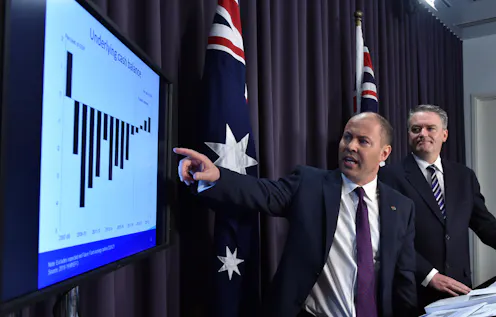
When assessed by the government’s own rules, MYEFO fails. The government is spending the latest revenue windfall even though it promised not to.
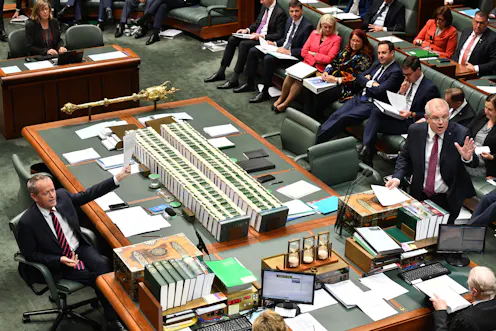
Almost all states have improved their accountability in recent years, and are far ahead of the Commonwealth government.
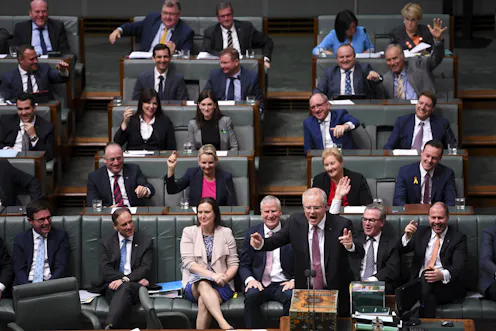
A new report from Grattan Institute argues the secrecy and inequality surrounding who has “say” and “sway” in Canberra can be remedied – if politicians can just find the will to do it.
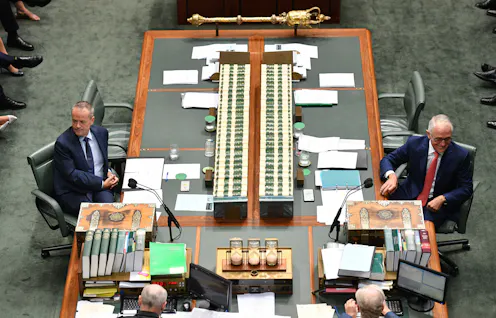
While the states are making improvements to their political donations laws and practices, Canberra still has a long way to go.
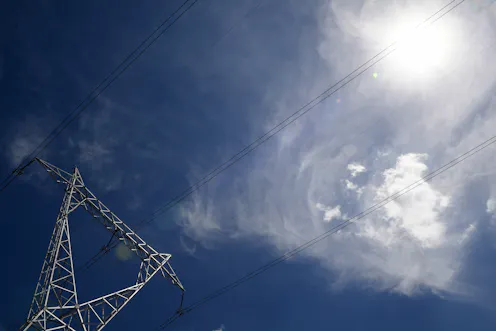
A new report has found that Tasmanians, Queenslanders and New South Welshmen are paying $100-$400 a year for unnecessary infrastructure.
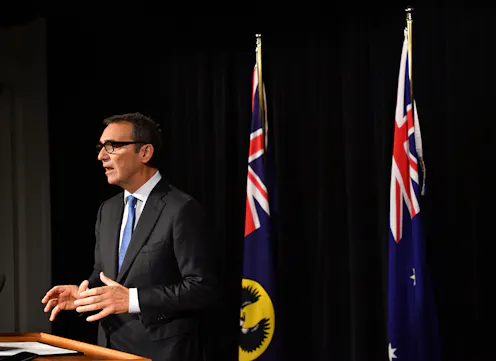
The end of Jay Weatherill’s government has removed a significant obstacle to progress on the federal National Energy Guarantee – even though we don’t yet know what the full policy will look like.
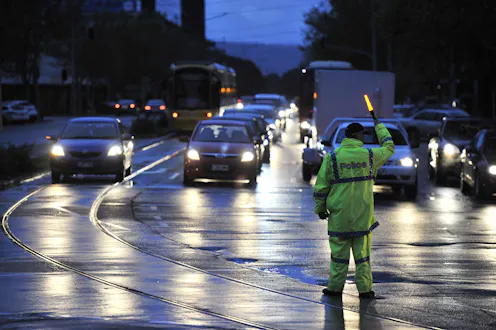
We have learned a lot in the year since South Australia’s lights went out, and have made some useful early reforms. But the energy sector and politicians need to chart a much steadier course in future.
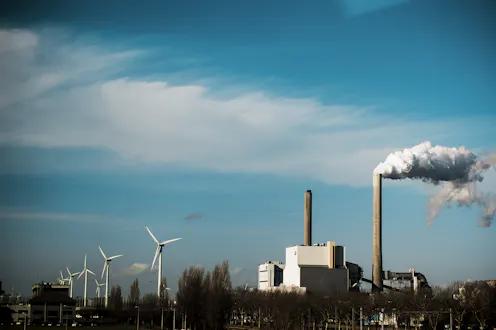
The energy security crisis has politicians leaping to unveil various schemes. But we don’t need piecemeal action – the Finkel review, due in June, aims to create a coherent new energy blueprint.
Contact Kate for
- General
- Media request
- Speaking request
- Consulting / Advising
- Research collaboration
- Research supervision
- Location: Melbourne, Australia
- Website
- X (formerly Twitter): @_kgriffiths
- Article Feed
-
- Joined
