
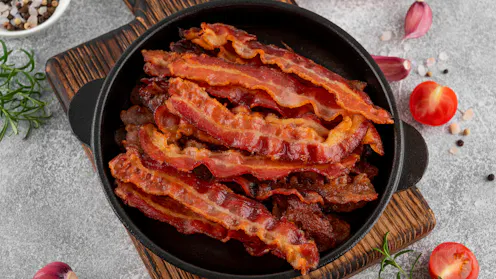
Scientists are urging clearer labelling on processed meats such as ham and bacon, and safer production methods to protect consumers from preventable cancer risks.
- Professor of Biomedical Sciences, Anglia Ruskin University
A 21-day water fast won’t ‘starve’ cancer or cleanse your body. Here’s why science says it’s not only a myth, but potentially dangerous

A low-cost LED-powered therapy that uses nanoscopic tin oxide flakes to kill cancer cells could make cancer treatment safer, more precise and more accessible.

While sunscreen remains essential, researchers say vitamin B3 may soon join the frontline of skin cancer prevention.
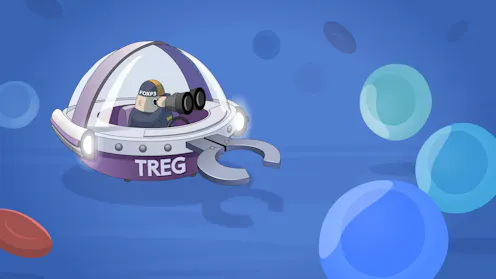
How this year’s Nobel-winning research could make cancer immunotherapy even smarter.
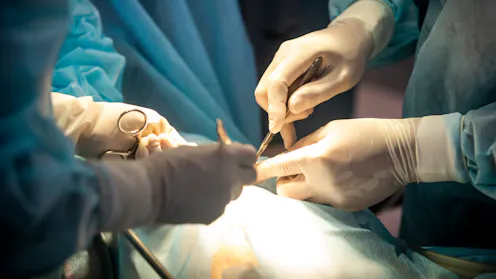
Surgeons are rethinking removing lymph nodes in cancer surgery as new evidence emerges.

Tattoos linked to lower melanoma risk but questions remain.

Recent headlines suggested that pregnancy-like food cravings or aversions are a telltale sign of cancer. An oncologist explains.

Most exercise lowers cancer risk, but a study raises questions about heavy endurance training and precancerous colon lesions.
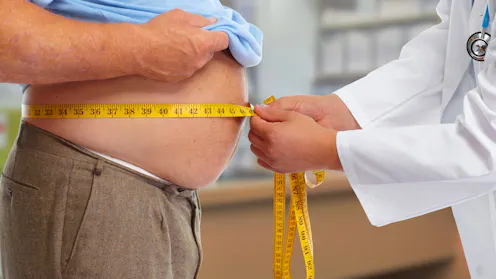
The habits that prevent disease may not be the ones that extend life.
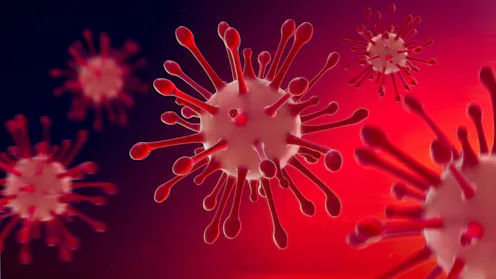
This recent study highlights just how great of an affect viral infections can have on our health in both the short-term and long-term.
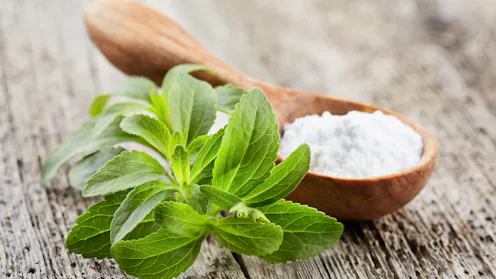
Fermented stevia may kill pancreatic cancer cells while leaving healthy cells unharmed.

Cientistas desvendaram o potencial poder curativo do fungo mortal responsável pela lenda da “maldição do faraó”.

Unlocking the healing power of a deadly mould.
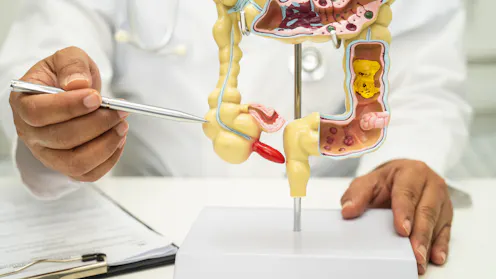
Pesquisadores estão trabalhando arduamente para desvendar o mistério por trás do aumento tão rápido dos casos de câncer de apêndice entre as gerações mais jovens.

Dinosaur fossils aren’t just relics of the past – they’re guides to the future.
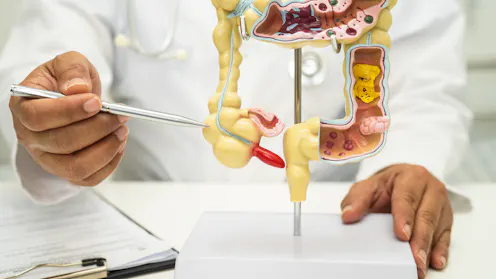
The puzzling rise of this rare cancer in young adults.

A raft of new studies on cancer and exercise show clear benefits. But a question hangs over the benefits of endurance runners.

Um estudo relacionou o ácido linoleico - uma gordura encontrada em muitos óleos comuns - com um tipo de câncer de mama agressivo, reacendendo o debate sobre como nossas dietas afetam nossa saúde.

Joe Biden, ancien président des États-Unis, souffre d’un cancer de la prostate. Cette maladie, qui affecte un homme sur huit dans le monde, est asymptomatique durant ses premiers stades.

Une étude menée sur des souris a établi un lien entre la consommation d’acide linoléique, un acide gras présent dans de nombreuses huiles de cuisine et le cancer du sein agressif. Quelles en sont les implications ?

With bone metastasis and a high Gleason score, Biden’s case is a reminder of the importance of timely screening and comprehensive care.
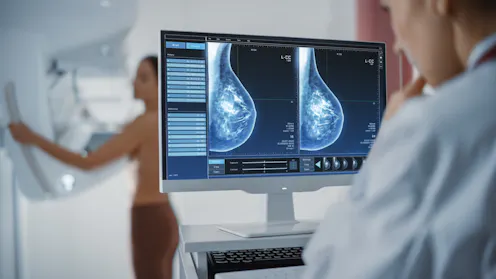
As breast cancer screening evolves, understanding personal risk factors like density is critical for improving early detection.
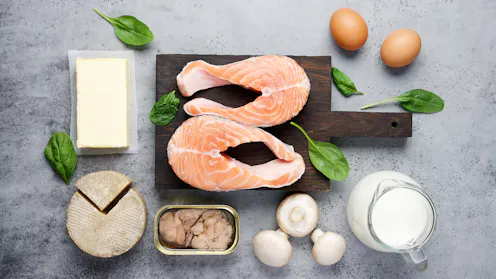
Diverses études ont mis en évidence l’existence d’un lien entre faible taux de vitamine D et risque accru de cancer colorectal. Mais augmenter les doses ne suffit pas à protéger la maladie. Explications.
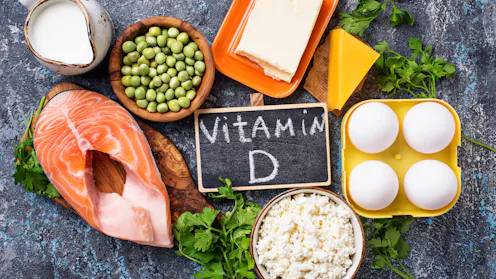
While low levels of vitamin D are linked with increased risk of CRC, there are no definitive answers. Here’s what we know—and why lifestyle still matters most.
Contact Justin for
- General
- Media request
- Speaking request
- Consulting / Advising
- Research collaboration
- Research supervision
- Website
- Article Feed
- ORCID
-
- Joined
