
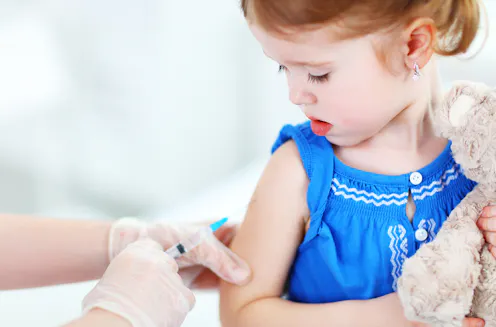
There’s no guarantee future COVID-19 vaccines will work in the elderly. So we can consider vaccinating the young first to protect them. Here’s what we need to work out first.
- Chen Su Lan Centennial Professor in Medical Ethics, National University of Singapore; Distinguished Visiting Professor in Law, University of Melbourne; Uehiro Chair in Practical Ethics, The University of Melbourne

Lockdown is a drastic solution to limit the impact of COVID-19 and has many costs, as this long read explains.

We asked five experts if DNA testing was worthwhile. Four out of five said yes.

Young people with gender dysphoria have high rates of mental health issues which makes conducting ethical research trials complex.

Athlete Caster Semenya will need to take hormone-lowering agents, or have surgery, if she wishes to continue her career in her chosen events. But the decision to ban her is flawed on many grounds.
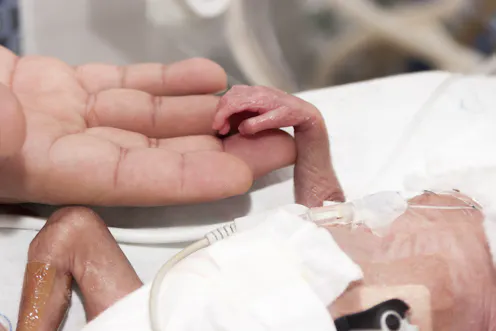
Science is creating new living matter – like stem cells grown to create brain tissues in the lab. With power comes responsibility and what matters is an ethical question, not a scientific one.

The assisted dying bill in Victoria – complex and significant – is engendering less heated debate than marriage equality although both tap into some of our most fundamental fears and motivations.
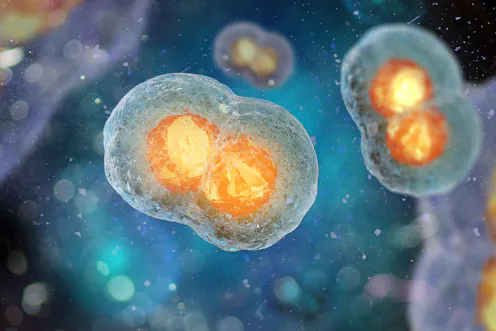
A landmark study in the UK discovered the gene that allows cells to form into embryos. If Australian researchers attempted this they could go to jail for 15 years.

William Isdale talks to Professor Julian Savulescu about the ethical implications of geneticaly modifying humans.

Eat less meat, save the world

A UK court has allowed a 14-year-old girl’s body to be frozen until doctors find a cure for the cancer that killed her. Is this latest example of cryogenics hope, hype or hell?

Drug analysis would allow young people to make more informed choices about what they are consuming and save lives.

The International Olympic Committee will allow Russians wanting to compete in the Rio 2016 Olympics the chance to do so if they can prove they’re clean to their sports federation.

“Love drugs” have their risks, but are also potentially liberating, so people must be free to make their own choices about what works best for them.

Government support for infertility treatment is approximately A$240 million a year. The question of whether it’s worth it is a complex one.

We have an intuitive bias against “artificial” drugs in favour of “natural” drugs, but that distinction is not only false, it is dangerous.

Effective altruists say you should make the greatest difference – here’s a better way to get people giving.

The family veto is morally repugnant unless removing it would result in a decrease in the supply of transplantable organs.

Experts from around the world are in the US to discuss the scientific, ethical and governance issues linked to human gene editing. Here are five reasons they shouldn’t ban research in the field.

The current anti-doping regulation clearly isn’t working. Perhaps it is time to change our approach.
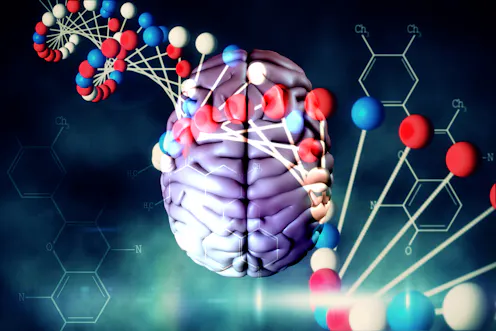
Recent research out of the UK has identified a genetic “general academic achievement factor”. Does this pave the way for genetically testing babies for intelligence?

Australia’s organ donation levels are low by international standards. At least twenty countries achieve better donation rates than Australia’s 16.1 donors per million population (DPM).

The High Court of Australia, for the second time, recently found that the National School Chaplaincy and Student Welfare Program (NSCSWP) is funded unconstitutionally, and so is invalid in its current…

There could be a way of predicting – and preventing – which children will go on to have low intelligence, according to the findings of a study researchers at Cardiff University presented on Monday. They…

Many children in Australia suffer from severe disabilities caused by things done before they were born, but most are not entitled to compensation for the harm they suffered and there’s no law to prevent…
Contact Julian for
- General
- Media request
- Speaking request
- Consulting / Advising
- Research collaboration
- Research supervision
