

You can drive across Singapore (population 5.5 million) in 45 minutes – roughly the same time it takes to reach Gawler from the Adelaide CBD. As an equatorial island, the climate is warm all the year round…
- Professor of Creative Arts, Griffith University
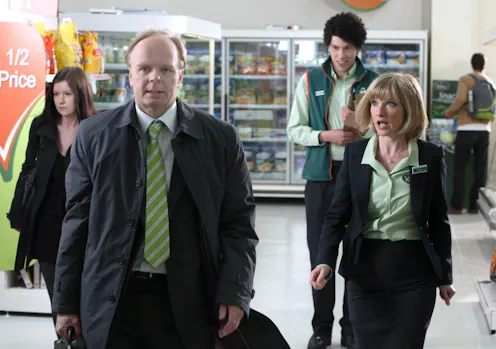
For the comic protagonist, the literary critic Northrop Frye once observed, life is something you get through. While tragic characters die in plangent splendour, and Marvel superheroes vanquish tech-spangled…
In the words of Jimmy Porter in Look Back in Anger, “the injustice of it is almost perfect”. Last week, Jason Potts argued here that the cuts made to around 60 cultural organisations under the Australia…
A ‘mortal blow’ to the South Australian theatre scene. ‘Inexplicable’ cuts to centres for photography in two states. The Australia Council’s latest funding decisions have left the arts sector reeling and are evidence of a government indifferent to culture.
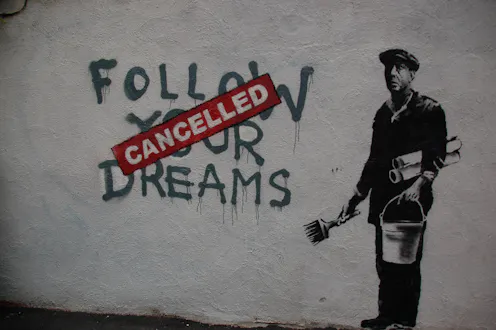
Last night’s budget failed to offer a compelling overall policy framework and vision for the arts in Australia. Like a Beckett play, narratively not much is going on.
In the beginning was the Word. And the Word was “innovation” – at least, it was this time round. In 2015, the Word was “excellence”. And in the antediluvian era of the 1980s and 1990s, the Word was, variously…
In Adelaide on Tuesday, a hundred-plus arts practitioners of different backgrounds rallied on the steps of Parliament House to protest one thing they all have in common: poor future prospects. In the lead…
While London and Stratford-upon-Avon go into meltdown over the upcoming anniversary of Shakespeare’s death, a new production – shown recently in Western Australia – is worth looking at closely.
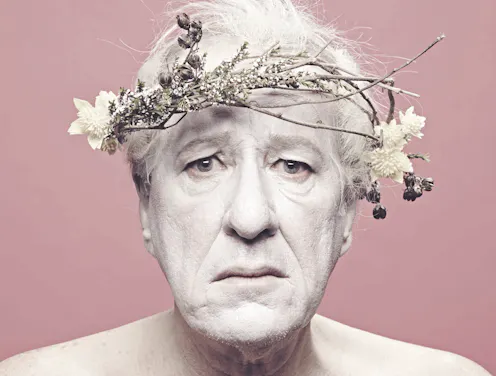
Lear’s mordant images and sonorous cadences throb with dire warning and a sense of imminent catastrophe. So what’s the play’s key message, for current times, with Geoffrey Rush in the title role?
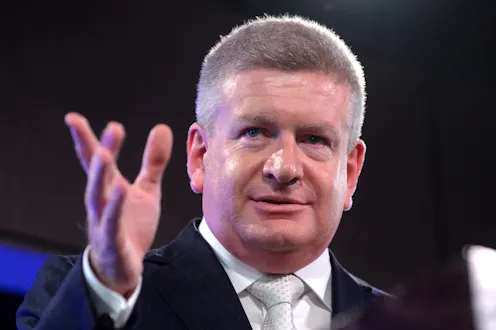
Following a sustained and vocal campaign by the arts sector, the controversial National Program for Excellence in the Arts has been rethought and renamed. Should we be celebrating or concerned?
What is creativity? Tomes as thick as car tyres have been written addressing this question. The recently-released Global Creativity Index offers some answers but that doesn’t mean they’re the right ones.
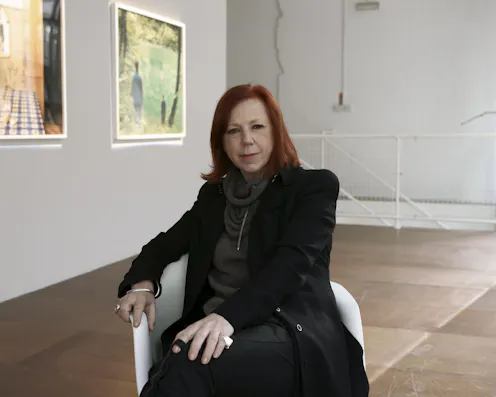
As a theatre director and supporter of the arts, Jules Wright was political, provocative and passionate. She was also overlooked in Australia’s obituaries when she died earlier this year. Why?
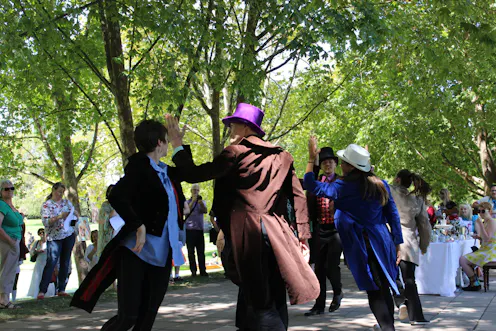
The Senate Inquiry into the 2015-16 arts budget cuts continued in Adelaide last week. If nothing else, it provided a timely reminder that art - and the lives of artists - matter.
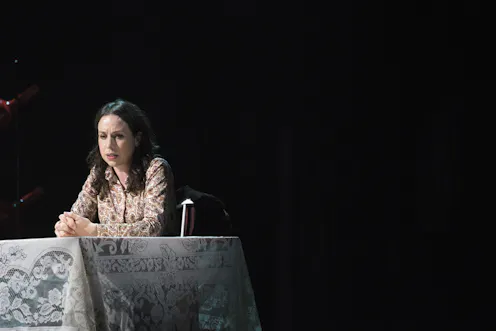
This production of a very great play by the State Theatre Company of South Australia is beautiful, clarified, and haunting. You will be relieved to know it is “excellent”. More to the point it is right.
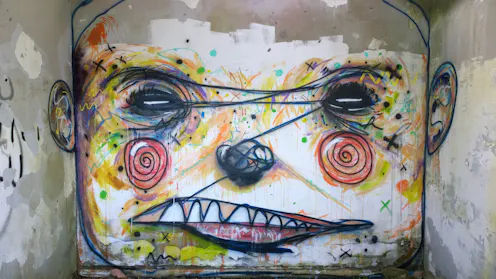
How can common standards apply to a sector with so much difference? Artists must take the opportunity to sharpen their minds as well as their rhetoric. The implications of the NPEA go beyond the polemical.
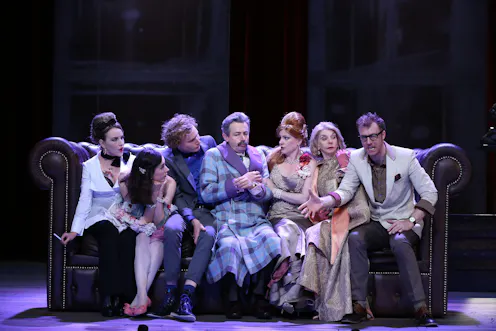
‘Theatre directors come in two kinds: “star” and “of use”. I’m in the latter category, which means that, for any given play, there are at least three or four other directors who could do it equally well.’
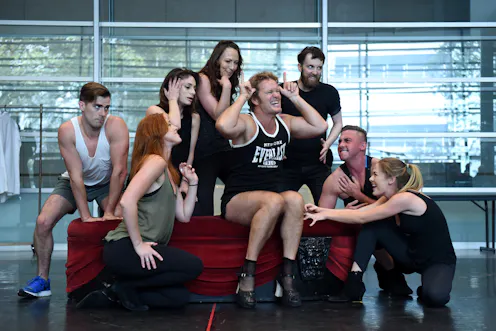
In cultural policy every good idea becomes a bad one if the context is confused. The fact there wasn’t initial clarity around the Program for Excellence indicates it will probably do more harm than good.

The more the 2015 arts budget is examined the less sense it makes. The changes contribute little strategically or politically – they just make an entire sector nervous. And culturally, they will improve nothing.
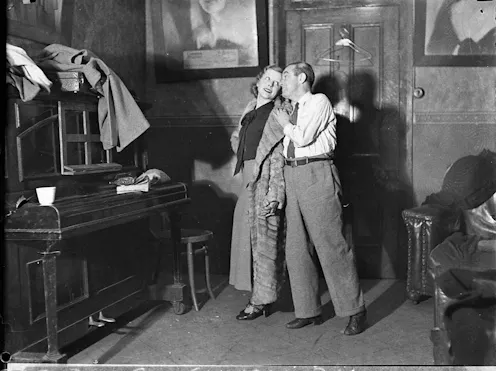
Playwriting occupies a weak position in Australian culture because its historical role is not to be “good”, but to be socially acceptable. We need now to take a modern attitude to drama.
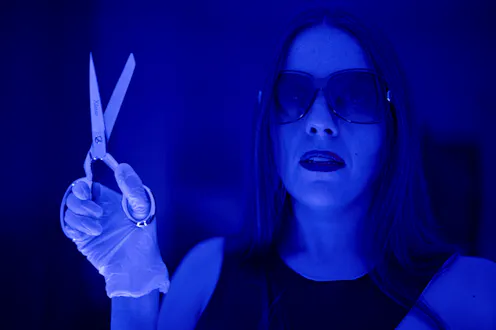
Drama involves an altered representation of reality – and the way we understand both the representations and the reality evolve. Duncan Graham’s recent play Cut shows how significantly those understandings change.
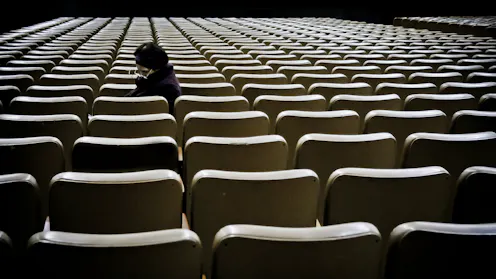
Many of the scholarly observations made about plays – who wrote them, when and why, their history, their canonical status, or not – are irrelevant. Audiences do not need to know such things.
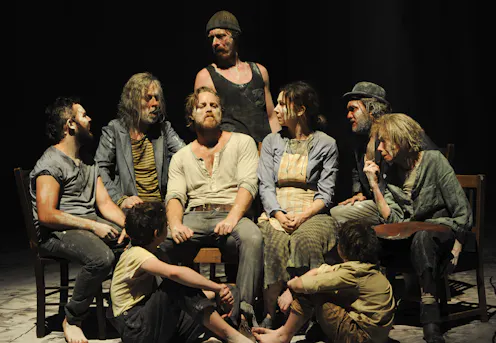
Anyone who has seen a play can tell you whether it “works” or not – but very few people can tell you exactly why. We all need a better grasp of this. Why? So that playwriting can better represent contemporary Australia.

Last week the South Australian premier announced major refurbishment of the Adelaide Festival Centre. The question is, what will these major works say about the kind of city Adelaide wants to be?
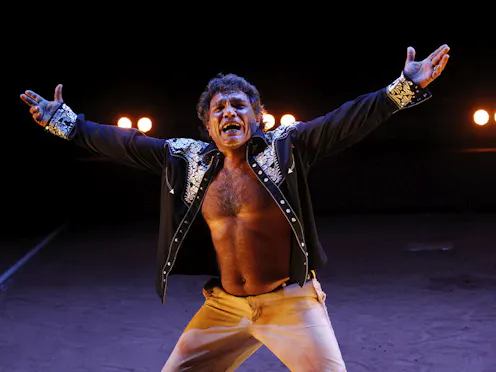
Theatre reviewing should be a public judgement pronounced with discernment. So what are we to make of those who do it badly?
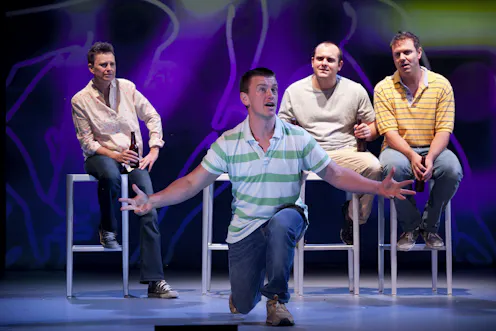
Sociologist Max Weber once called politics “the slow boring of hard boards”. If he had been in the arts he might have added, “using your head as a drill”. Australia’s cultural agenda often feels like an…
Contact Julian for
- General
- Media request
- Speaking request
- Consulting / Advising
- Research collaboration
- Research supervision
- Location: Gold Coast, Queensland
- Article Feed
-
- Joined
