
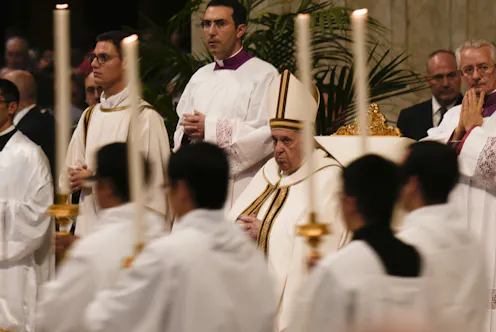
Catholics disagree over how to adapt the church’s doctrine and practices, especially marriage, to different cultures.
- Professor Emerita of Religious Studies, College of the Holy Cross
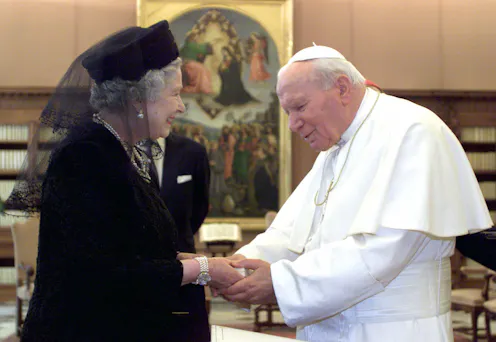
Queen Elizabeth II encouraged tolerance in a multifaith United Kingdom. To appreciate the significance of her efforts, it is important to understand the country’s complicated religious history.
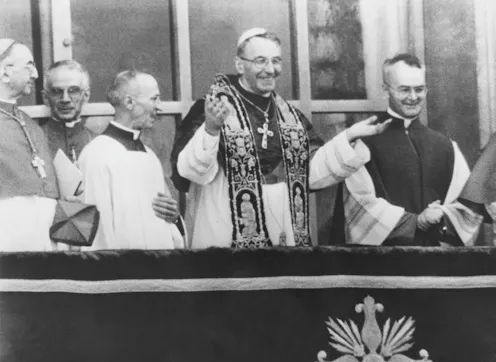
Popes’ roles have changed over time. Some periods produced plenty of saintly popes, while others are notorious for the opposite.
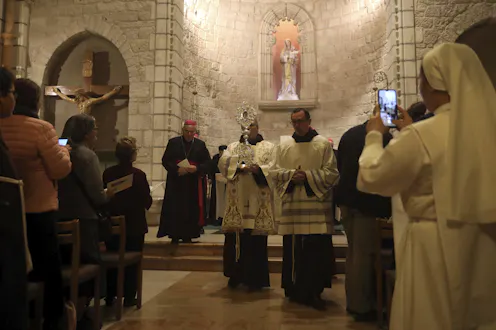
Relics often provided a way to bring more pilgrims into a church – and therefore, more offerings.
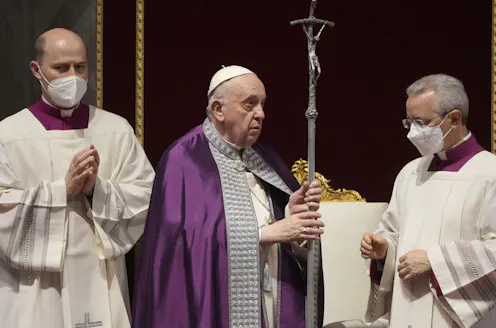
Malta’s St. George Preca was canonized in 2007. Pope Francis’ visit to Malta renewed attention on Preca’s life and work and how it could provide guidance for the welfare of refugees.
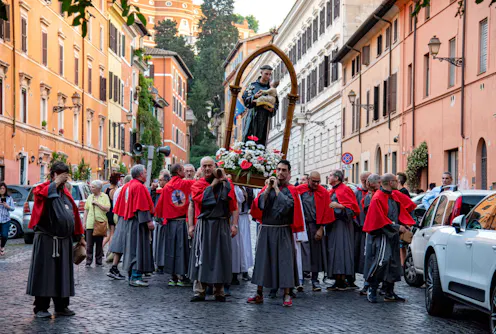
Saints are recognized for exceptional virtue and faith. But some also are commemorated for their scholarship.
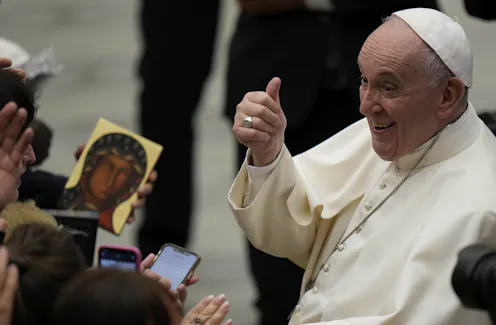
Environmentalism may seem like a new mindset, especially in the Church. But care for creation has been woven into Catholicism for centuries.
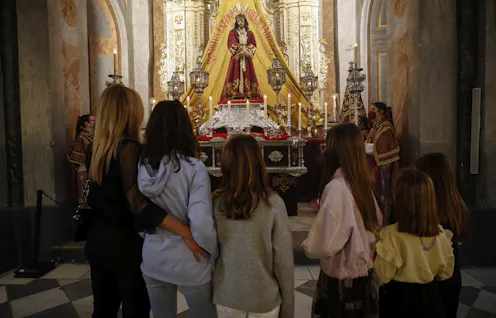
Prayers and symbols have the power to bind people together, writes a religion scholar, and so it is important to understand the history and context of Good Friday prayers.
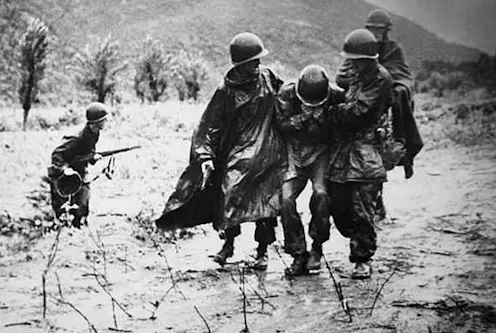
In early Christianity, soldiers could be baptized only if they refused to kill other human beings. While this changed over the years, tensions linger over Christian goals.
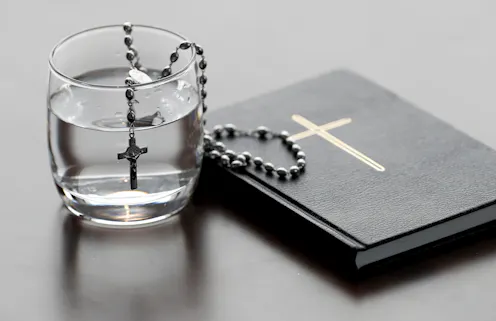
The 40-day Lenten season, when many Christians observe fasting, began in mid-February. A scholar explains how the practice may have emerged around the fifth century.
Many saints are venerated for specific reasons, professions or even nations. There are saints who are believed to provide assistance in selling a property.
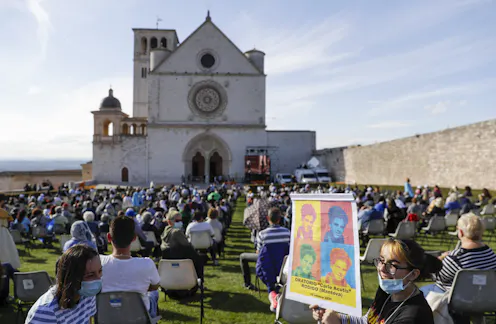
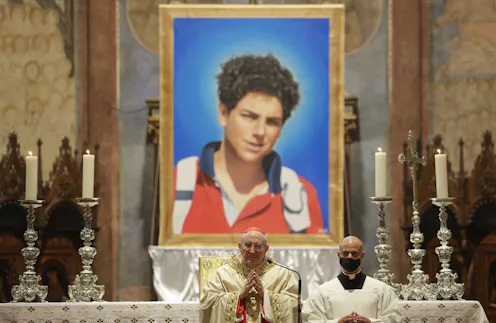
Italian teenager Carlo Acutis, who died at the age of 15, is on the path to becoming a saint. A scholar explains the long history of child saints in the Catholic Church.
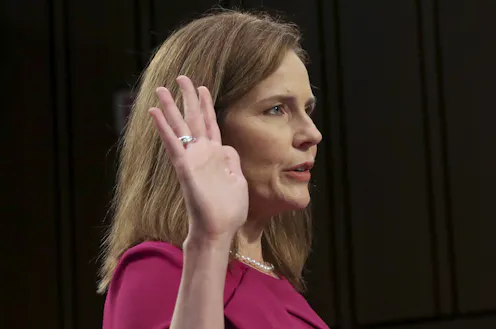
Taking oath is an important tradition before assuming charge of a public office. It entails a commitment to the future. What is the history of oath-taking?
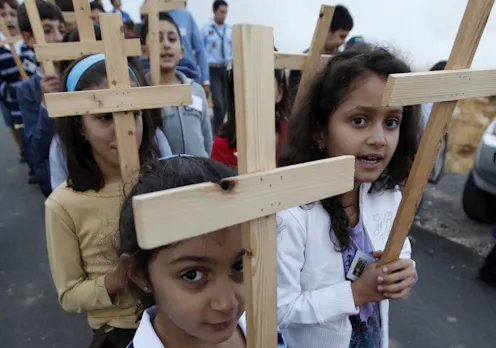
Sept. 14 is the the Feast of the Holy Cross celebrated by many Catholics and some other Christians. A religion scholar revisits the history of the cross, how it became a symbol of divine love, but also of violence.
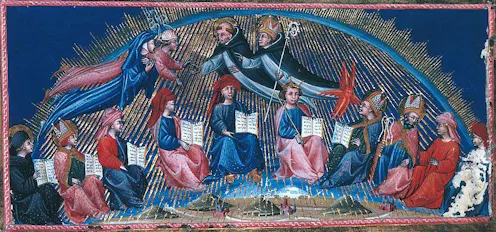
Different cultural groups respond with numerous, often conflicting, answers to questions about life after death. An expert explains the Christian idea of heaven.
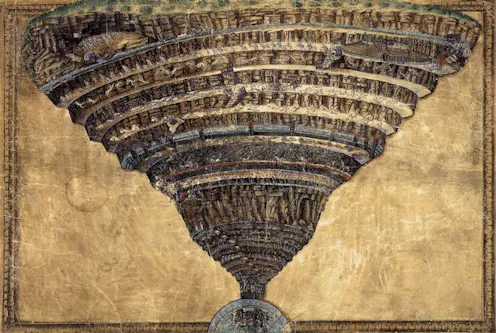
The meaning of hell might have changed over the centuries, but for devout Christians it remains a core part of their faith.
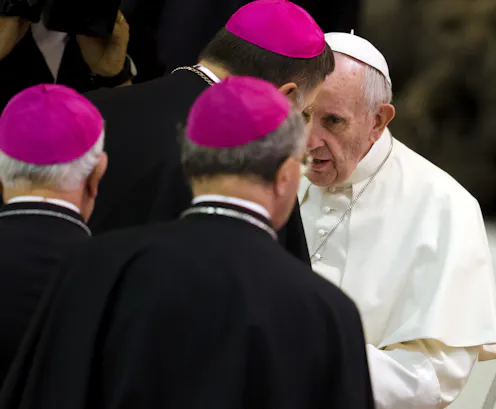
A liturgy expert explains that until the 12th century local bishops made decisions on Catholic liturgical practices even though the Catholic Mass was celebrated in Latin until 1970. How did that change?
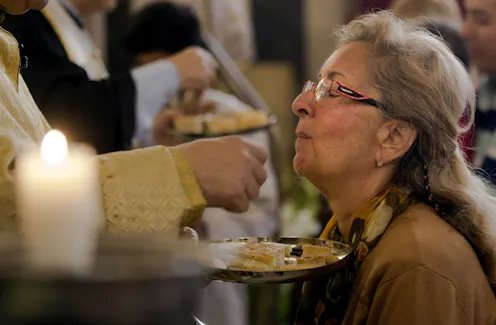
The Catholic Church prohibits the use of gluten-free bread for Communion. The reasons lie in the challenges faced by the Catholic Church in the past.
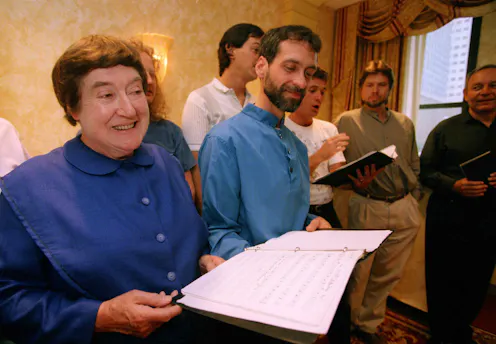
The Shakers prioritized harmony and a simple lifestyle. They were among the earliest proponents of gender equality.
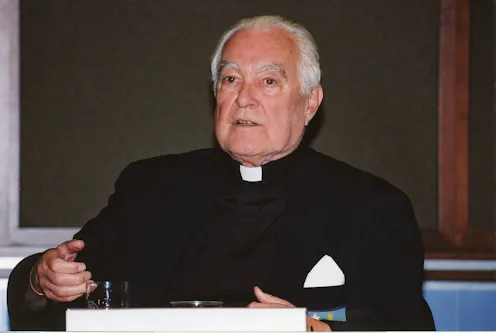
Notre Dame alumna reflects on the extraordinary life, work and the legacy that Father Theodore Hesburgh, president emeritus of the University of Notre Dame, leaves behind for Catholic institutions.
Contact Joanne for
- General
- Media request
- Speaking request
- Consulting / Advising
- Research collaboration
- Research supervision
- Location: Worcester, Massachusetts, U.S.
- Article Feed
-
- Joined
