
But the taxes have to be well-designed to avoid being overly regressive and targeting the poor.
- Associate Professor of Business, Boston University

An economist puzzles over why fireworks have been going off nightly across the country for so many weeks in a row.
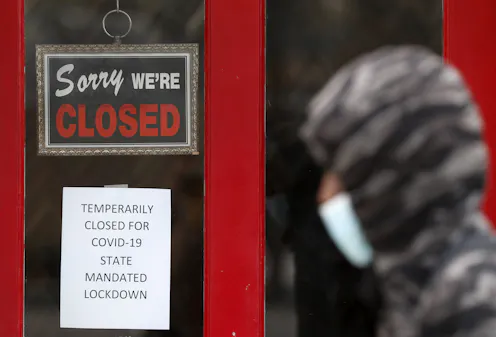
Several economists predict joblessness will eventually surpass the 25% rate experienced in 1933.
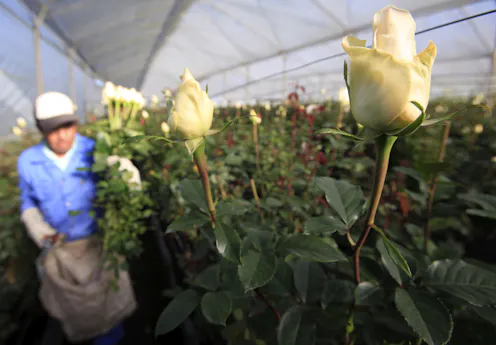
A program intended to reduce coca production ended up giving two Latin American countries a big boost to their flower power.
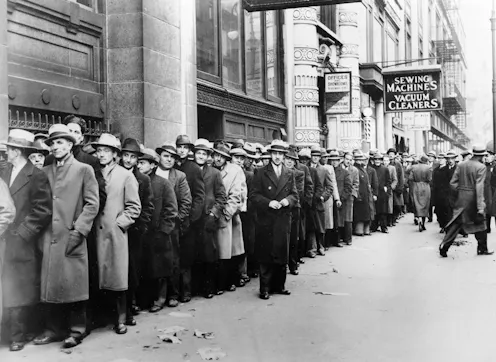
Some economists are predicting joblessness to surpass the record level experienced at the height of the Great Depression as 22 million people file for unemployment benefits.

The new coronavirus outbreak has prompted panic buying in the US and around the world, even in products that are abundant.
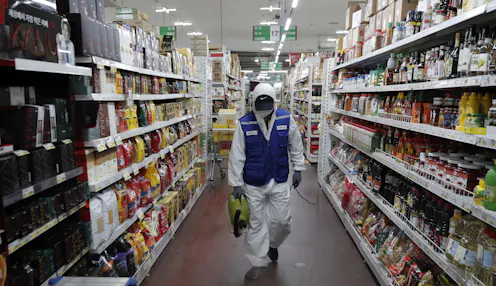
Unemployment insurance could soften the blow if the COVID-19 outbreak takes hold in the US. But the system currently isn’t designed to help workers in a pandemic.
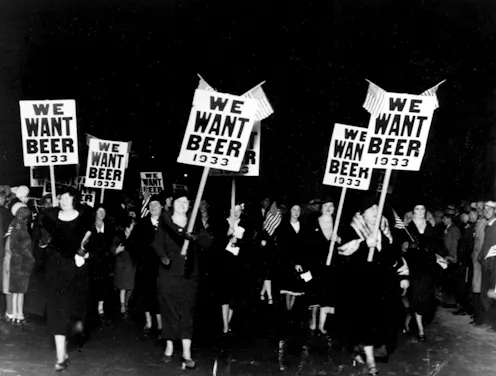
The era of Prohibition, which began in 1920 and ended in 1933, left many legacies – more modest drinking was not among them.

December 25 is the least popular day to give birth in the US, Australia and New Zealand, and second only to Boxing Day on Dec. 26 in England, Wales and Ireland.

Figuring out how much to spend on gifts can be stressful.

Halloween is yet another holiday that has become a mere ritual of America’s very conspicuous consumption.
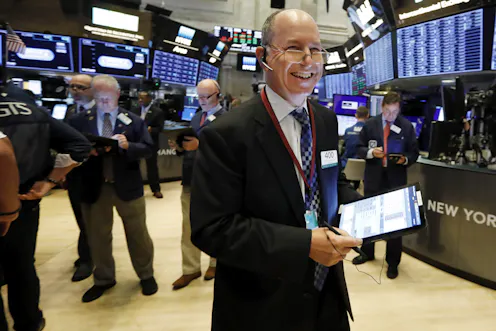
An economist unravels the seeming contradiction between stocks flirting with all-time highs and growing fears of a recession.

The day and a half it takes to get from New York to Singapore and back offers plenty of time to ponder the economics of ultra-long-haul flights – and wonder why we’d want to make it any longer.

Disney says the Marvel movie just beat ‘Avatar’ as the top-grossing movie of all time. Inflation tells a different story, as an economist explains.

It’s why Marvel’s effort to break the worldwide box office record is doomed, as an economist explains.
Facebook claims its new cryptocurrency will bring financial inclusion and opportunity to billions, pushing cash further to the fringes. Is that a good thing?
If headlines about bombings and airplane crashes are making you rethink your international travel plans this summer, a look at how many Americans actually die abroad should set your mind at ease.
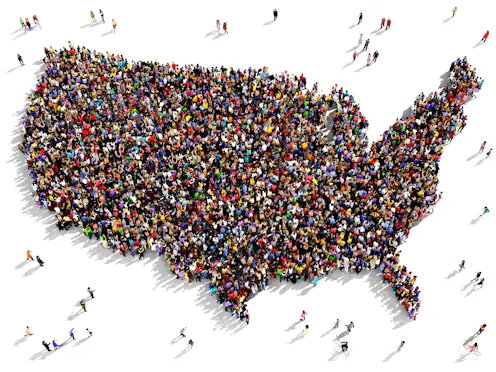
When President Trump declared the US full, little did he know he was wading into a centuries-old economic debate.

If tax seasons is stressing you out, a look at the worst things that could happen to you if you mess up – and why they’re so unlikely – may help.

A century ago, a three-minute call from New York City to San Francisco on a landline cost $500. Today, you can make the same call on a cellphone for a few cents.
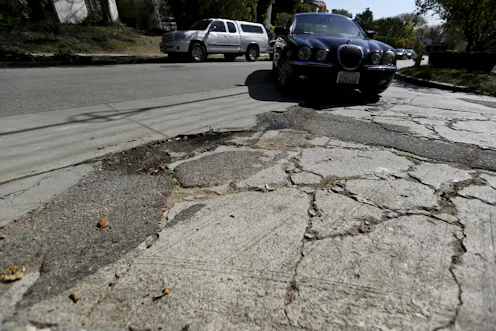
At the moment, fuel taxes pay for most of the maintenance of US roads, bridges and highways. What happens when the majority of cars no longer run on gasoline?
Le « shutdown » qui paralyse les États-Unis depuis trois semaines impacte aussi les salaires des fonctionnaires : certains sont sommés de prendre des congés sans solde ou de travailler sans être payés.
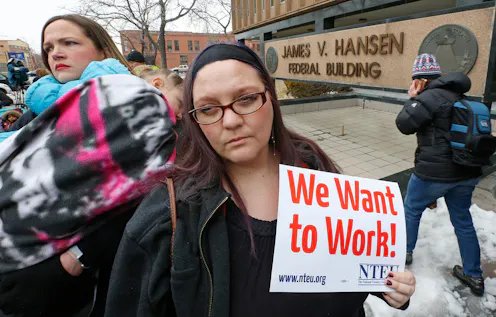
Because many Americans live paycheck to paycheck, the loss of even one can be a big financial blow for a family.

Most Americans underestimate how many calories nutritionists recommend they consume each day, which means maybe you can probably have one more treat without feeling guilty.
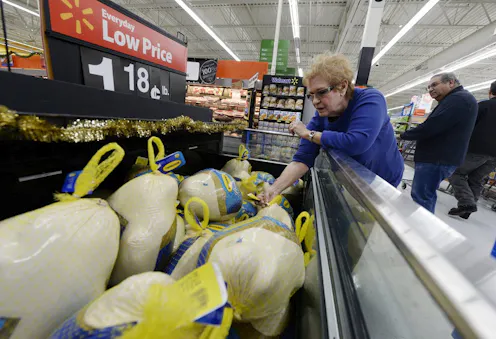
Millions of Americans will be shopping for turkeys in the coming days. An economist suggests a few things to keep in mind as you hunt for the perfect bird for your feast.
Contact Jay for
- General
- Media request
- Speaking request
- Consulting / Advising
- Research collaboration
- Location: Boston, Massachusetts, U.S.
- Website
- X (formerly Twitter): @prof_jay_z
- Article Feed
- ORCID
-
- Joined
