

COP conferences broadly provide a platform for the negotiation of international climate change agreements.
- Pro Vice-Chancellor, Climate, Sustainability and Inequality and Director, Southern Centre for Inequality Studies, University of the Witwatersrand

Greater urgency is needed in the response to pandemics, to end AIDS and to end COVID-19.
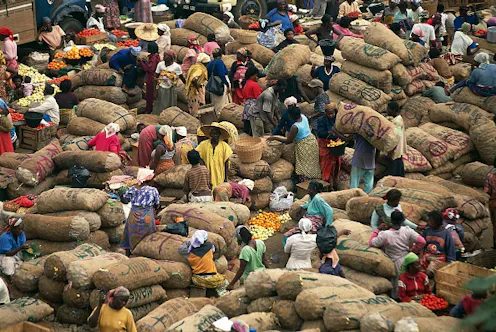
While inequality is a global problem, its growth is most pronounced and the political, social and economic challenges it poses are most complex and pronounced in the global South.
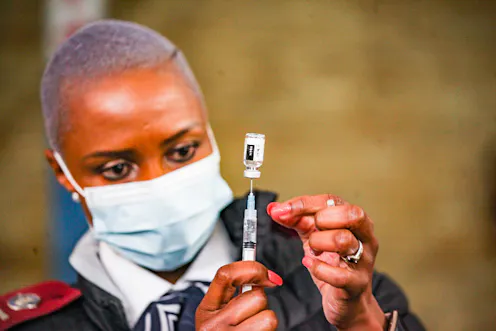
South Africa has clearly suffered the consequences of poor strategic decisions to this point. It doesn’t need to continue along these lines.
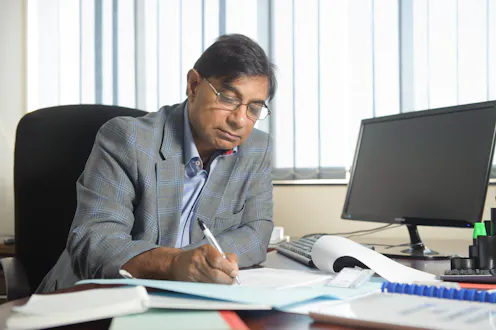
Vishnu Padayachee’s contribution to economics in South Africa is unmatched.
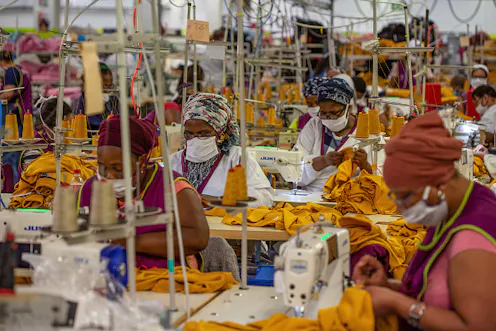
Companies being required to go public with information about executive and workers pay packets is increasingly becoming the norm.
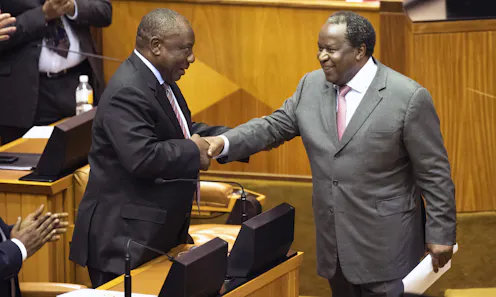
The budget is one of the key tools that government has to effect meaningful change.
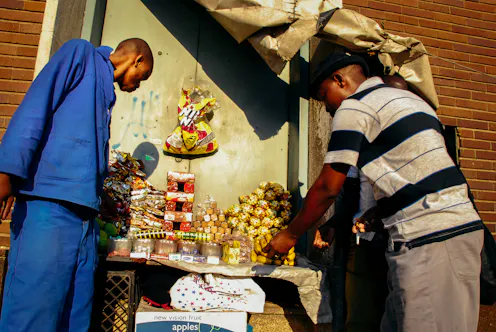
It will take a long time for the full economic impact of COVID-19 to be known, but a careful scrutiny of labour market outcomes over the next couple of months will shed some light.
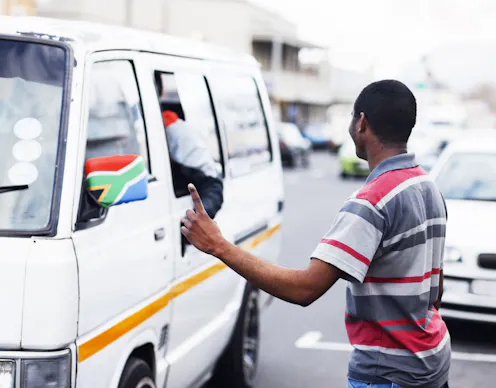
South Africa’s testing and tracing has not been at a level needed to suppress the spread of COVID-19. It must now focus on containing opportunities for super-spreading and transmissions.

South Africa should base its COVID-19 mitigation strategy on the premise that the pandemic will last for two years unless a vaccine is developed before then.
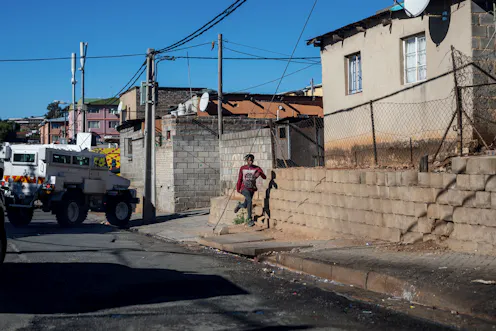
South Africa’s response to the COVID-19 pandemic was one of ‘intervene first and ask questions later’. Now is the time for government to state clearly what its strategic endgame is.
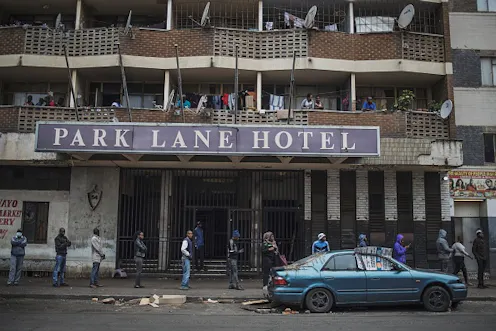
South Africa cannot afford to embark on a strategy of extended periodic lockdowns. It needs to shift to mass testing and contact tracing.
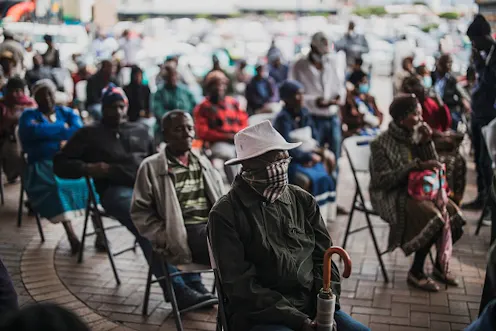
South Africa must develop a comprehensive health and economic strategy if it is to stop the COVID-19 pandemic without causing long term socio-economic damage.
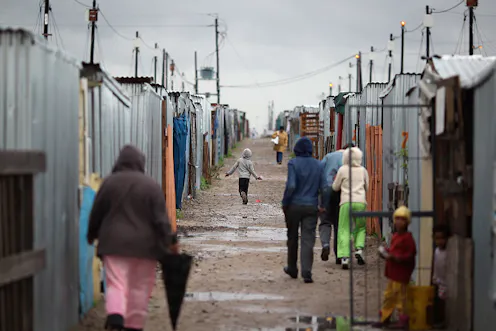
South Africa won’t flatten the COVID-19 pandemic curve unless all citizens have the means to stay at home. But for many, it’s either they stay at home and starving, or go out to make a living.
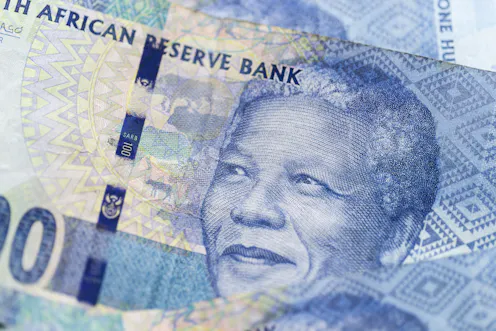
The debate about the mandate of the South African Reserve Bank must be located within a clearly articulated political vision and social compact on the kind of society South Africans aspire to.

South Africans debating the zero rating of certain products for VAT purposes must realise it isn’t a panacea for poor people and should be accompanied by other policies.

Extensive research has been done on poverty and inequality in South Africa but more is needed to better understand the status quo and mainly inter-sectional factors that drive inequality.

South Africa’s proposed national minimum wage must not be seen as a solution for all the country’s economic problems but as a floor to protect the most vulnerable workers.

Inequality remains one of South Africa’s major problems. Thomas Piketty’s visit to the country provides an opportunity to explore ways to deal with this problem.
Contact Imraan for
- General
- Media request
- Speaking request
- Consulting / Advising
- Research collaboration
- Research supervision
- Location: Johannesburg
- Website
- X (formerly Twitter): @ivalodia
- Article Feed
- ORCID
-
- Joined
