
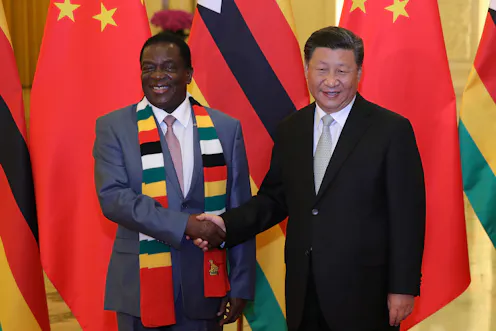
The more President Mnangagwa’s government fails to engage democratically with its own citizens, the more it will negate any prospect of re-engagement with the West.
- Extraordinary Professor, Department of Political Sciences, University of Pretoria
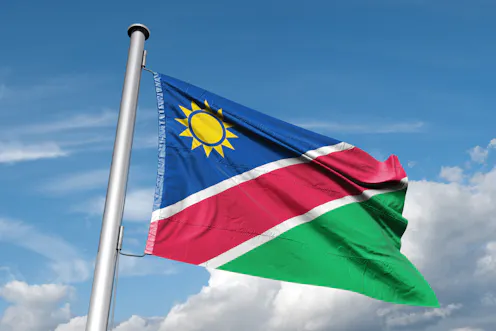
The November 2020 local and regional elections have indeed put Namibia’s political culture at a crossroads.
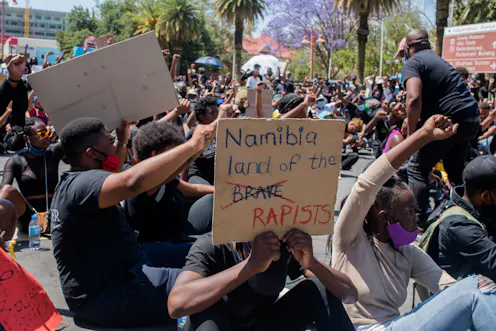
The protests carried on for days and continue to simmer in a country whose social fabric has been torn by toxic masculinity and a violent colonial past.
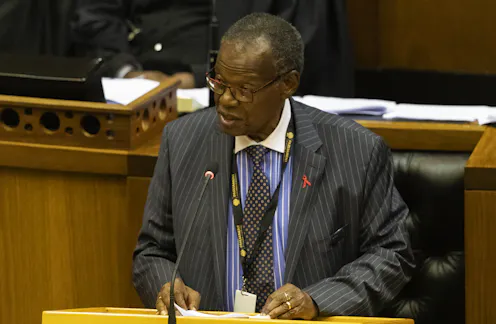
Mangosuthu Buthelezi deserves better than being dismissed as an apartheid stooge. But he deserves little praise as an advocate for human rights and civil liberties.
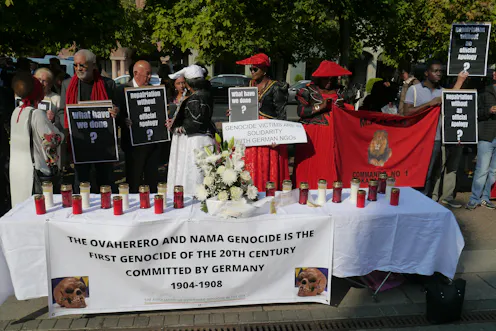
The culture of remembrance in Germany is viewed by many as exemplary. But it has some grave shortcomings.
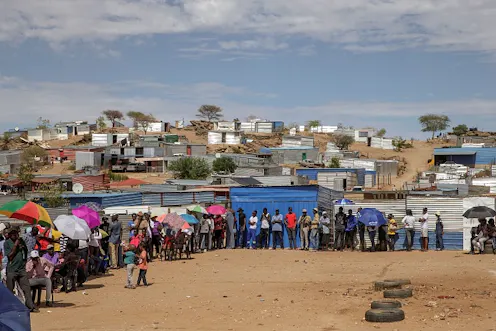
The hunger, frustration and desperation of ordinary Namibians should be first on the political agenda. But this isn’t the case.
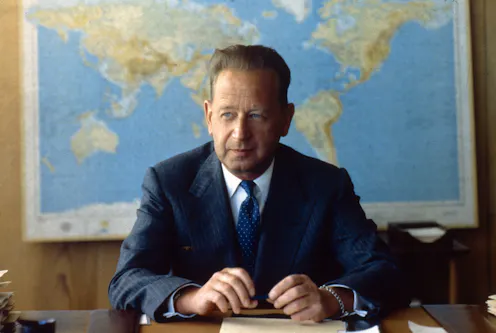
Does South Africa have skeletons in the closet over the death of the UN Secretary-General?
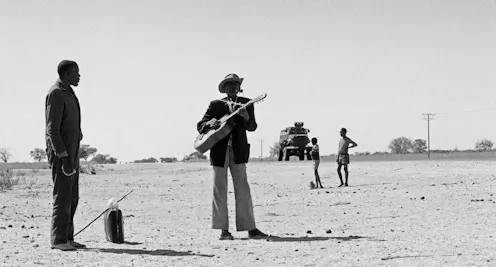
An archive project is restoring the secret history of Namibia’s resistance music culture from the 1950s to the late 1980s – suppressed and censored during apartheid but now touring the world.
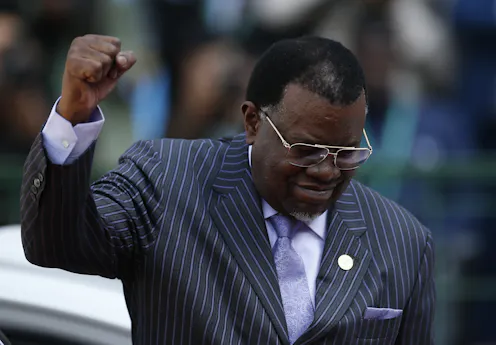
Namibia’s political stability so far has been vested in the dominance of Swapo. Those opposing its control face an uphill battle.

It remains to be seen how much longer the ‘old men syndrome’ will persist in Zimbabwe, Namibia and South Africa, despite growing frustration among the politically powerless.
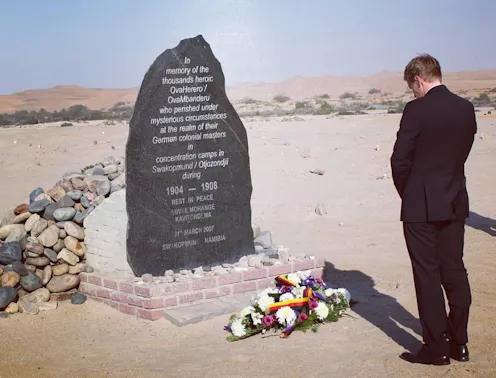
Germany praises itself for having declared a ‘special responsibility’ for Namibia since independence. But the relationship is viewed differently from Windhoek.
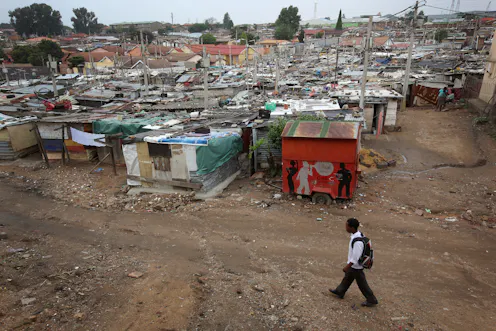
As South Africa marks 25 years of freedom, many citizens have to contend with the harsh reality that they can’t eat democracy.
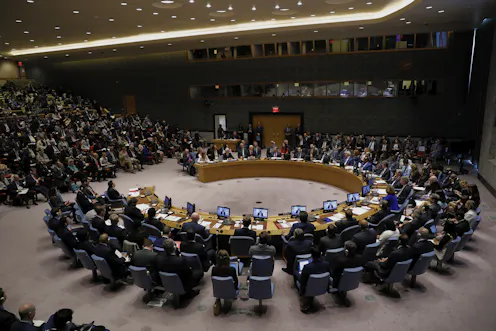
An international civil service matters for global governance. Without it, it would be impossible to promote and maintain a rules-based world.
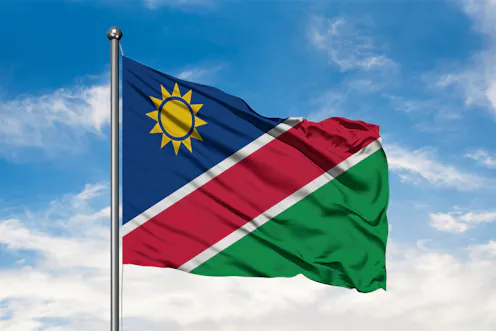
Swapo remains the dominant party by far in Namibia. But it seems increasingly unable to live up to its promises.
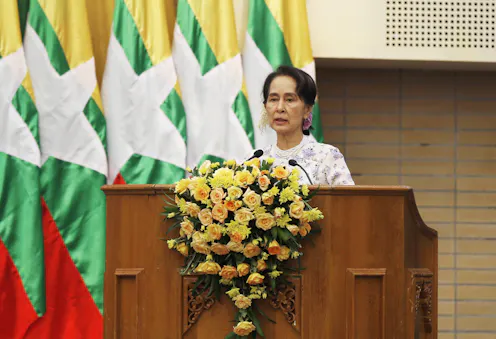
Human Rights Day might not be a reason for celebrations. But it’s a useful reminder of what’s been achieved over 70 years.
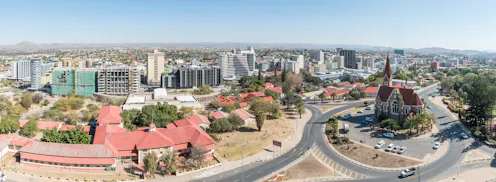
The question of land has been hotly contested in Namibia ever since independence.
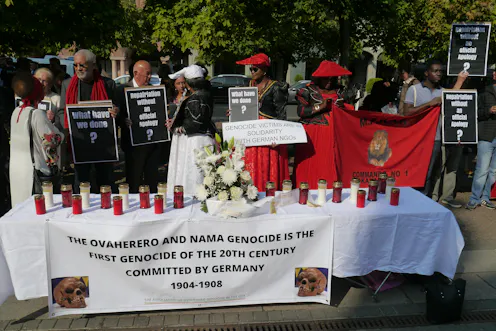
The third repatriation of human remains in August this year was another missed opportunity for reconciliation between Germany and Namibia.
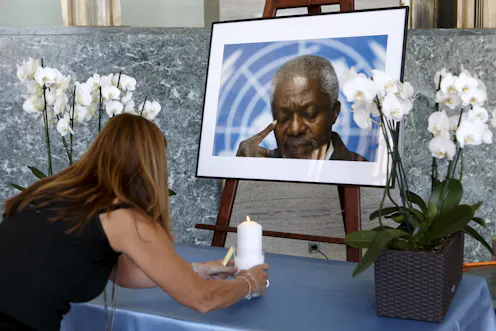
Kofi Annan and John McCain’s positive eulogies could be because both men seized moments of human dignity and decency.
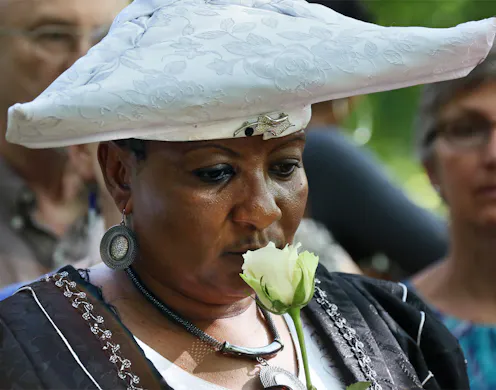
In mid-2015 the German Foreign Office after decades of denial seemingly acceded, in a very informal way, to labelling what had happened in South West Africa as genocide, is now backtracking.
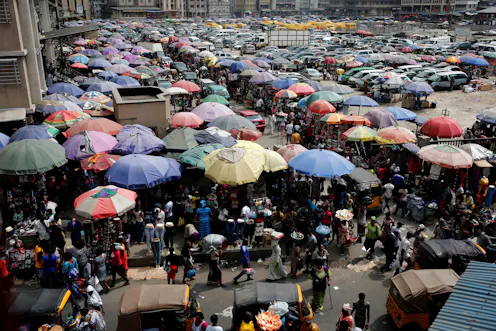
Scholars have started to investigate what it really means to be middle class in Africa.

We should be wary of simplified and sweeping explanations about the scope for potential social and political reforms the middle classes can promote.
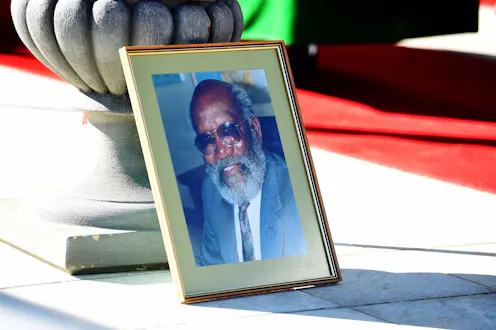
Andimba (Herman) Toivo Ya Toivo remained loyal to what made him the personification of the desire to live in an independent country governed by, and for, its people.
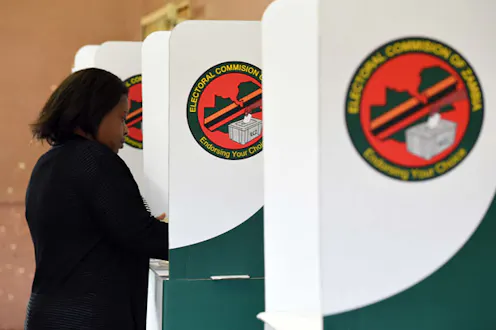
Democracy is in a parlous state in many countries in southern Africa. Autocrats hold onto power, while electorates have little to choose from at the polls.
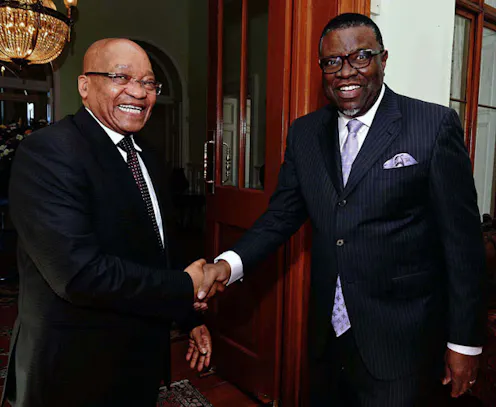
South Africa’s ANC and Namibia’s SWAPO, governing parties, enter crucial leadership elections this year, with presidents Zuma and Geingob both facing challenges.
The middle class concept in Africa has remained vague and limited to number crunching. The minimum threshold for entering it in monetary terms was critically vulnerable to a setback into poverty.
Contact Henning for
- General
- Media request
- Speaking request
- Consulting / Advising
- Research collaboration
- Research supervision
- Location: Uppsala, Sweden
- X (formerly Twitter): @HenningMelber
- Article Feed
- ORCID
- Joined
