

The new COVID management plan relies on each of us assessing our own risk of COVID.
- Associate Professor, Epidemiology, Deakin University
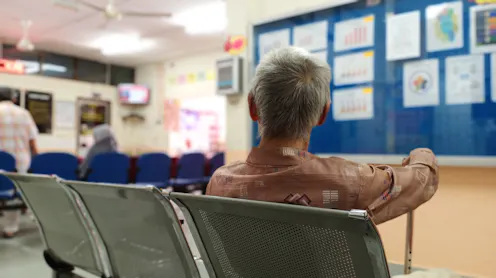
The post hoc fallacy is one of the most common errors in thinking we are susceptible to when trying to make sense of events.

Isolation will no longer be mandatory when you have COVID, but you should still test for it and stay home if you’re positive. Here’s why.

If someone who lives in a six-person household gets COVID, you’d expect, on average, two others to get it too.

The spread of a virtual disease in the online game World of Warcraft appeared to have relevance to understanding real world epidemics like COVID.

Data suggests most of the time infection results in either no symptoms or very mild disease for cats and dogs. And the duration of their symptoms, if they get them, may be very short.
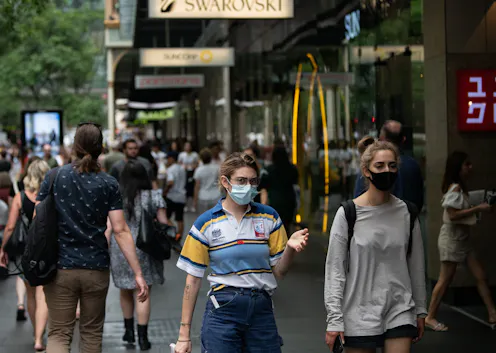
Just because a variant spreads faster, it doesn’t necessarily mean it has a higher R0.

Achieving herd immunity via vaccination was always going to be a hard ask. Now it’s mathematically impossible.

With the right training, dogs can sniff out more than 90% of COVID cases.

Having most Australian adults gather at polling booths seems like a COVID disaster waiting to happen. What measures are in place and how can you limit your risk?

Imagine if the PM had caught COVID two years ago? We knew so little about COVID with certainty back then, and what we did know was truly frightening. Here’s what’s changed since then.

How can something be bad for you one day, and good for you the next? This study highlights the problem of correlation and causation.

We can’t say whether longer Omicron survivability on surfaces relates to a greater risk of infection.
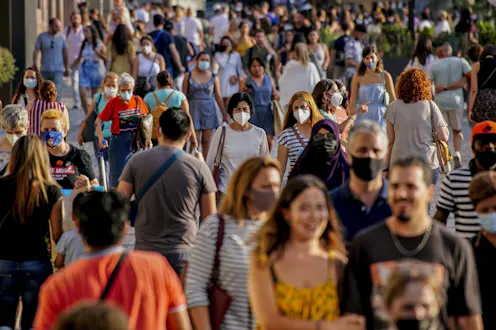
Endemic doesn’t mean we drop our guard, surrender to the virus or downgrade the threat the virus poses to individuals and the community.

What did Melbourne and Victoria get right, and wrong, amid the pandemic?

The potential risk of easing restrictions will be managed through a continued focus on outdoor activity and greater freedoms only for those who are vaccinated.

Many Sydneysiders have been heading to beaches in their local areas as the weather warms. So, if it’s allowed under the public health orders for your area, is it OK to go to the beach?

Some people think there’s a choice of living more freely and not having the virus spread uncontrollably and causing widespread illness and deaths. But there isn’t, until enough of us are vaccinated.
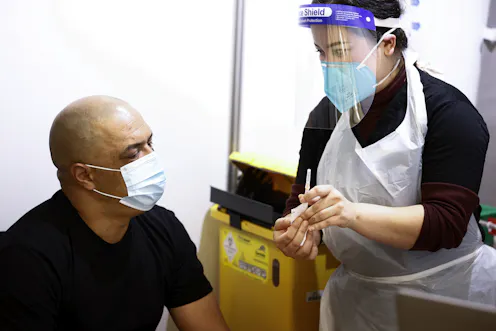
ATAGI is grappling with competing concerns, considerable uncertainty, and a constantly changing landscape.

To come out of lockdown, health authorities want to see that all cases are linked, and that potentially infectious people are quarantining before they test positive. This still isn’t happening.
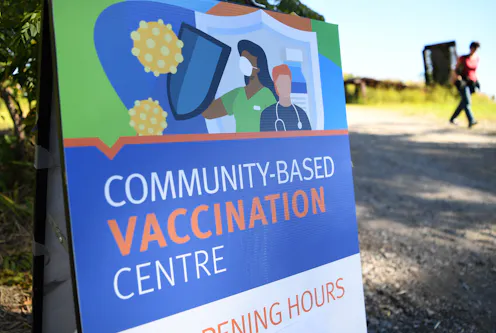
Our brains cannot easily understand tiny risks so we tend to overestimate them. That’s when we need a little extra help to make the best decisions about our health.

Who’s a good doggie? Sniffer dogs might one day be able to screen people for COVID-19 in large crowds. But not when they’re hungry or need a good lie down.
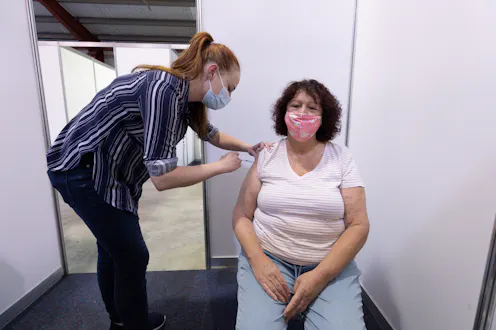
Many over 50s seem to be asking this question. But there are a number of reasons it’s important to go ahead and get the AstraZeneca vaccine now.

Another city, another snap lockdown, and another round of asking whether it will successfully prevent disaster this time, or whether the coronavirus has already spread undetected through the community.
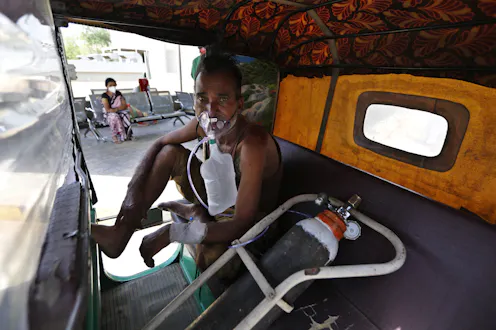
The response to the crisis in India speaks to the complexity of public health decision-making.
Contact Hassan for
- General
- Media request
- Speaking request
- Consulting / Advising
- Research collaboration
- Research supervision
- Location: Melbourne, Australia
- Website
- X (formerly Twitter): @DrHassanVally
- Article Feed
-
- Joined
