

Children of women who take paracetamol during pregnancy may be at higher risk of developing attention-deficit hyperactivity disorder (ADHD), a new pilot-style study suggests. But experts warn this should…
- Professor of Midwifery, Associate Dean Research and HDR, Midwifery Discipline Leader, Western Sydney University
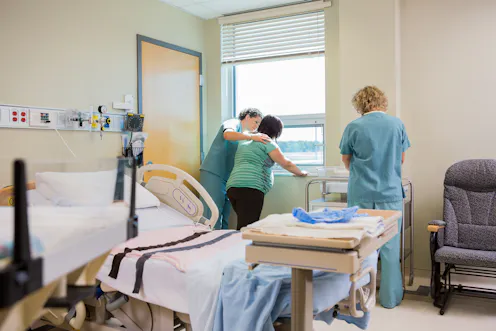
In the much-loved British TV drama Call the Midwife, women are offered care from dedicated midwives through pregnancy, labour and birth. The midwives are therefore able to get to know the women and practice…
The risk of serious complications in childbirth, such as stillbirth, preterm birth, low birth weight, and death within the first 28 days is twice as high for babies conceived by assisted reproductive therapies…
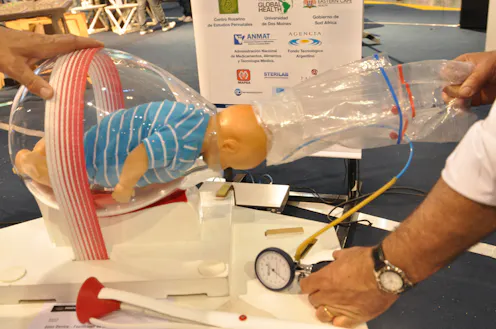
There are three ways a baby can be born: a spontaneous vaginal birth where the mother pushes the baby out herself, an instrumental vaginal birth where forceps or vacuum extractors are used to pull the…
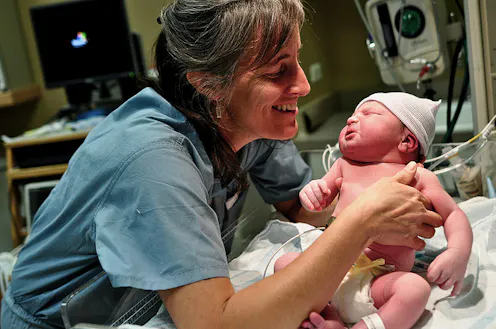
A woman who is cared for by the same midwife throughout her pregnancy, labour and after birth saves the public health system around A$550, a new study has found, debunking the myth that it is an expensive…

Research we have just published shows the deaths of 48 of the 129 women in New South Wales who died during pregnancy or within a year of giving birth were due to suicide and trauma. It suggests mothers…
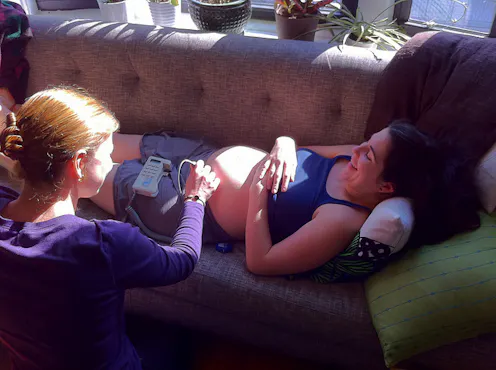
Women who have a midwife as their main carer throughout pregnancy and birth are around 23% less likely to have a premature baby than women whose care is shared between different obstetricians, GPs and…
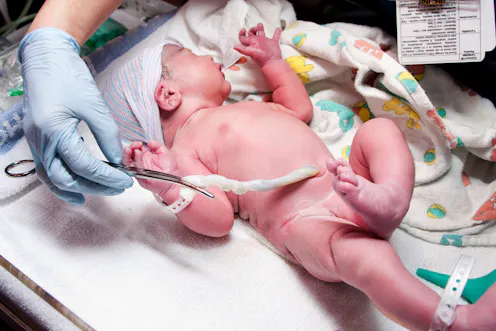
The most common surgical procedure in the world today - one that every human alive today has undergone - is the clamping and cutting of the umbilical cord at birth. The need for clamping and cutting the…

Women who give birth at home as part of a publicly funded home birth program have an overall low risk of problems such as stillbirth, postpartum hemorrhaging and emergency cesarean section, a new study…
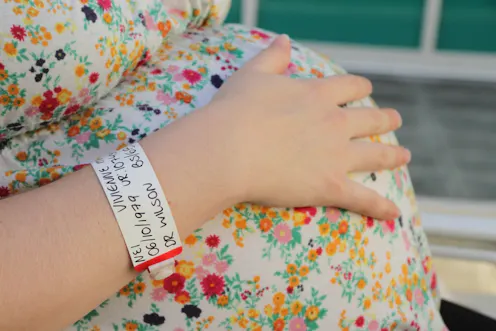
Think of childbirth and you’re likely to picture a woman lying on her back on a hospital bed. That’s the position most (78%) Australian women adopt to give birth birth, despite growing evidence that being…
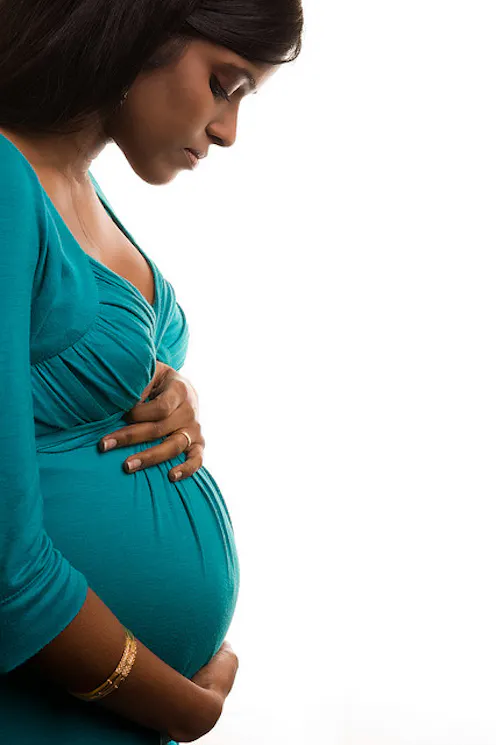
Some groups of migrant women in Australia are at a higher risk of medical interventions in childbirth that may lead to health problems for the mother or child, a new study has found. Medical interventions…
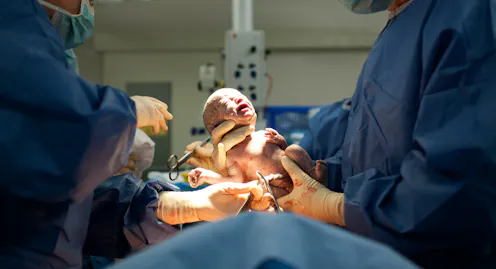
Despite efforts to reduce intervention rates during labour, vaginal births without medical intervention are becoming increasingly rare in Australia and overseas: nearly one in three women in Australian…
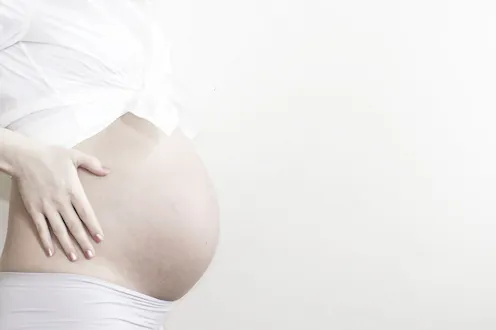
“Women aren’t dolphins” is a phrase often bandied about by those who question why women want to immerse themselves in pools or warm baths during labour and birth. They forget that we’re not mountain goats…
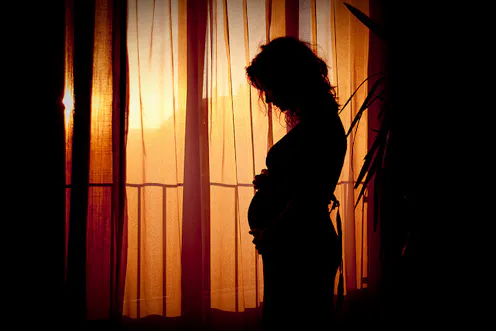
Women have the right to determine what happens to their bodies; and this includes where and how they give birth. But from July 2013, private midwives may not be able to legally provide their services…
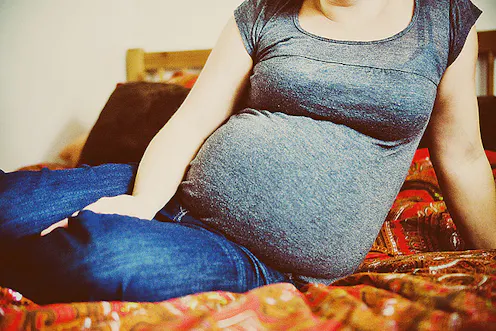
We live in a world with many different perspectives on risk. Entire professions now exist to advise us on how to recognise, avoid and manage risk. And the maternity and obstetric professions are no different…
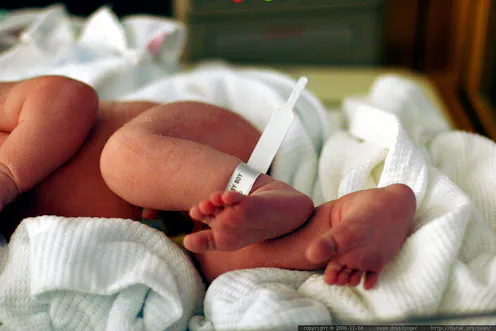
The proportion of Queensland women giving birth via caesarean section has increased by a staggering 74% in the past 20 years. This wouldn’t be of concern if more babies’ lives were saved as a result but…
Contact Hannah for
- General
- Media request
- Speaking request
- Consulting / Advising
- Research collaboration
- Research supervision
