
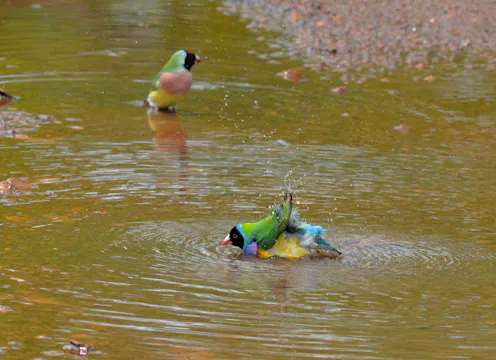
This autumn, embrace puddles. Even tiny pools of water can be essential for birds, trees and pets — from washing away chemicals on leaves to forcing worms to emerge.
- Senior Research Associate, School of Agriculture, Food and Ecosystem Sciences, The University of Melbourne
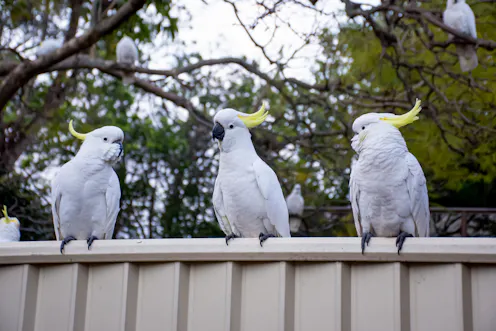
I collected data about my neighbourhood sulphur-crested cockatoos while stuck home in Melbourne’s lockdown. I learned that each bird can eat 200 onion grass plants per hour.
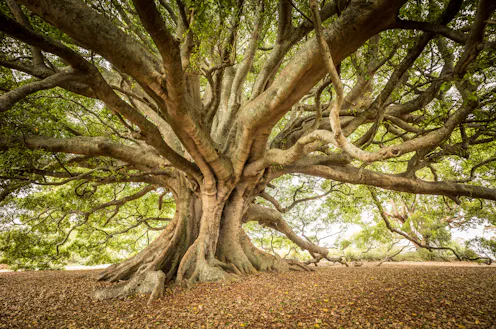
As you swelter during this heatwave, it may not be all bad news for our urban and natural environments. Sometimes, positive outcomes arise when and where we least expect them.
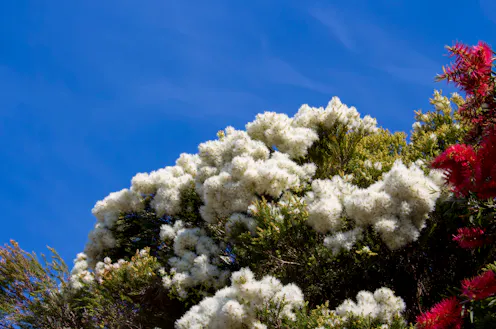
In many parts of Australia, the trees are in full flower in December. But once they start you must be quick to catch sight of them, the impressive flower show doesn’t last more than a couple of weeks.
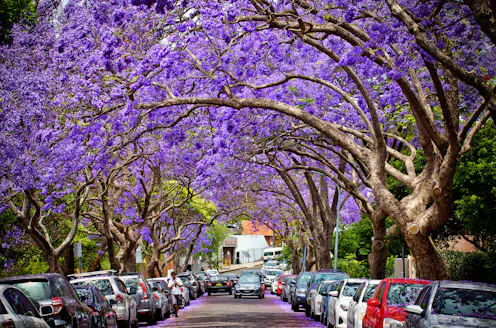
Over spring and early summer, jacarandas and their purple haze line many Australian streets. But how much do you really know about them?
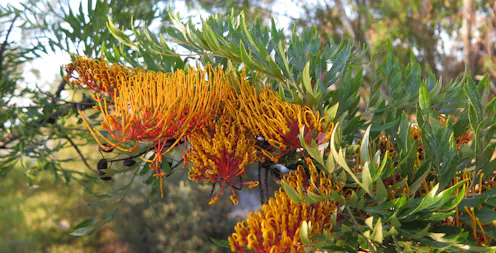
Silky oaks, or Grevillea robusta, are in bloom. These hardy, attractive trees light up the sky in late spring – but handle with care.
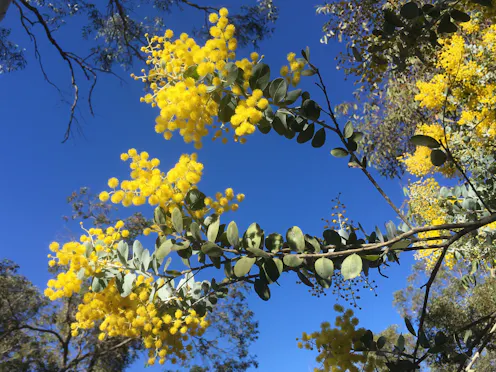
With their vibrant blooms and a lineage tracing back to the ancient supercontinent of Gondwana, wattles have a lot going for them.
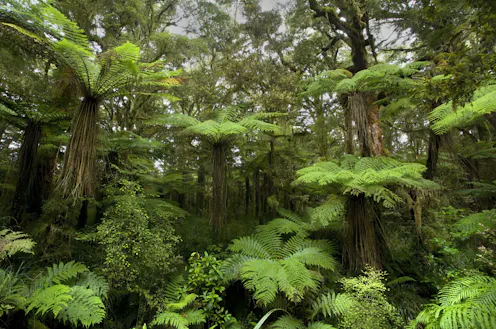
They’re a familiar sight on forest walks and long drives, but tree ferns are more fascinating than you may have realised.
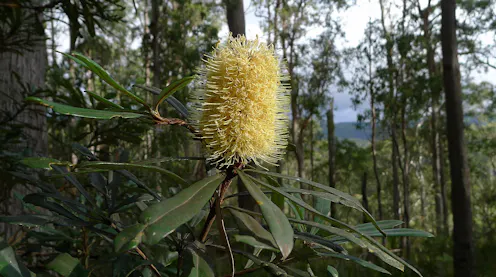
The plant takes its name from the colonial botanist Joseph Banks, but the coastal banksia’s history goes way back to ancient times.
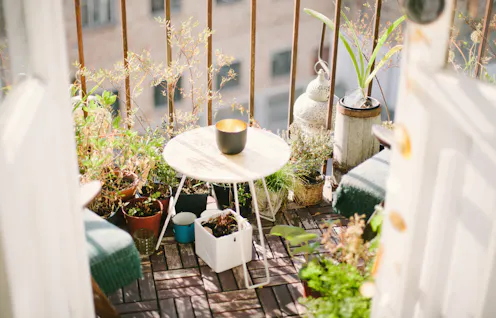
A behavioural science expert, a botanist, an environment media expert and an entomologist suggest ways to connect with nature in your garden.
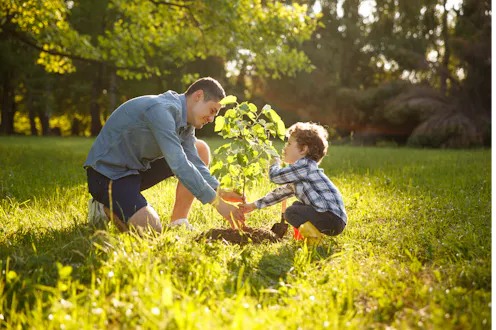
In a warming world, trees can play a major role in keeping cities and your home cool. If you plan it right, they can even save you money and protect your home from bushfires.
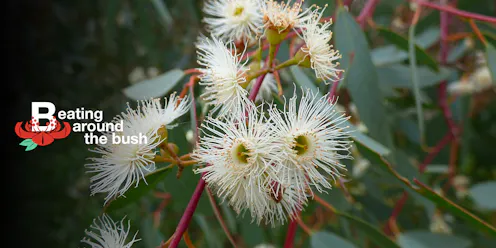
Red gums connect the continental fringes of Australia with its arid heart, marching along waterways.
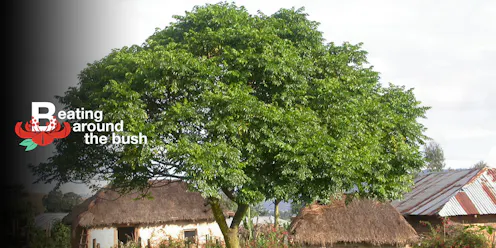
White cedar grows across Asia and Australia, as a hardy and resilient deciduous.
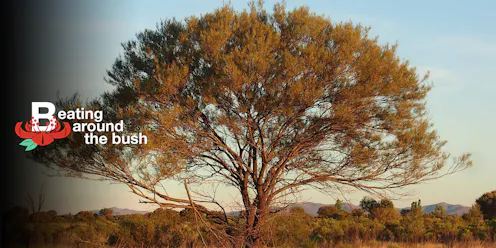
Mulga is an Aussie icon: hardy, adaptable, and absolutely everywhere.
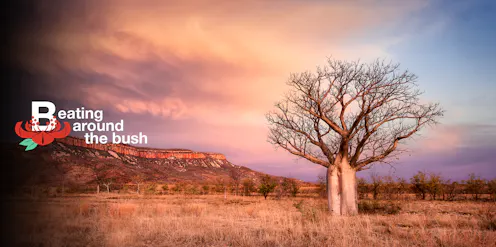
The leaves, when boiled, can be eaten like spinach. The seeds can be roasted for a coffee substitute, and the pulp can be fermented to make beer.
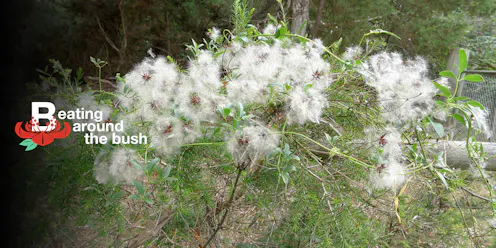
What grows everywhere and looks good doing it? Clematis aristata.
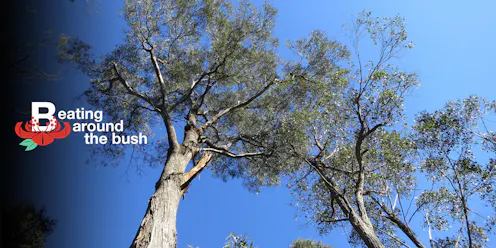
One of the great Australian trees – messmate stringybark, Eucalyptus obliqua.
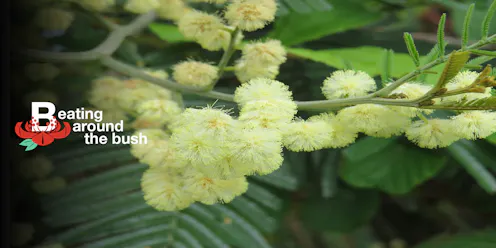
Black wattle is part of Australia’s iconic acacia family, but it’s largely regarded as a pest overseas. But this fast-growing plant is a boon to gardeners, improving soil and sheltering other plants.
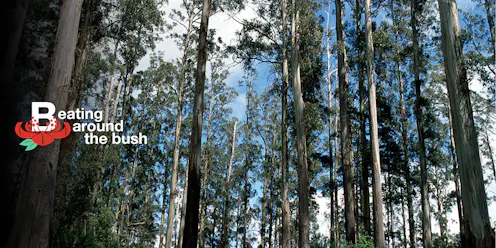
The majestic Eucalyptus regnans stands far above its forest brethren.
This is an article from Curious Kids, a series for children. The Conversation is asking kids to send in questions they’d like an expert to answer. All questions are welcome – serious, weird or wacky! Why…
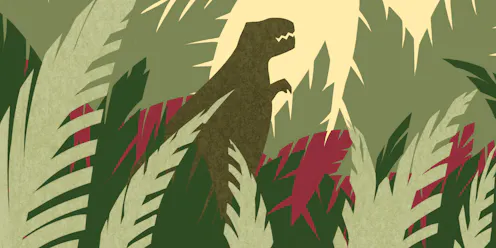
Ferns came along more than 200 million years before the dinosaurs walked the Earth. They were food for plant-eating dinosaurs and they’re really great survivors. Heather, age 8, wants to know more.

When botany and linguistics collide: pumpkins are fruits and there’s technically no such thing as a vegetable. But try telling that to a five-year-old and see how far you get.
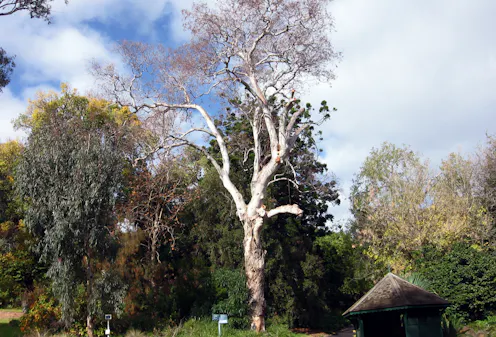
Tree vandals after better sea views or with political goals deprive everyone of the benefits trees provide. Despite costing local councils thousands in replacement trees, they are rarely caught.
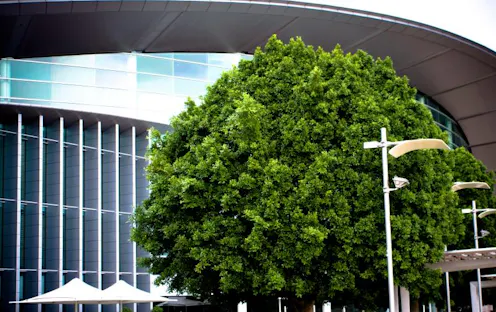
Perhaps it is a pity that so many Australians think of our parks, gardens, streetscapes and urban landscapes only in terms of their aesthetics. While green spaces are beautiful and decorative, these attributes…
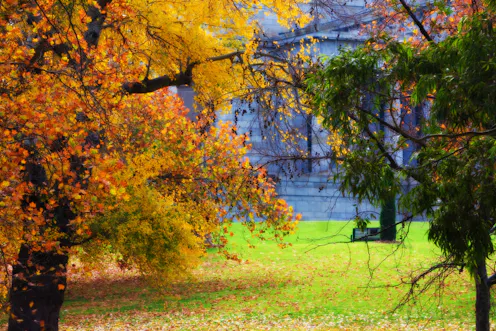
If you’ve been for a leisurely stroll in your local park recently, you’ve probably noticed that autumn is in full swing. All manner of brightly coloured leaves cover the ground and this fact alone is cause…
Contact Gregory for
- General
- Media request
- Speaking request
- Consulting / Advising
- Research collaboration
- Research supervision
- Article Feed
- Joined
