
We cannot rely on technology development alone to deeply cut Australia’s emissions. Other policies and more money will be needed.
- Professor, Crawford School of Public Policy and Director, Centre for Climate and Energy Policy, Australian National University

Having a carbon price is linked to lower emissions growth. A larger price cuts emissions by more.

Governments are throwing billions of taxpayer dollars on stimulus measures after COVID-19. But they must do it diligently, and transparently.
Changes to Australia’s emissions reduction policies may do little more than channel taxpayer money to industry.
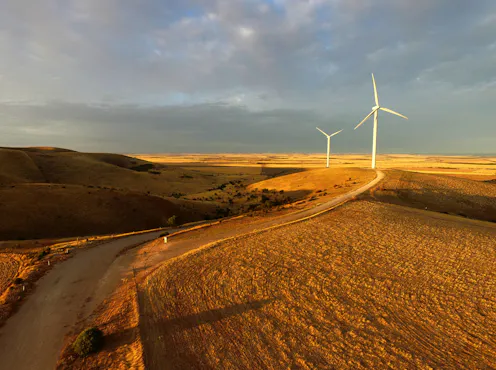
Emissions from Australia’s electricity sector have dropped markedly during the pandemic.
But a recession could cloud the renewables outlook.

Coal and gas have been proposed as a way to make ‘clean’ hydrogen. But that road is full of challenges.
Nations are struggling to agree on how international carbon trading should work under the Paris accord. A weak result would undermine global efforts to fight climate change.
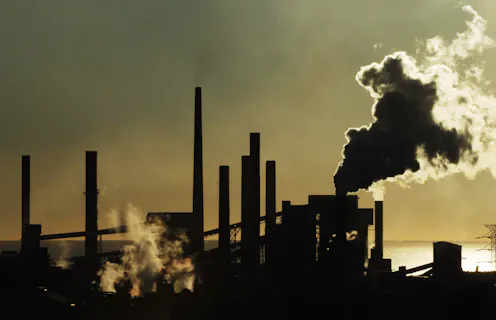
The UN has asked world leaders to bring concrete climate action plans to this week’s summit - and Australia is likely to cop heavy criticism.
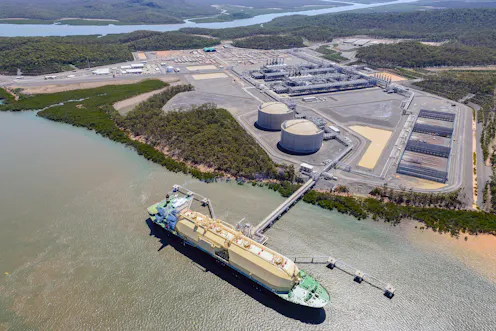
The federal government claims that Australia’s rising emissions are offset by savings around the globe when Australian gas exports replace other fossil fuels. But the numbers don’t stack up like that.
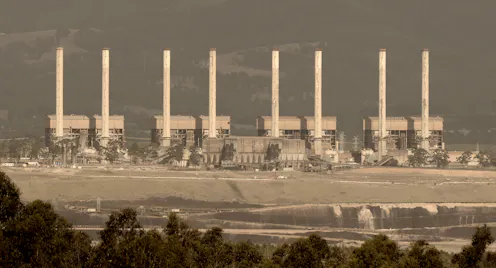
We have quantified the effects of twelve power station closures in five states. Local unemployment shoots up and comes down only slowly.
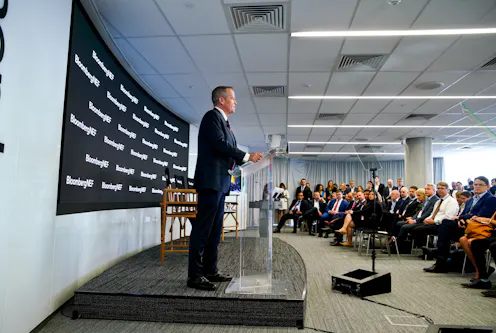
The Labor Party’s newly announced energy policy could finally set Australia’s electricity sector on the path to a renewables-driven future. But policies are still needed to cut emissions elsewhere.
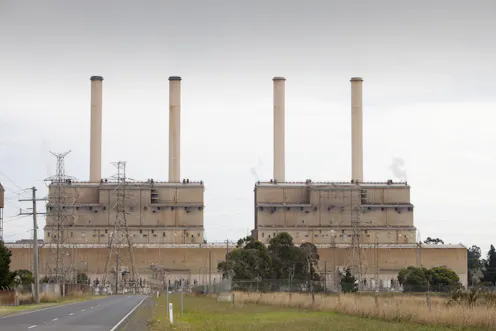
An international report has found there’s no future for Australia’s coal exports.
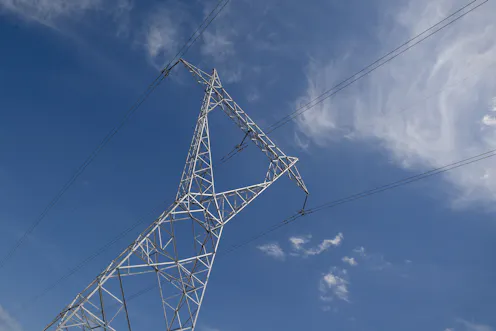
The final design of the National Energy Guarantee promises that the policy will drive down power prices. But there is precious little evidence for this assertion.
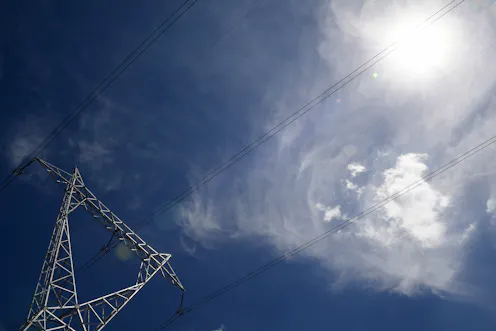
‘Virtual power plants’ offer extra power to the grid by tweaking the operation of batteries and appliances right across the network. But even this might be too blunt a tool for our future energy needs.
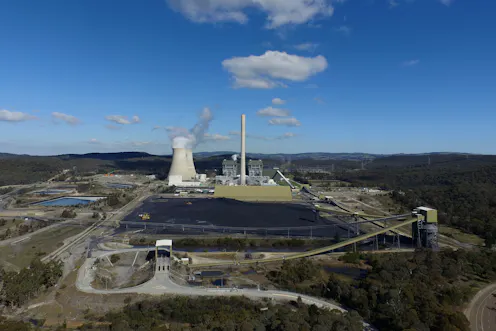
The National Energy Guarantee proposal seems geared towards locking in the status quo rather than driving the much-needed energy transition.
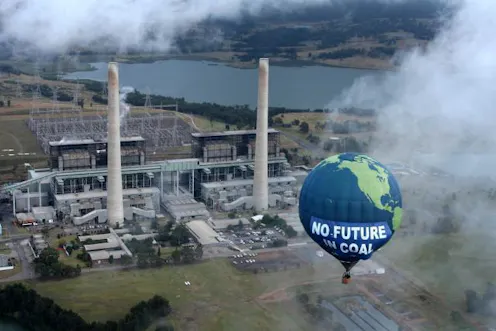
Government payments to keep Australia’s oldest coal plant running amounts to a carbon subsidy. It’s worth looking at the financial – and carbon –
cost.
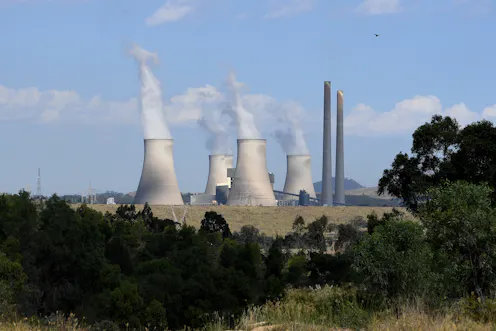
The Finkel Review looks likely to recommend a “low emissions target”, which would award credits to cleaner energy sources, much like the current Renewable Energy Target.
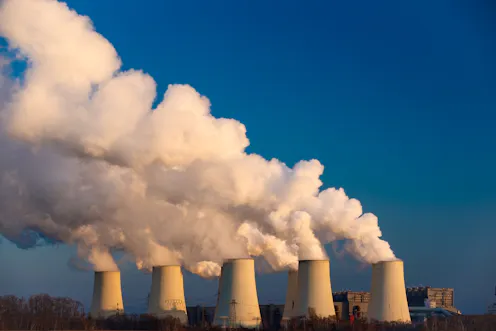
Nobody in business wants to touch new “clean” coal plants, which means taxpayers would be left to foot the billion-dollar bills.
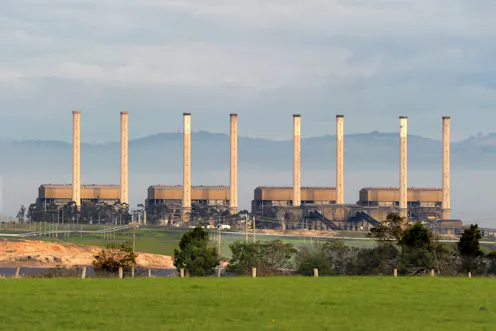
A new “toolkit” of suggested climate policies looks politically feasible, but it’s too complicated and not ambitious enough to drive a real move to a low-carbon economy.
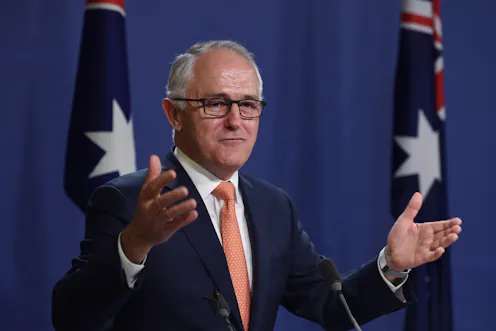
Malcolm Turnbull returns to the helm with a wafer-thin majority and a significant element in his government who still oppose climate action - can he defy the odds and serve up some credible policy?
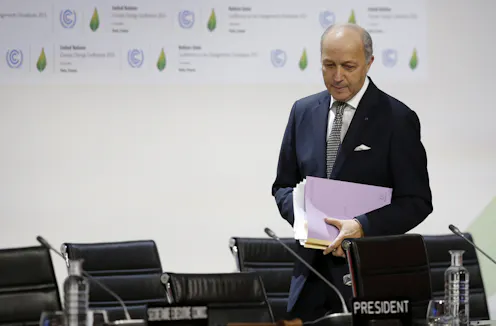
At the Paris climate talks, the world has signed up to the first truly global treaty to tackle global warming. Our experts react.
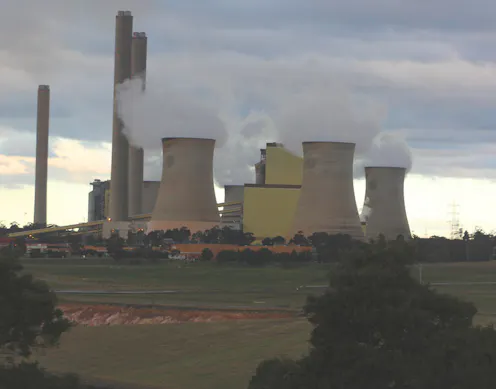
It’s time to close Australia’s brown coal power stations. Here’s how.
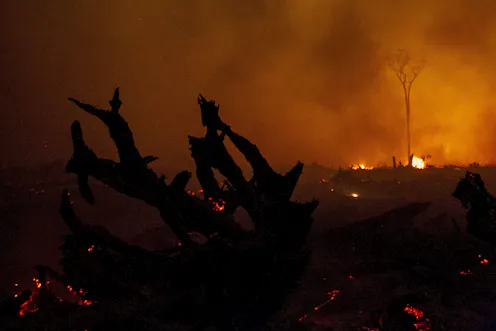
Australia’s leadership on climate finance in developing nations could be an opportunity to improve climate diplomacy.
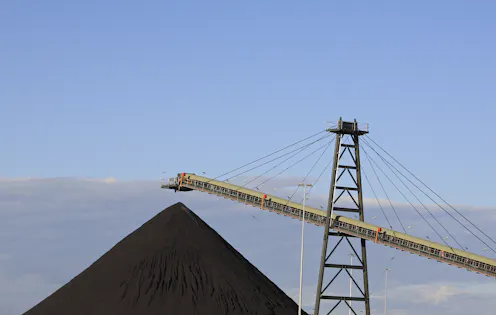
Coal exporting countries could buffer the transition to low carbon economies by taxing coal production or exports.
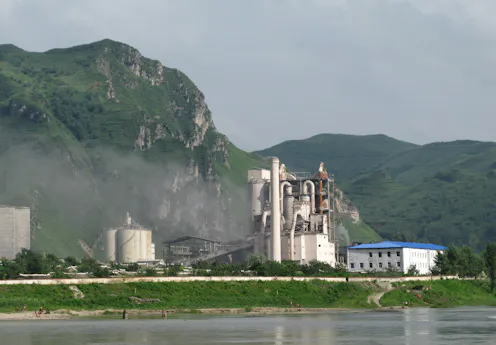
New estimates show that for more than a decade China’s greenhouse gas emissions have been overestimated by international agencies, while the country’s energy consumption has been underestimated. The research…
Contact Frank for
- General
- Media request
- Speaking request
- Consulting / Advising
- Research collaboration
- Research supervision
- Location: Canberra, Australia
- Website
- BlueSky: @frankjotzo.bsky.social
- LinkedIn: frankjotzo
- X (formerly Twitter): @frankjotzo
- Article Feed
- ORCID
-
- Joined
