

Research shows that when the government cuts housing benefit, it harms the mental health of those affected.
- Professor of Housing Research, Adelaide University
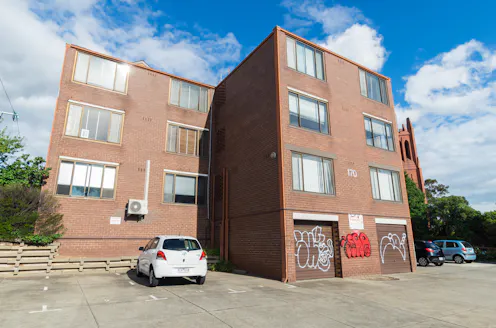
The effects of unaffordable housing cascade into other areas of life, in particular, affecting mental health.
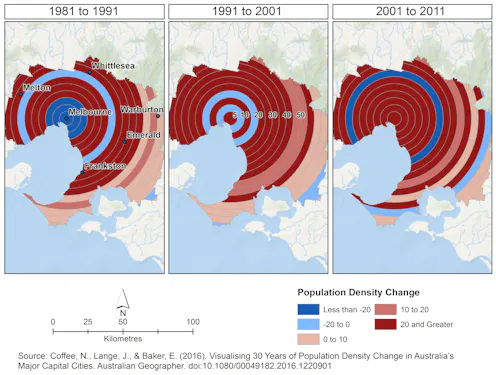
Many factors have influenced population density change in Australian cities over the past 30 years. Melbourne has led the way in inner-city rebirth as a way to help manage future growth.

Income poverty statistics tell us relatively little about why Australian children live in poverty, or how to alleviate it. But housing plays a critical part in the problem.
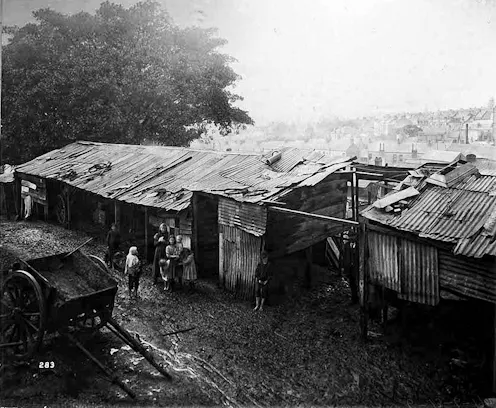
New research finds almost a million Australians are living in poor or very poor-quality housing, with more than 100,000 in dwellings regarded as very poor or derelict.

The 2016 articulation of an urban agenda assumes building more highways, railways and trams will produce better, more productive cities that somehow give everyone a job.

New research into affordable housing reveals some poorly understood distinctions that deserve great policy scrutiny.
Contact Emma for
- General
- Media request
- Speaking request
- Consulting / Advising
- Research collaboration
- Research supervision
- Location: Adelaide
- Website
- X (formerly Twitter): @_HealthyCities_
- Article Feed
- ORCID
- Joined
