
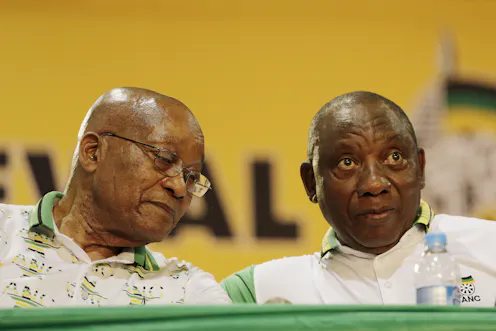
Steps are being taken to lay charges and seize assets of people and companies allegedly involved in corruption in South Africa.
- Professor in Political Science, University of South Africa
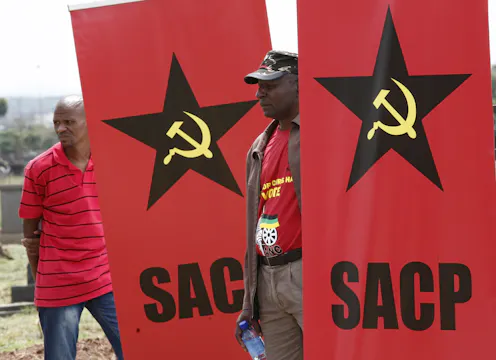
The South African Communist Party’s decision to compete in an election against its alliance partner the ANC is a watershed moment for them, with important implications for the country.
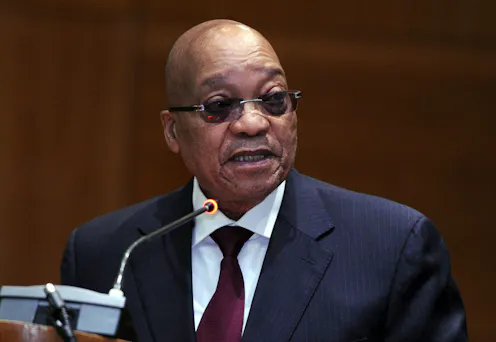
South Africa’s President Jacob Zuma’s loss in the Appeals Court forms part of three milestones in his recent history dominated by corruption, unethical conduct and a knack to avoid criminal charges.
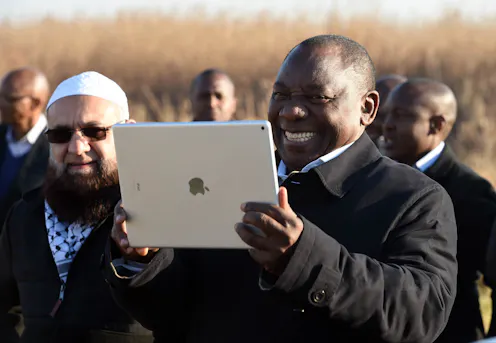
Accusations against South African Deputy President Cyril Ramaphosa appear to be an example of the tried-and-tested trick to discredit him and his political campaign to become the next president.
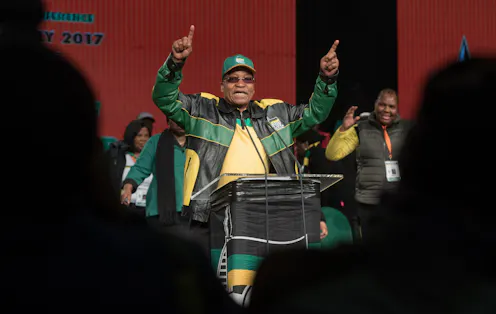
Policy conferences of South Africa’s governing ANC have been about economic policy matters. But more recently organisational renewal has also dominated, as the party loses support.
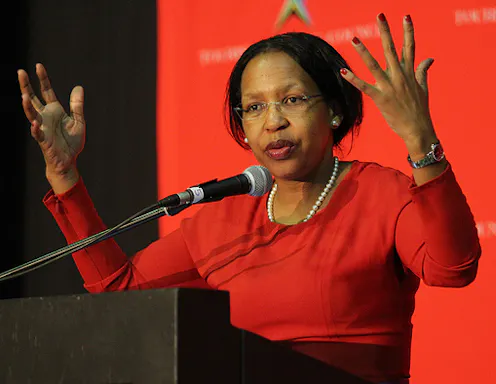
Mahlangu’s resignation over the deaths of mental patients sets her apart from her colleagues in government. But, it does not portend a new trend in political accountability for the governing ANC.
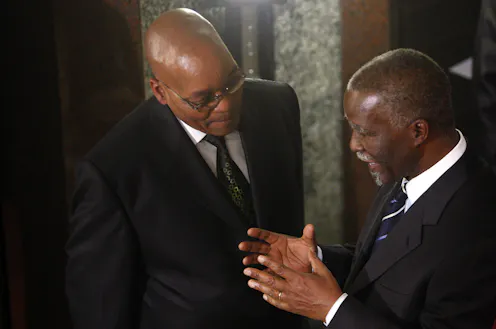
The fallout at the meeting of South Africa’s governing ANC clearly exposed how the party’s factionalism has spilled over into government. This is likely to paralyse governance even further.
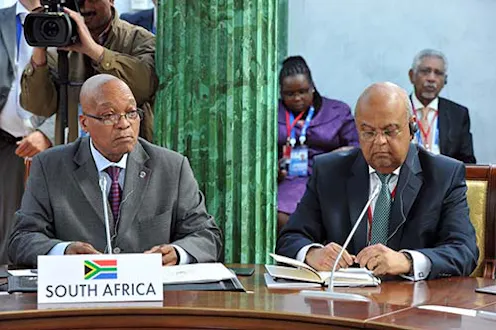
The use of the prosecuting authority and the police in ANC succession struggles has a long history. What’s different in the Zuma era is the symbiosis between elite police and the prosecution service.
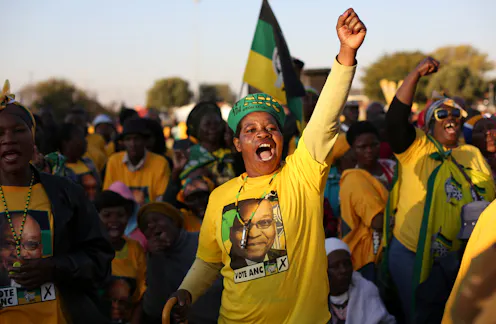
The Tripartite Alliance in South Africa has previously provided the governing African National Congress with diverse support, securing it victory at the polls. It is now riven with dissension.
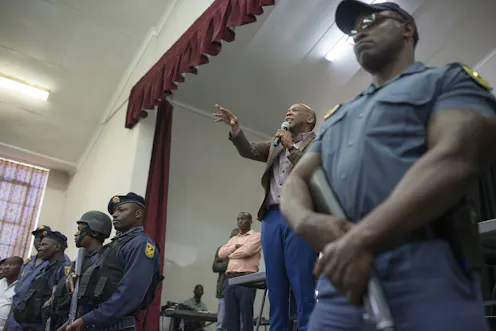
Some of the factors behind the riots by ANC supporters in Tshwane are not new. They include gripes within the governing party about its process for choosing mayors and divisions over Jacob Zuma.
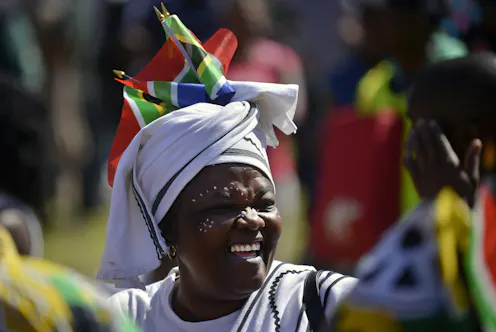
South Africa’s transition to democracy was based on the values of inclusive politics, reconciliation, human rights and constitutionalism. Twenty-two years on, how has the country fared?
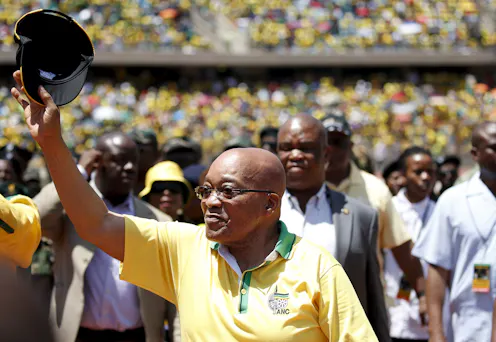
It is unlikely President Zuma will announce a structural changes in his State of the Nation Address. This, despite education being in dire need of fundamental restructuring and an economy in decline.
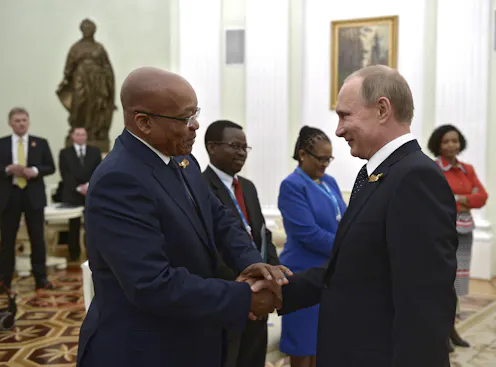
President Jacob Zuma’s era has been characterised by a high turnover, not only of cabinet members, but also senior public officials and executives in state-owned enterprises.
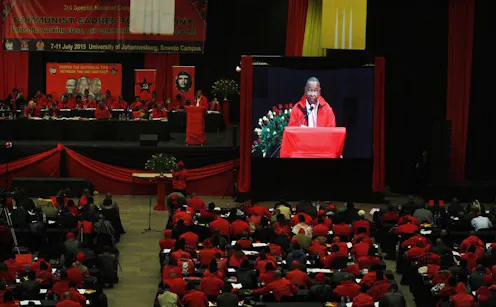
The SACP is the oldest communist party in Africa, formed in 1921. It is one of only 20 parties which survived the anti-communist purge post independence. Its membership went through cycles over years.
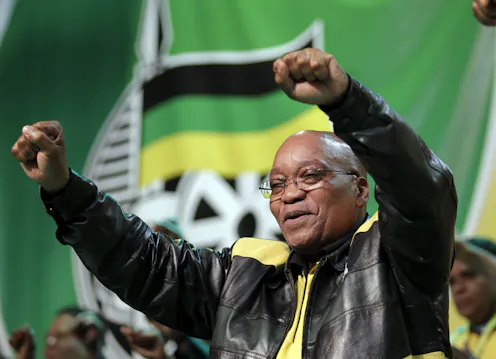
The leaders of South Africa’s governing ANC and its alliance partners, the SACP and Cosatu, are holding an unprecedented week-long meeting at a time of grave difficulties afflicting the alliance.
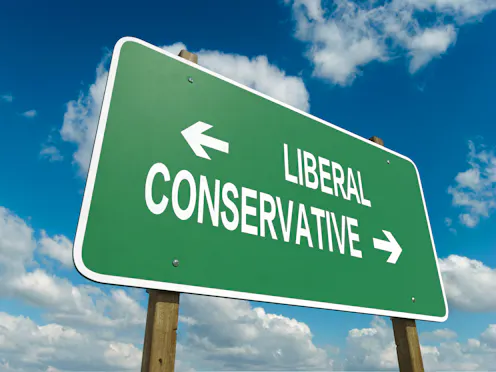
Liberalism is a dirty word for the majority of South Africans. This goes back to early colonialism. Liberals opposed apartheid but not the close relationship between capitalism and apartheid.
Contact Dirk for
- General
- Media request
- Speaking request
- Consulting / Advising
- Research collaboration
- Research supervision
- Article Feed
- ORCID
- Joined
