
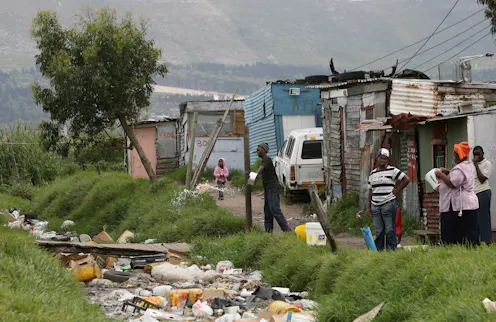
Initiatives to boost South Africa’s economy could reinforce structural weaknesses without addressing the high levels of inequality.
- Professor/Senior Research Fellow, Centre for Advancement of Scholarship, University of Pretoria
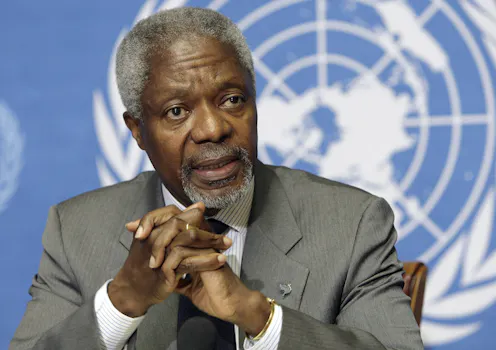
Kofi Annan was the first UN employee to rise to the position of Secretary General but his tenure also had a darker side.
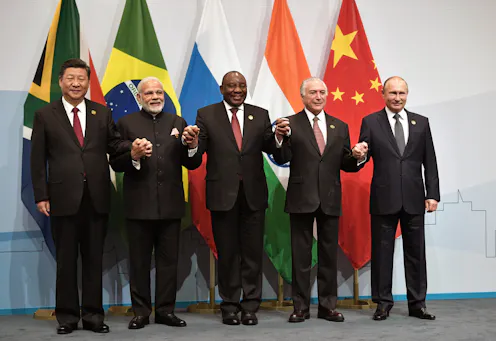
The 10th BRICS Summit delivered a mixed bag when judged on what it said on key issues, like global governance and trade.
The 10th BRICS Summit will be judged by how it tackles the prevailing global political and structural challenges.
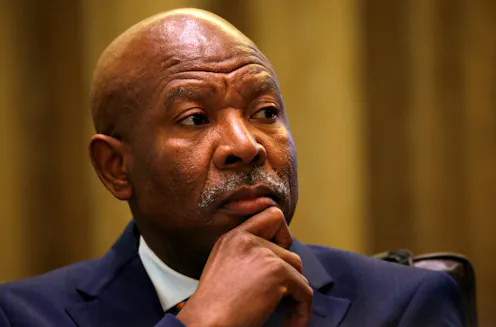
The governor of South Africa’s Reserve Bank has been appointed to chair an important IMF committee. Countries in sub-Saharan Africa stand to benefit.
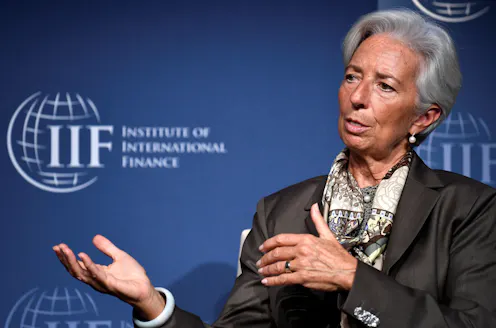
South Africa will be well advised to start preparing itself for an International Monetary Fund programme as the country faces a deepening economic crisis.
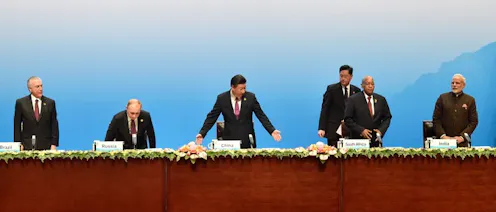
The promise of BRICS was that it would usher in a new approach to development. But after meeting annually for the last nine years there’s no sign that the old order has been challenged.
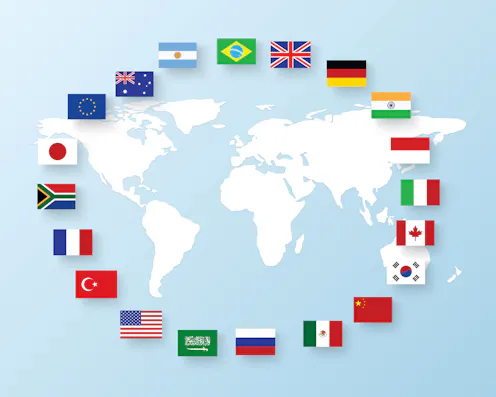
In its agenda to reform global economic governance the developing world should look for ways to extract some value from the G20.
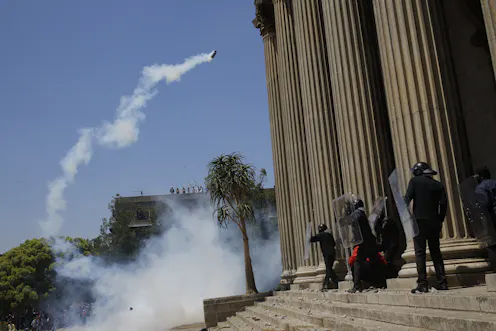
It’s easy to understand why the government treats each student demand as distinct. But these are complex issues and they are intertwined.

One of the messages coming out of Donald Trump’s victory is that his supporters are rejecting the tolerance and cosmopolitanism of the past 30 years.
Africa should focus on the feasible reforms of the UN and de-emphasise its demand for improved representation on the Security Council voting reforms, given the complex politics around these issues.

The 2008 financial crisis exposed major gaps in central banks’ operations. New features like quantitative easing have since emerged.
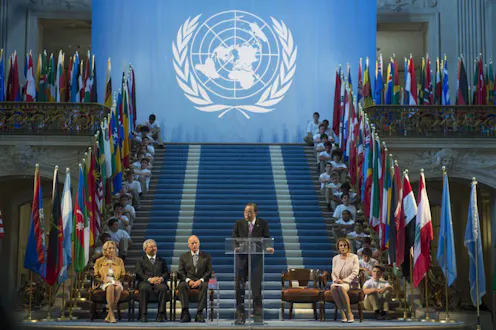
The ‘functional immunity’ granted to UN officials made good sense when the body was founded after World War II. But as its organisational functions have expanded, so has this immunity.
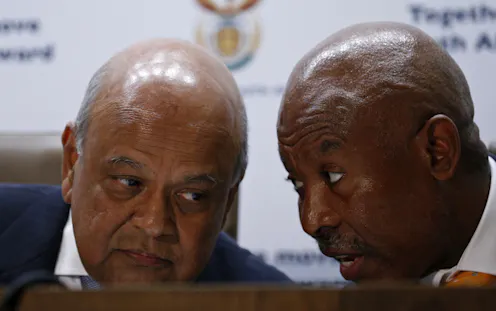
Pessimists aren’t asking if the glass in South Africa is half full. They want to know if there’s anything in the glass. The answer is a pleasant surprise.
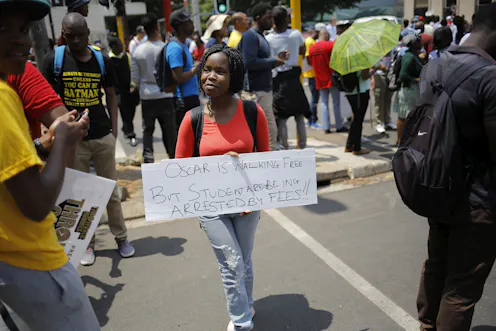
It shouldn’t be up to universities or the government alone to fund students who qualify for tertiary education but can’t afford it. A perpetual bond system could be the answer.
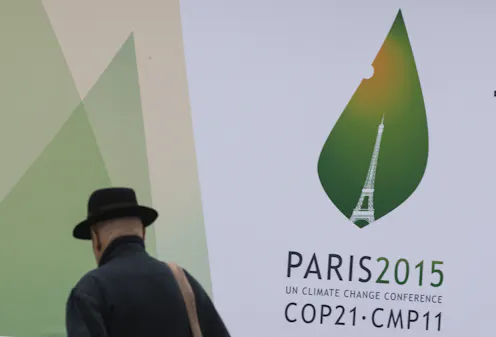
As the sins of man’s economic and political past catch up with him, the old way of solving international problems through treaties is losing its potency. Today’s global challenges need new approaches.
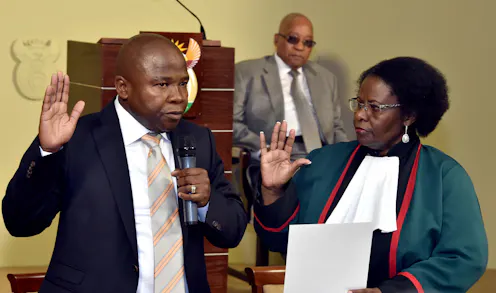
The sudden expulsion of the finance minister makes it hard not to be pessimistic about the South African government’s ability to manage the difficult challenges it might face in 2016.
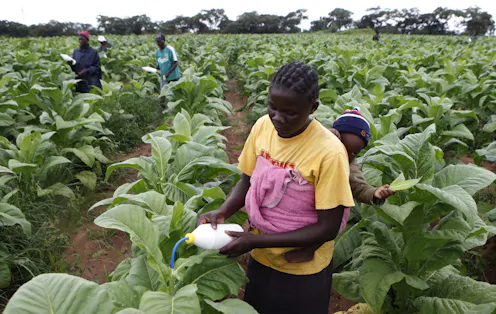
Traditionally human rights are viewed as being indivisible, interdependent and interrelated. The notion that a company may need to choose which human rights it will protect is antithetical.

The ICC has not lived up to its noble intentions of making the world more just. Its failure echoes that of the 1928 Kellogg-Briand Pact, which set out to banish wars and to settle disputes peacefully.
Contact Danny for
- General
- Media request
- Speaking request
- Consulting / Advising
- Research collaboration
- Research supervision
- Location: Pretoria, South Africa
- Website
- X (formerly Twitter): @dannybradlow
- Article Feed
-
- Joined
