
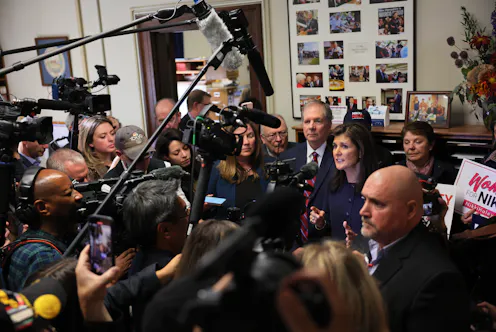
Two states that are not representative of the US, particularly in terms of race, have outsize influence in the presidential campaign.
- Associate Professor of Political Science, Boise State University
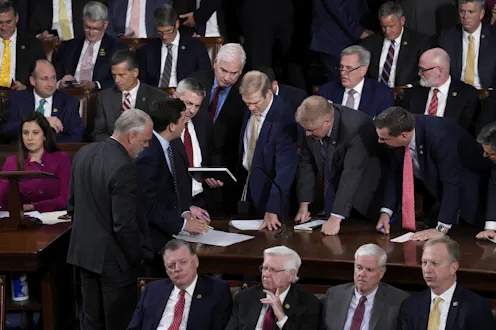
In the 1850s, a fight over the speakership took nearly two months and 133 rounds of voting. But for nearly a century, the majority party in the House has unanimously supported its leader. No longer.
Long gridlocked by fighting between the two major political parties, the US House is now split by conflict within the GOP, thanks in part to redistricting practices that boost extremism.
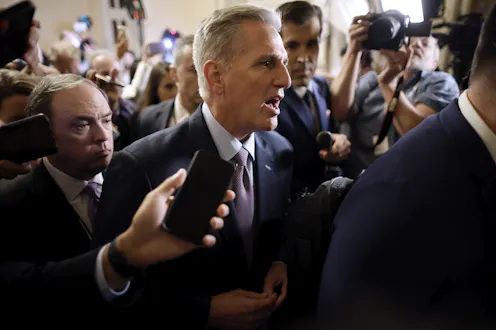
An expert on Congress helps untangle the mess that is Kevin McCarthy’s life as speaker of the House right now.
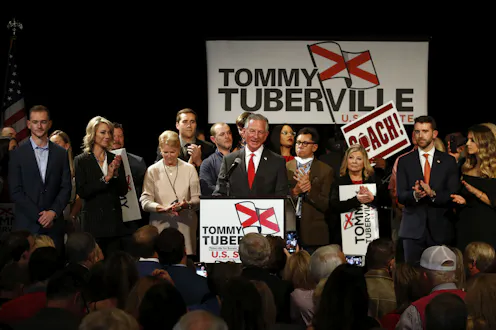
The framers decided that members of both the House and Senate would be required to be “an inhabitant” of the state they represent.

It doesn’t make for inspiring politics, but political scientists have determined that for candidates, it’s more valuable to have an unpopular opponent than to be personally popular yourself.
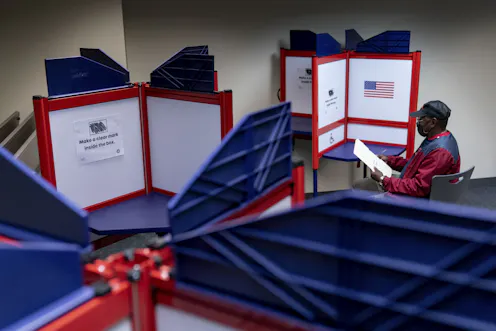
A loud chorus of Democrats – and some Republicans, too – has for years claimed gerrymandering is costing their party seats in Congress. Is it true?
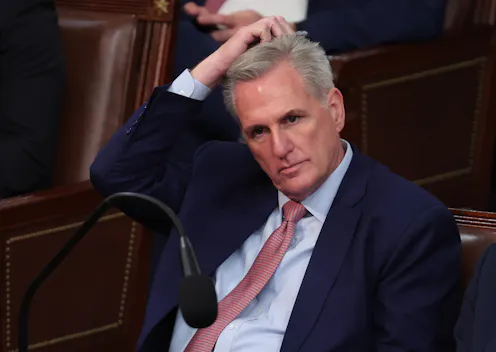
The Congress that ended on Jan. 3, 2023, had 15 vacancies, a rate unmatched since the 1950s. If that rate continues, whoever leads the now-closely divided House will face trouble.

In the hard-fought contest between John Fetterman and Mehmet Oz for the US Senate, Fetterman slammed Oz with charges he was a carpetbagger. That may have helped Fetterman win the race.
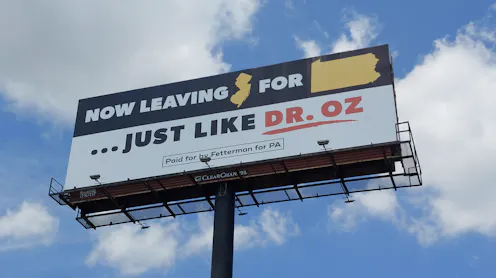
In Pennsylvania, one Senate candidate is pounding the other for his lack of local roots. A political scientist studied accusations of carpetbagging – and found there is a home field advantage.
Contact Charlie for
- General
- Media request
- Speaking request
- Consulting / Advising
- Research collaboration
- Research supervision
- Location: Boise, Idaho, U.S.
- Website
- BlueSky: @charlesrhunt.com
- LinkedIn: charlesrhunt
- Article Feed
- ORCID
-
- Joined
