

With perhaps months stuck at home due to coronavirus, gamblers may be tempted to engage more heavily in online betting. New regulations are urgently needed to restrict online bet sizes and credit card use.
- Associate Professor, School of Public Health and Preventive Medicine, Monash University

Banning offshore gambling sites sounds sensible enough, and the federal government is planning to do this. But to what extent are these sites really ripping off Australian gamblers?

Gambling operators are required by law to donate some of their revenue for charitable purposes. But a review of data in Victoria shows that charitable giving is actually far less than they claim.

The failure of regulators to uncover alleged criminal activity at Crown casino is an important story. But regulatory failure in gambling runs deep, and is a major political problem.

Electronic gambling machines can be highly addictive, and are associated with very high rates of gambling harm. Many of the mechanisms of this potential for addiction are now becoming clearer.

Even with responsible gambling measures in place, excessive gambling remains a problem and a significant cost to society.
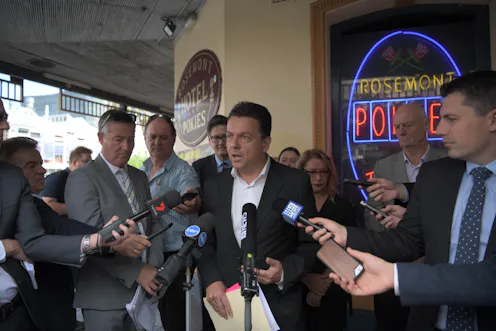
Nick Xenophon says the proposals encapsulated in his party’s gambling policy for the South Australian election are just the start of a wider push for reform.
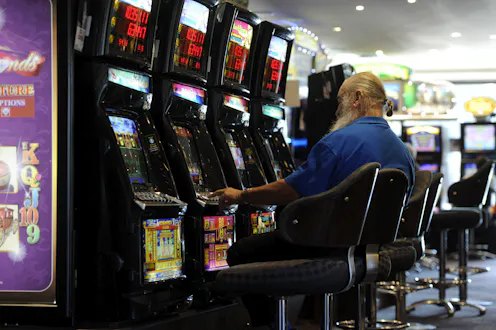
Disadvantage predicts the extent of poker machine losses far more in Tasmania than in other Australian states and territories.
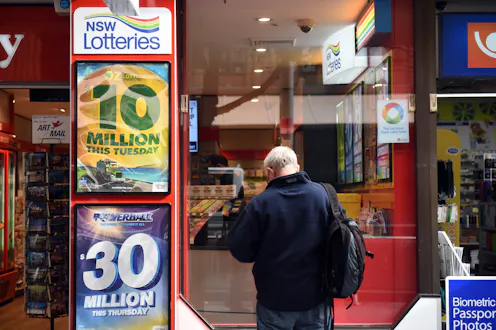
Gambling has impacts on many aspects of life – including employment, income and wealth. The release of HILDA’s latest survey provides more evidence to help inform decisions on gambling policy.

Allowing pokies to continue to be concentrated in Tasmania’s most stressed local areas will continue to cause preventable harm to tens of thousands of Tasmanians every year.

The gambling industry continues to make handsome donations to our politicians, and recently named some of those it supports.
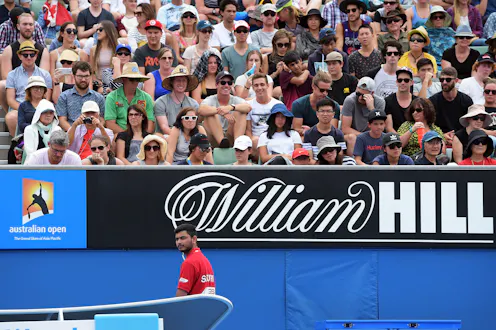
No state wants to see its revenue base decline – particularly when the jurisdiction benefiting doesn’t even tax (or regulate) its bookies as well as it might.

The harm pokies cause is widespread and tends to affect those already under significant stress. $1 bets are a good first step toward reducing this harm.
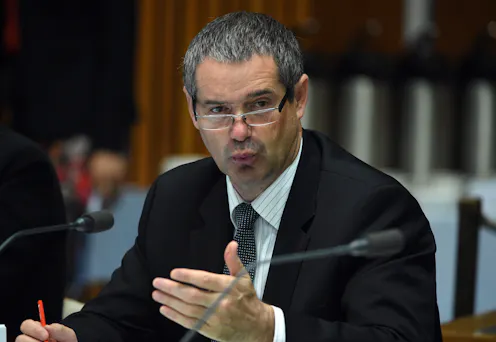
The gambling industry certainly holds an attraction for former politicians. Perhaps it’s all that money, and the attraction of staying in the game – even if at a peripheral level.

Gambling losses in Australia are now close to $23 billion. What’s driving this? And do we need to reform gambling regulation?
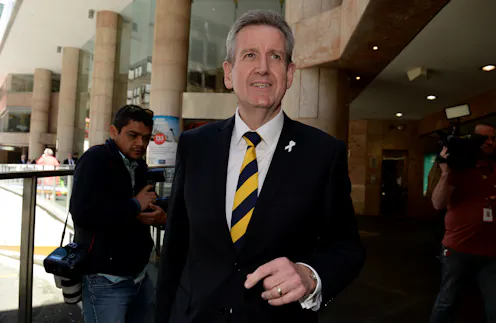
There is a coterie of politicians on both sides who are trusted, or at any rate supported by, the pokies lobby.
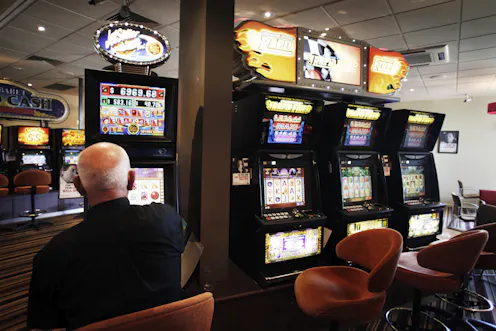
Polls suggest that Nick Xenophon’s team will win a bag of Senate seats. Along with a re-elected Andrew Wilkie, and the Greens, will there be enthusiasm for gambling reform in the next parliament?

Online wagering is likely to be very harmful to a new generation of gamblers who habitually use mobile devices. It has the capacity to be very high intensity.

The current controversy over match-fixing in tennis has some ironic elements. Anyone watching the Australian Open on free-to-air TV will notice the proliferation of sports betting ads.
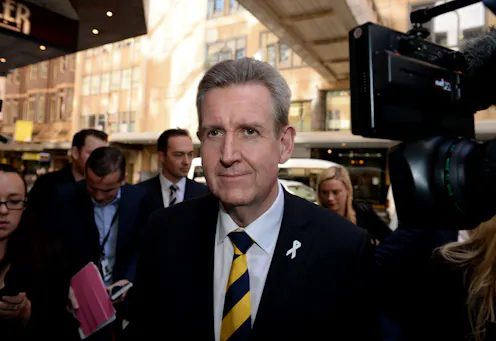
Online in-play betting is likely to be a big growth area for the bookies, and consequently for TV stations. If legalised, what harm might this bring?
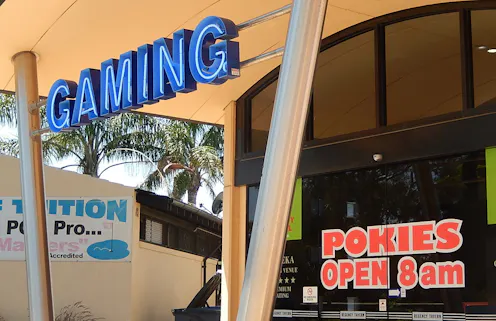
Some clubs provide genuine benefits to their communities. Unfortunately, clubs have developed significant poker machine dependency – an average of about 60% of total revenue.
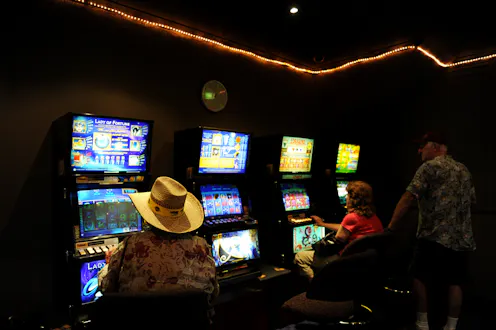
The basic characteristics of pokies, combined with constantly refined game features, provide a stimulus to the brain that, in many cases, leads to a form of addiction.
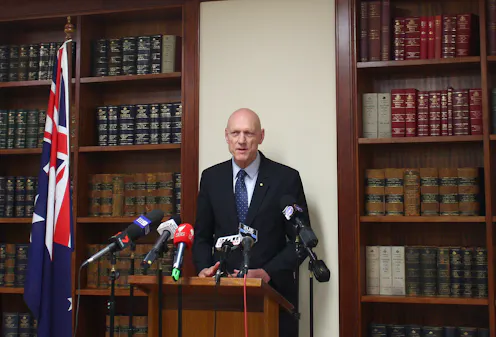
The gambling industry knows how to wield power, and does it with great expertise, backed by significant resources.

At least 75% of those with a gambling problem have it because of poker machines in clubs or pubs. Yet we see little concern from the government about this group.

Sports betting hasn’t quite got the hold on Australians that poker machines have – yet. We can stop the harm from growing if we act early.
Contact Charles for
- General
- Media request
- Speaking request
- Consulting / Advising
- Research collaboration
- Research supervision
- Location: Melbourne, Australia
- Website
- X (formerly Twitter): @CLjeSuppose
- Article Feed
- ORCID
-
- Joined
