

Authorities have been warned about five virus families that could cause future pandemics. Here are snapshots of the diseases each can cause and why we should be worried.
- Clinical Associate Professor, School of Medical Science & Sydney Infectious Diseases Institute; Principal Hospital Scientist, University of Sydney
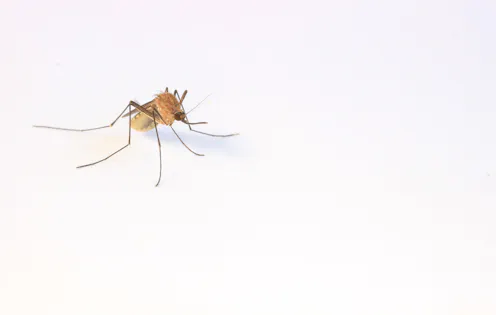
Mosquitoes are commonplace in summer but where do they go once the weather cools? They don’t completely disappear but find fascinating ways to survive the winter.
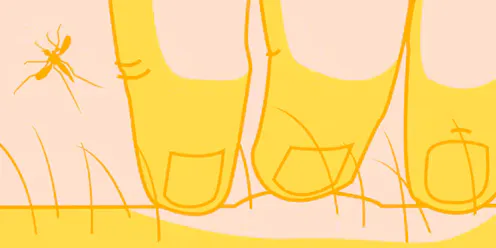
“Gigitan gatal” itu sebenarnya adalah reaksi terhadap ludah nyamuk.

Tracking mosquitoes is essential to understanding their pest and public health risks. You can help too – here’s how.
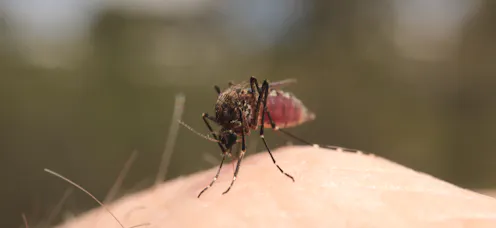
Mosquitoes love water and with floodwater set to remain for some time, expect mosquito numbers to increase. Here’s how to avoid mozzie bites and the diseases they bring.

The mosquito-borne Japanese encephalitis virus has been detected for the first time in southeastern Australia, in pigs at a pig farm. So what threat does it pose to human health?
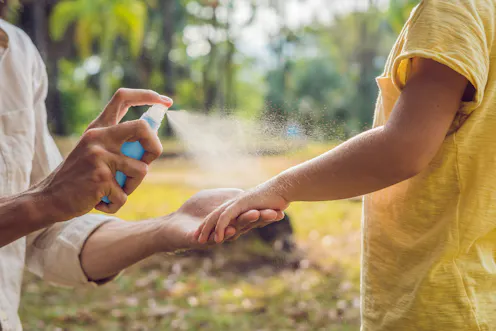
Summer is no fun when mosquitoes are biting. Insect repellent creams, sprays, and lotions are safe and effective but there are alternatives. Here’s what works and what doesn’t!
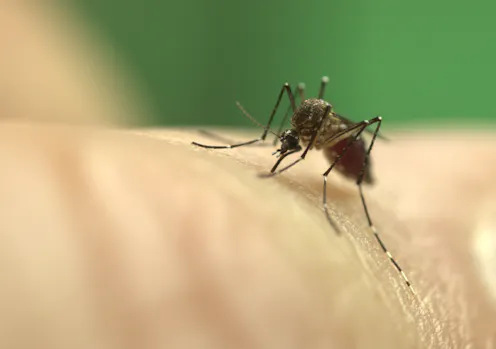
Backyard mosquitoes can be more than just annoying pests. Their bites can spread the pathogens that make us sick.

Summer can bring out the bugs. Here’s what to do if you miss a spot when applying insect repellent.
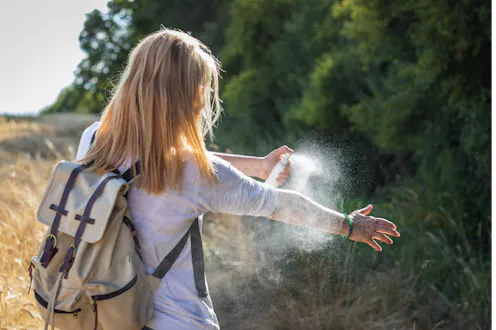
Summer is here, and so are the mozzies. So what do you need to consider when you’re picking a mosquito repellent?
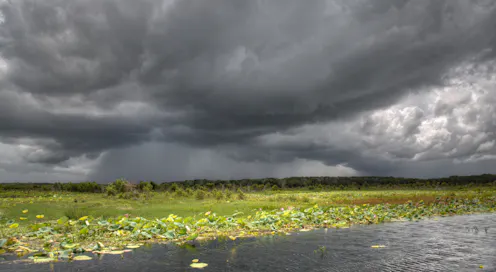
Mosquitoes love the wetter weather La Niña brings to some parts of Australia. But will we see more mosquito-borne disease?

Could a commonly used mosquito repellent kill off coronavirus? Preliminary studies in the UK are encouraging — but that doesn’t mean you should reach for repellents to protect against COVID-19.
Mosquitoes are responsible for a number of potentially deadly illnesses, but they’re highly unlikely to be playing a role in the COVID-19 pandemic.

Feel like mosquitoes are picking you out of a crowd when looking for someone to bite? It may come down to the smell of your skin and how heavily you breathe.
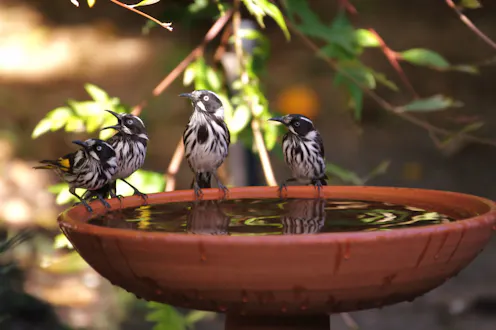
Temperatures are soaring and bushfires are decimating Australia’s wildlife. So how can we avoid creating a breeding ground for mosquitoes when putting water out for thirsty birds and animals?
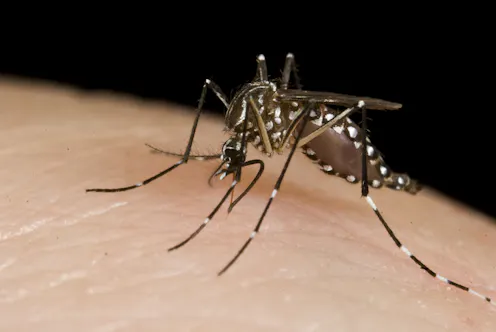
Nuisance-biting and mosquito-borne disease are ongoing concerns for health authorities. But an effective citizen science program is now showing how all of us can help beat the bite of mozzies.
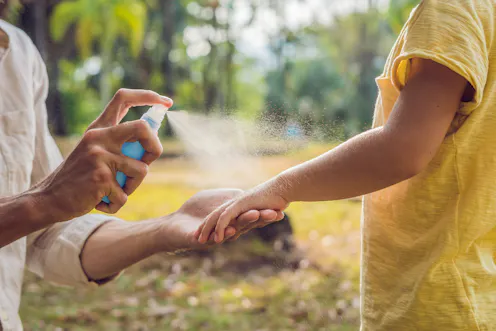
Mosquito-borne dengue virus returned to central Queensland after being absent for decades. But while most Australian cases involve travellers, this one is locally acquired.
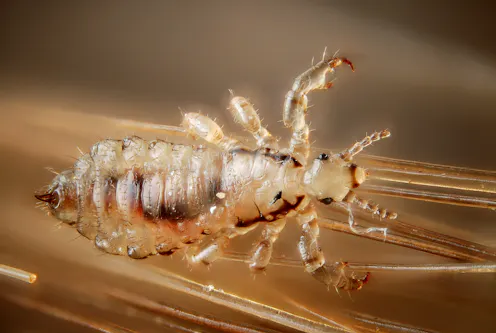
We like to think that all creatures play a role in the local ecosystem. We’re especially interested in insects that provide a benefit for people too. But that’s not always how it is.
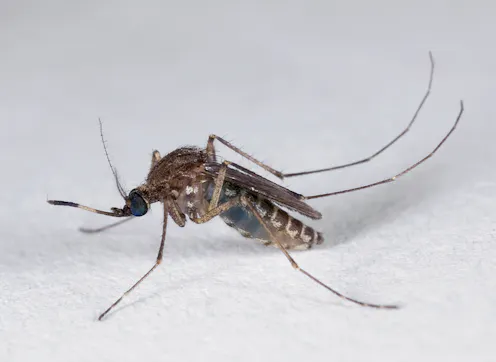
Murray Valley encephalitis virus is a rare but potentially fatal mosquito-borne virus. Here’s what you need to know about it.
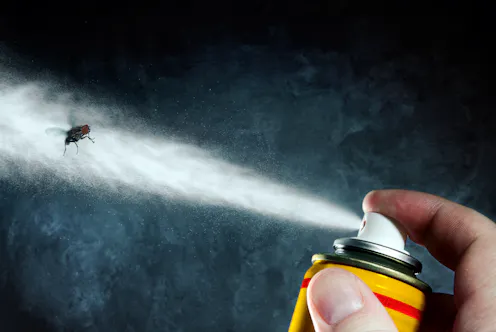
It’s easy to whip out the fly spray, but our fondness for pesticides can bring knock-on effects such as increased resistance, and harming beneficial insects in and around our homes.
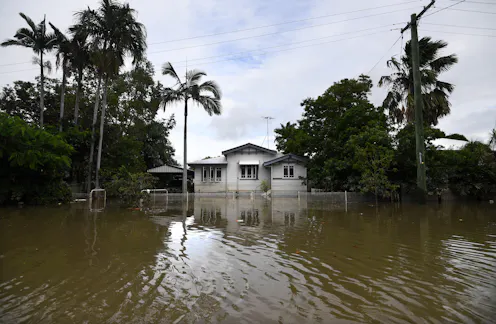
The more water, the more mosquito eggs are laid, and the more mosquitoes end up buzzing about. But to spread disease to people, they first need to bite infected wildlife.

Here are some tips to beat the bite of these bloodsuckers for as long as possible.
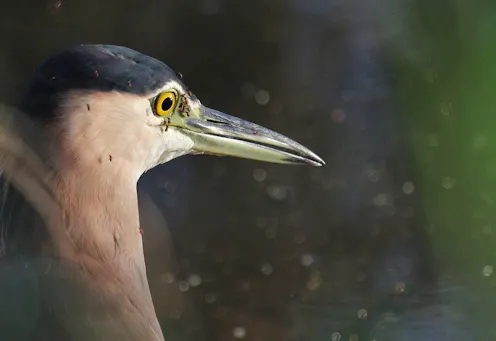
Thousands of Australians contract Ross River virus each year. Mozzies can infect us with their bites, but only after they’ve bitten an infected animal host.

It’s tempting to ditch the mozzie creams and sprays, and switch to clothing that has its own “built in” bug repellent instead. But the technology isn’t quite there yet.

Japanese encephalitis virus is rare and doesn’t usually cause symptoms. But in a small proportion of cases it can result in long-term neurological impairment and death.
Contact Cameron for
- General
- Media request
- Speaking request
- Consulting / Advising
- Research collaboration
- Research supervision
- Location: Sydney, Australia
- Website
- X (formerly Twitter): @mozziebites
- Article Feed
- Joined
