
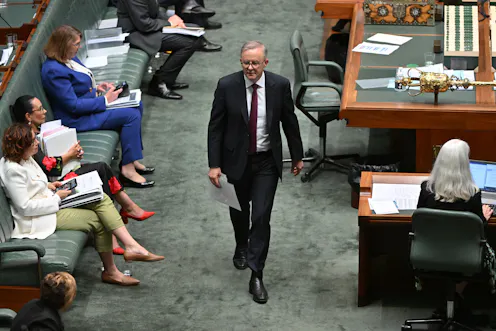
The Yes/No case has long been flawed and the government is right to dispense with it. But it will need to replace it with something else to counter misinformation – and do so with great care.
- Professor Emerita in Constitutional Law, University of Sydney

Legally, there does not need to be anything done in Australia to result in the change from queen to king. That happens automatically.

There is still much about these reports that remains unclear – but, in any case, it is inappropriate for a government to act with secrecy on such matters.

The type of recognition proposed in this current amendment goes beyond just words on a page. It is no mere formulaic opening recitation.
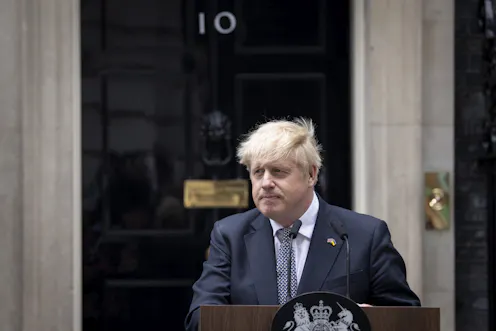
Johnson will remain prime minister until a new party leader is chosen - which could take months.

Of 44 referendums put to the Australian people since federation, only eight have passed – but those championing a First Nations Voice to Parliament need not be deterred.
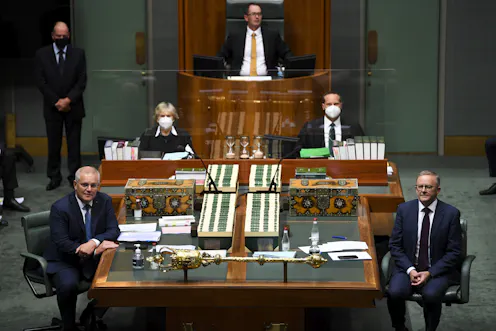
When no party can immediately form a majority government, the negotiations begin – and the role of the crossbenchers becomes extremely important.
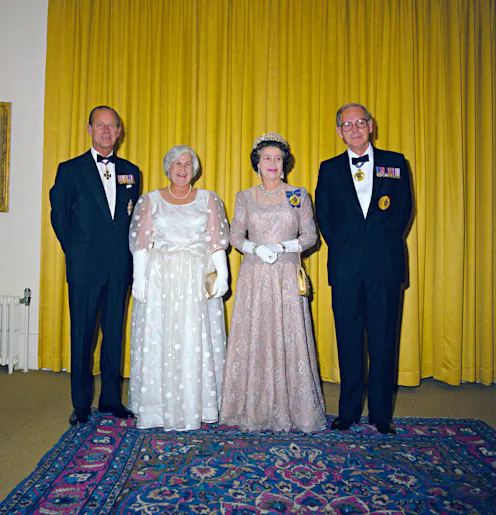
While many of the letters are quite candid, their release after so many years is hardly damaging, and the efforts to keep them secret for so long are again shown to be absurd.
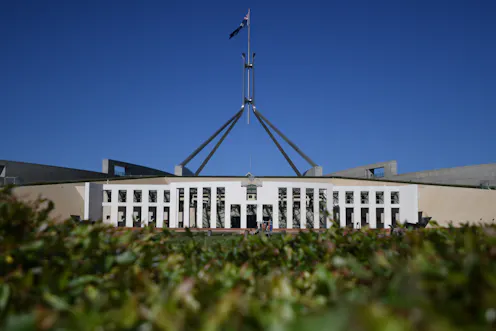
Complaints have been ringing out about how few days federal parliament is proposed to sit early next year.

While advice to ‘prorogue’ or halt a term of government is controversial, it remains appropriate to prevent a vote of no confidence while by-elections are pending.
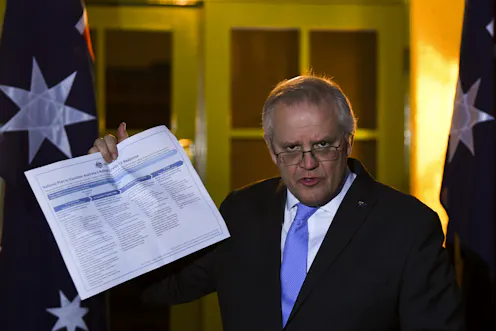
The national plan is not set in stone. States will make their own decisions about complying with it - including on border closures.
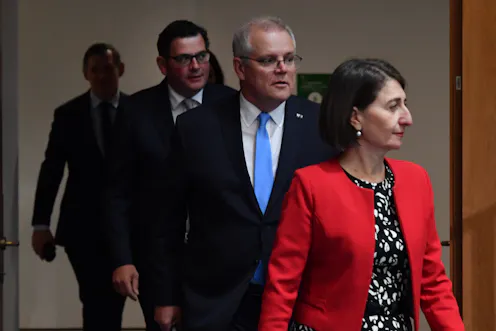
The legal decision that national cabinet is not a cabinet means how the body operates, and the decisions it makes, cannot be protected by cabinet confidentiality.

There could still be another challenge on constitutional grounds, but there may not be time before the ban ends anyway.

There are many rules that ministers are supposed to abide by in allocating grants to community groups. But they are not followed or enforced, and there is little interest in changing that.
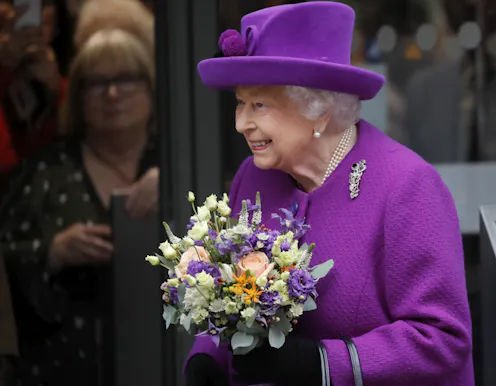
New documents expose a chink in the queen’s armour of secrecy.

Palmer has lost his challenge to the closure of the Western Australian border in response to COVID-19. But it still remains unclear whether the border closure was and remains valid.
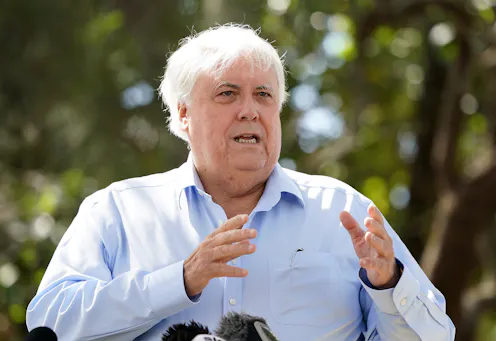
With Justice Rangiah finding the border closures are safer in stopping the spread of COVID-19 than alternatives, Palmer will now take his challenge to the High Court on constitutional grounds.

A state of disaster confers more power on the minister for police and emergency services to ensure compliance with the laws put in place to defeat the pandemic. It plays a powerful symbolic role, too.

There are many questions regarding The Dismissal that can still be debated. But the queen simply advised the governor-general to follow the constitution, which is as she should have done.

There are many ideas on how Indigenous recognition can be achieved in line with the Uluru Statement from the Heart. We need to keep exploring them until we find one that will work.

However, the win does not necessarily mean the public will have access to the letters - much now rests on what the National Archives does next.
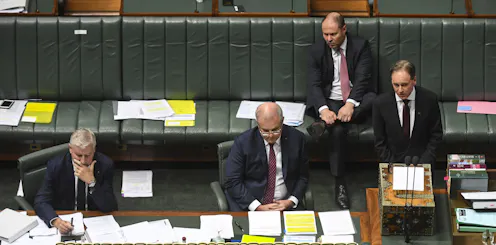
It is important government continue – and be able to be properly scrutinised – during this time of crisis, and the Australian Constitution allows it to be done electronically.
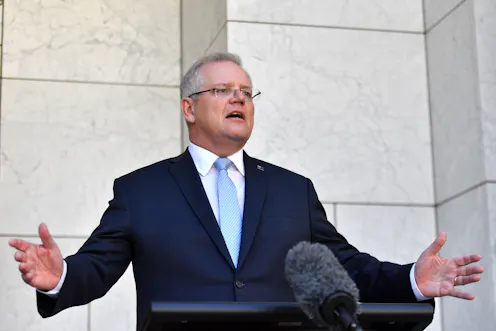
The short answer is ‘yes’ - the states can impede people moving across borders if it is for the protection of public health.
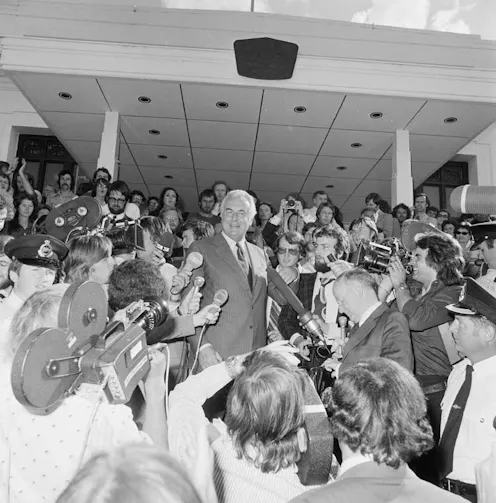
As the ‘palace letters’ case heads to the High Court, there is much at stake for our understanding of this pivotal time in Australian political history.

Proposed laws in Queensland would stymie the work of charities. But if they’re tested in court, they’d probably be constitutionally invalid.
Contact Anne for
- General
- Media request
- Speaking request
- Consulting / Advising
- Research collaboration
- Research supervision
- Website
- Article Feed
-
- Joined
