
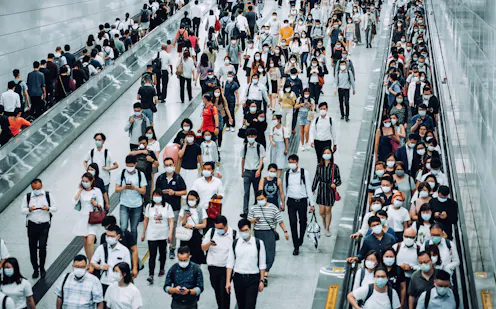
The world’s best chance of preventing the next pandemic lies in a global treaty. But deep divisions over funding and the sharing of vaccines and treatments have so far prevented an agreement.
- Professor of Law, University of Waikato
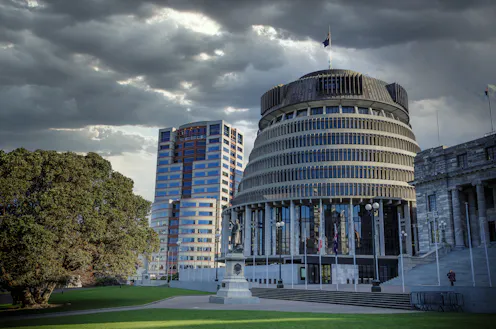
New Zealand is far from a tyranny. But there are signs its democratic institutions are not as robust as they might be – with the proposed ‘fast-track’ legislation bringing concerns to a head.
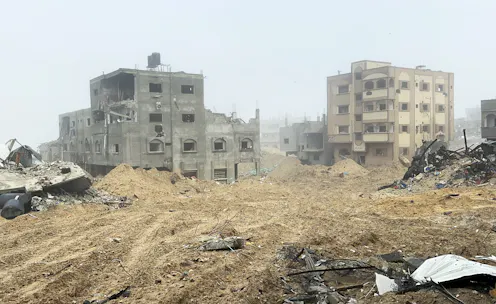
International pressure on Israel to halt its onslaught in Gaza is mounting. New Zealand has so far chosen to stay on the sidelines, despite allies taking more decisive stands.
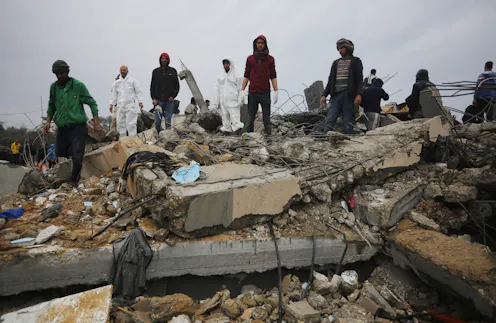
The International Court of Justice stopped short of calling for a ceasefire in Gaza. New Zealand now needs to refine its foreign policy to play a constructive role in what happens next.
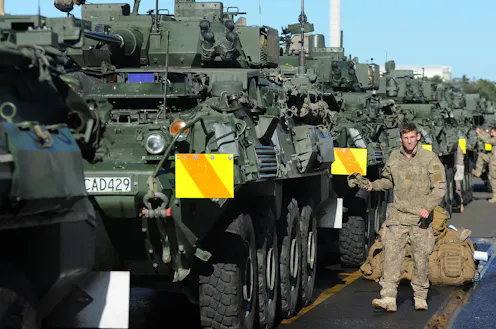
With geopolitical tension and uncertainty rising, New Zealand’s ruling coalition faces urgent questions about defence spending, alliances and its independent foreign policy.

New Zealand was mostly stable in key international rankings and domestic socio-economic measures. But there are signs of slippage in some areas and not enough progress in others.
Despite demands for an urgent ‘reservation’ and ‘national interest test’ over new WHO regulations, New Zealand’s sovereignty is not at risk from international agreements or treaties.
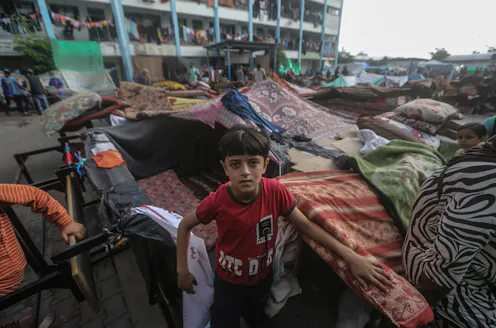
Liberal democracies need to work with the countries in the Middle East to build a long-term solution to the ongoing Israel-Gaza crisis.
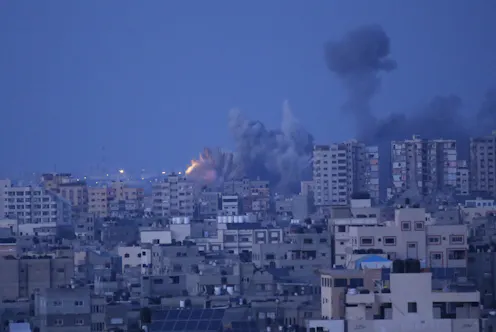
New Zealand must be even-handed in its response to the catastrophe unfolding in Israel and Gaza, while still trying to keep hope of peace alive.
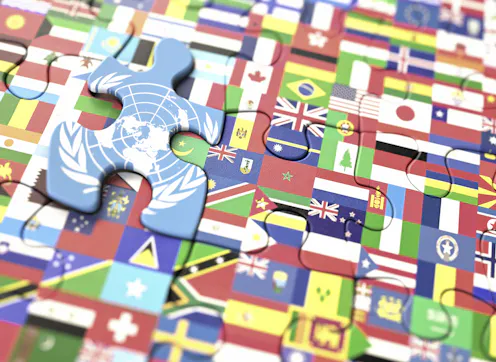
From the war in Ukraine and China’s role in the Pacific, to multi-billion-dollar military decisions, New Zealand will face huge challenges during the next term of government.
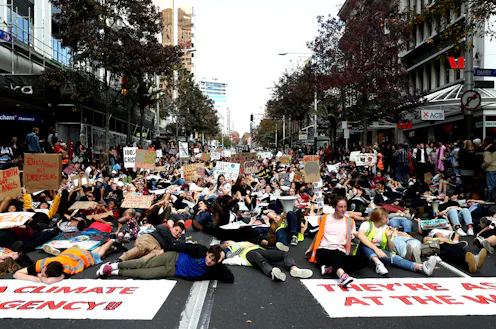
Police have warned climate protesters could face up to 14 years in jail for ‘endangering transport’ – longer than the maximum for serious crimes like ram-raiding.
The Security Intelligence Service needs public support and trust to do its work well. Adding a degree of transparency to it’s annual threat assessment should help.
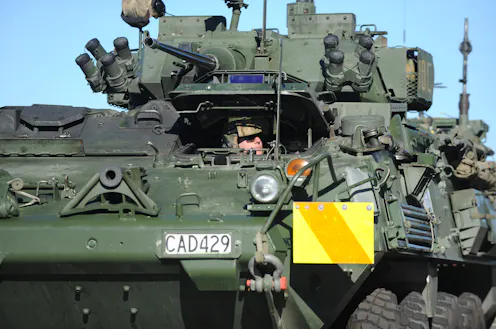
New Zealand faces “more geostrategic challenges than we have had in decades”, according to the defence minister. A broad defence and security reset aims to prepare the country for what may be ahead.
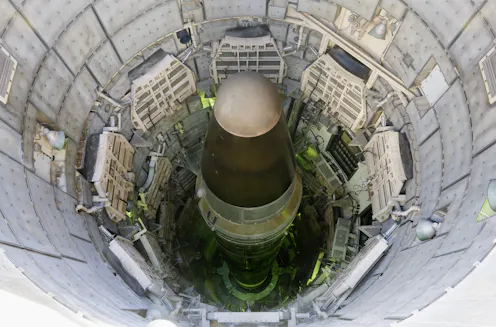
Lack of effective regulation means the risk of nuclear war is greater than at any time since the end of the Cold War. Other potentially existential military threats remain similarly uncontrolled.
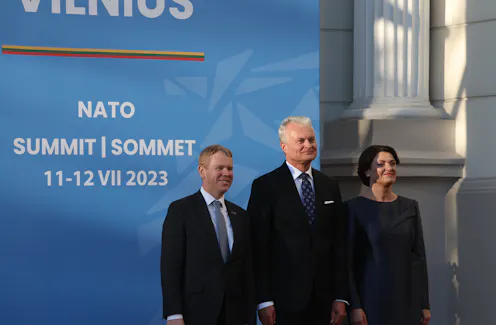
The latest NATO summit has put the spotlight on the global reach of the regional alliance.
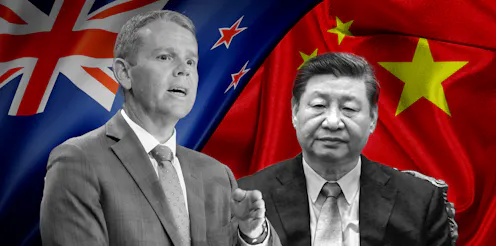
With a visit to NATO in July, and a decision due on joining the AUKUS security pact, Chris Hipkins’ visit to China has been well timed to avoid any further provocations.

Pressure for more housing often runs up against a desire to preserve urban heritage areas. International best practice offers ways to navigate the impasse.
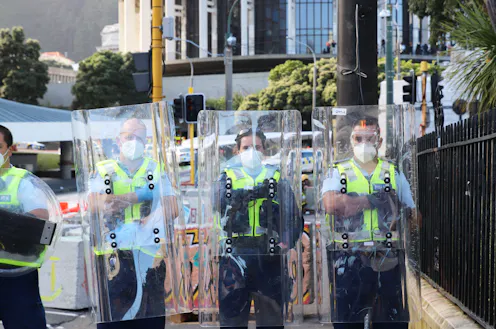
The 2022 parliament protests were unprecedented, but something similar could still happen again. What lessons can be drawn from the recent report into police handling of the event?
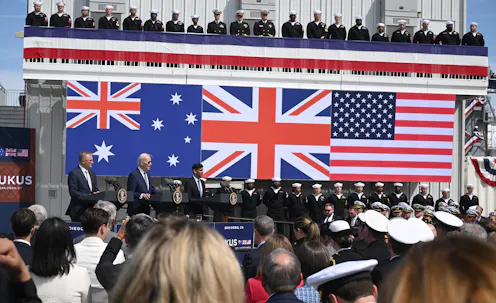
China’s global ambitions are real but they should not be over-hyped. New Zealand’s strategic interests lie outside any direct participation in AUKUS.
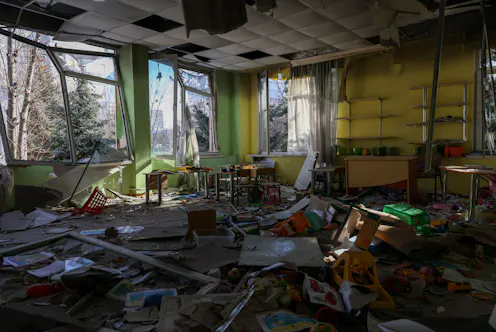
The deportation of children during war goes to the heart of important and far-reaching human rights conventions. But bringing perpetrators to justice will be a long and complex process.
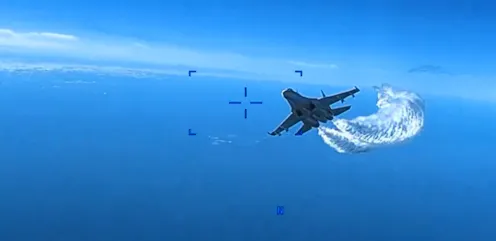
Dangerous war games, such as the Russian interception of a US drone over the Black Sea, have the potential to trigger real conflict. But there is no international law governing such behaviour.
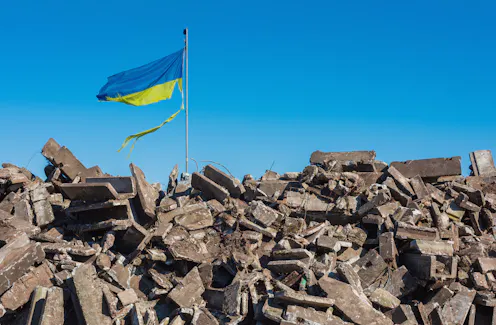
With no end in site to the Ukraine war, and the UN largely powerless, New Zealand now faces difficult military, humanitarian, diplomatic and legal challenges.
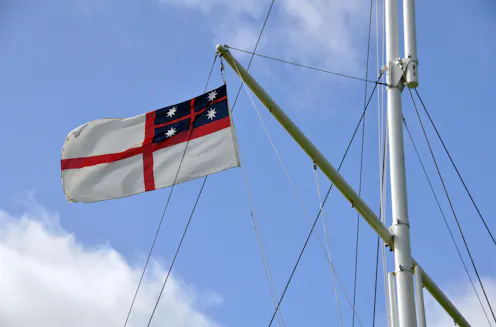
Article 3 of Te Tiriti o Waitangi gave Māori the fundamental rights and freedoms guaranteed under British law. Understanding it is critical to modern debates over ‘co-governance’ and partnership.
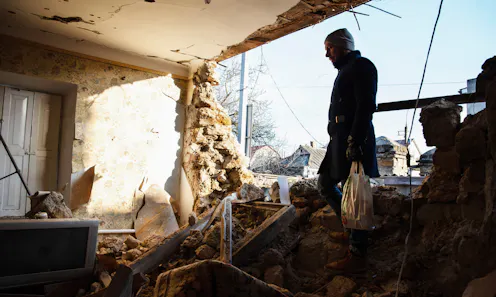
It is a war crime to intentionally attack aid workers, but providing aid in a war zone where force is used indiscriminately and mercenaries operate with scant regard to rules is extremely risky.

As the year ends, how has New Zealand fared on global and domestic measurements, from social and economic freedoms to tackling poverty and homelessness?
Contact Alexander for
- General
- Media request
- Speaking request
- Consulting / Advising
- Research collaboration
- Research supervision
- Article Feed
- ORCID
- Joined
