

Waking up to a tuneful melody or favourite song can make us feel more alert than the traditional high-pitched ringing or buzzing of an alarm clock.
- Associate Professor, Department of Physiology, Monash University
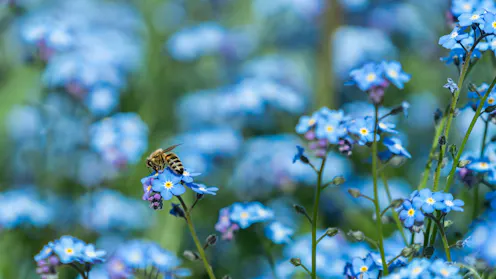
Through a bee’s eyes, blue flowers are more common than you’d think — and they could be used to monitor environmental health.
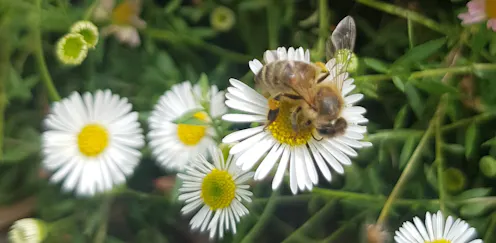
Past research has shown honeybees can add, subtract and even understand ‘zero’. But according to new findings, they can’t tell four flowers from five in natural settings.
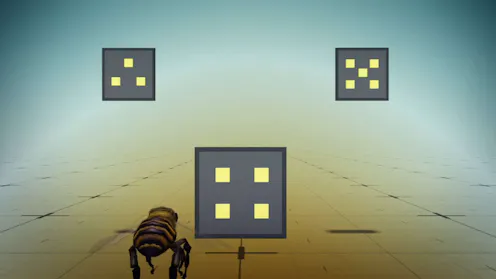
Bees may provide surprising insights into the kinds of environments that are best for learning.
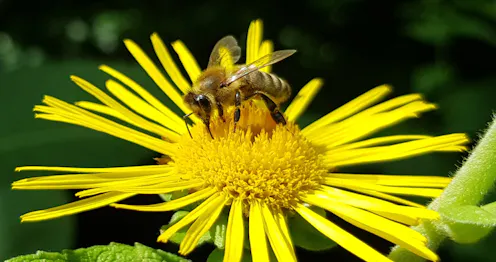
Honeybees are good at maths, but it was thought they could only count to four. That is, unless you present them with a task in which they are punished with a bitter-tasting drink for getting it wrong.
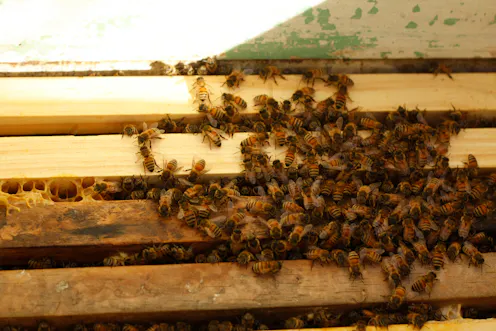
We’re left wondering whether we as humans are so very special after all – that perhaps the ability to learn mathematics could be universal.
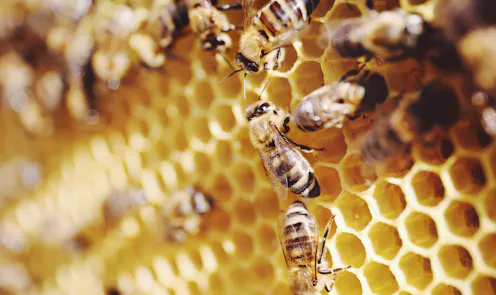
Otak lebah madu berisi kurang dari satu juta neuron. Meski begitu, mereka dapat menggunakan simbol untuk belajar matematika dasar termasuk penjumlahan dan pengurangan.
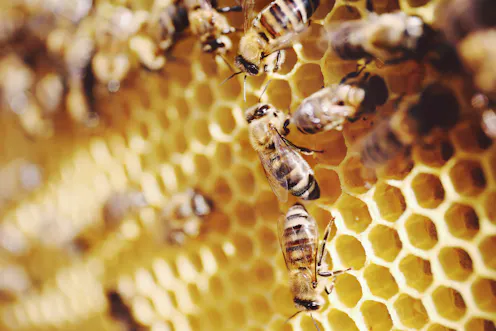
Bee brains contain less than one million neurons. Despite this, new research shows the honeybee can use symbols to perform basic maths, including addition and subtraction.
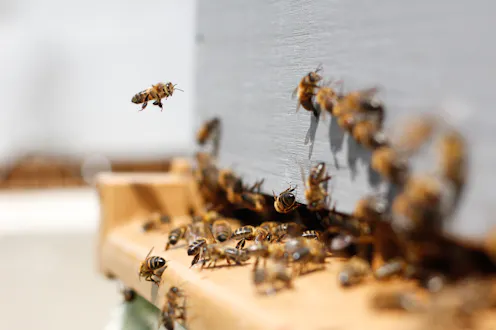
Estos insectos son un gran modelo para estudiar neurociencia. Un estudio publicado hoy en ‘Science’ muestra que sus capacidades son sorprendentes.
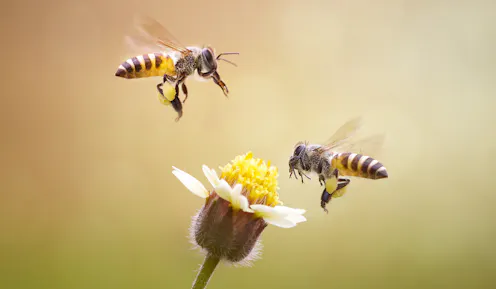
Bees need flowers to live, and we need bees to pollinate our crops. Understanding bee vision can help us better support our buzzy friends and the critical pollination services they provide.
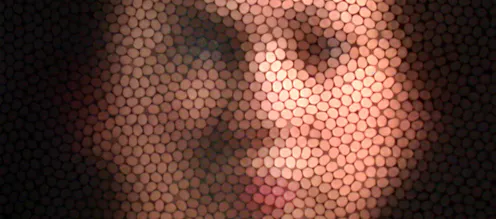
Bees and wasps can recognise people’s faces – despite having less than one million brain cells, compared to 86,000 million brain cells that make up a human brain.
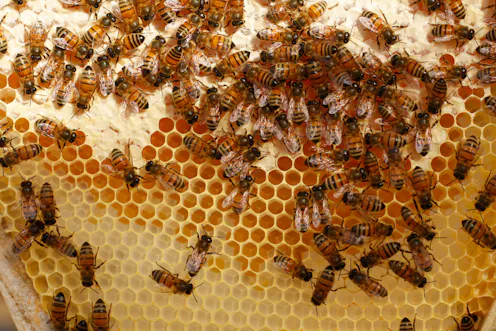
The Romans may not have had a symbol for zero, but bees understand what it means beyond just the simple assumption “there’s nothing there”.

Rather than trying to out-compete each other, flowers may work together to attract bees en masse. It’s the sort of approach that is effective in the world of advertising too.

Has your doctor ever taken a photo of your medical condition? It’s really useful to aid diagnosis, but we still don’t have the right legislation to ensure legal and ethical protections.
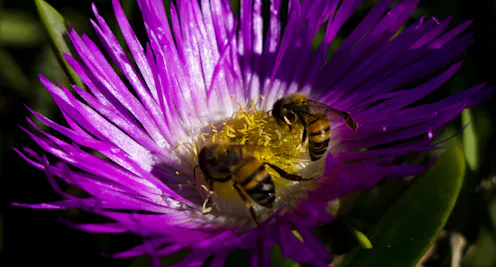
To learn about how humans, animals and insects experience vision illusions, we had to find a way to ask bees what they saw.
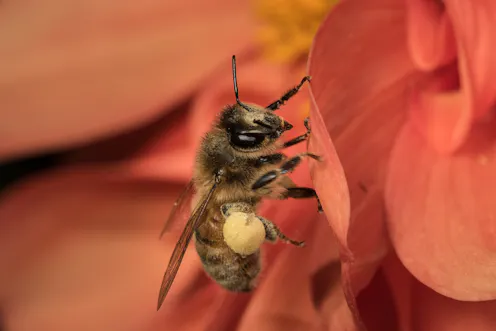
Extra “eyes” on top of bee heads help them see colours the same way under all light conditions. And it’s an approach that could help us design better cameras.
Contact Adrian for
- General
- Media request
- Speaking request
- Consulting / Advising
- Research collaboration
- Research supervision
- Location: Melbourne, Australia
- Website
- X (formerly Twitter): @OzBeeUVBG
- Article Feed
- ORCID
- Joined
