
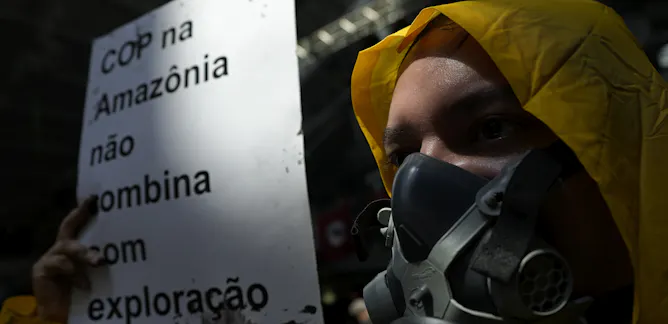
O governo Lula terá que escolher entre garantir a sustentabilidade ambiental, firmando-se como liderança global no tema, ou render-se aos apelos econômicos e desenvolvimentistas de extração de petróleo na região amazônica
Research Institute for Sustainability – Helmholtz Centre Potsdam

The Research Institute for Sustainability conducts research with the goal of understanding, advancing, and guiding processes of societal change towards sustainable development. Our research approach is transformative, transdisciplinary, and co-creative: RIFS researchers collaborate with diverse actors from science, policymaking and public administration as well as business and civil society to develop a common understanding of sustainability challenges and generate potential solutions.
Transformative sustainability research aims to bring together all relevant forms of knowledge generated both within and outside science in order to understand the problems of sustainable development, identify appropriate solutions, and support their implementation in cooperation with relevant actors and affected communities. RIFS involves these stakeholders in its transdisciplinary and co-creative research processes from the outset and does not view them as mere addressees of its research findings. The Institute also discusses its findings with representatives from politics, industry and civil society and supports transformation processes through this kind of consultation.
Our research and consultancy activities are organized across five research areas: Democracy and Sustainability, Global Implications of Socio-Technical Change, Transformative Methods, Processes and Practices, Energy Transitions and Societal Change, and Environmental and Societal Change. Our Science-Society Platforms and other activities foster dialogue between science, policymakers and civil society. These activities are complemented by a Fellow Programme, which fosters global dialogue and connects researchers working in the field of transformative research for sustainable development.
Links
Articles
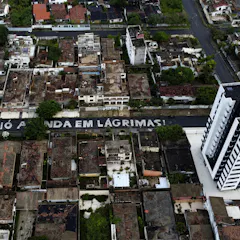
Além de ignorar alertas da ciência, insistência da Braskem com exploração de sal-gema que provocou tragédia em Maceió contradiz a própria política de ESG que a empresa apregoa.
Dans le cadre de la « Décennie de l’océan » lancée par l’ONU en 2021, de jeunes chercheurs et professionnels initient des actions entre les disciplines, les pays, les communautés et les générations.
The UN’s Ocean Decade demands collaborative action across disciplines, nations, communities, and generations, and its success relies on diverse voices that represent current and future ocean leaders.

Solar radiation management might be able to reduce some of the risks of global warming while countries get their emissions under control.
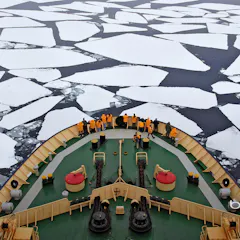
Disappearing Arctic sea ice has brought new opportunities for shipping, and placed the top of the world squarely on industry and politicians’ agendas. When the bulk carrier MV Nordic Orion last week ferried…
Authors
-

Research Group Leader, Research Institute for Sustainability – Helmholtz Centre Potsdam
-
Research associate, Research Institute for Sustainability – Helmholtz Centre Potsdam
-
Senior research associate, Research Institute for Sustainability – Helmholtz Centre Potsdam
-
Project scientist, Research Institute for Sustainability – Helmholtz Centre Potsdam
-
Research Associate, Research Institute for Sustainability – Helmholtz Centre Potsdam