
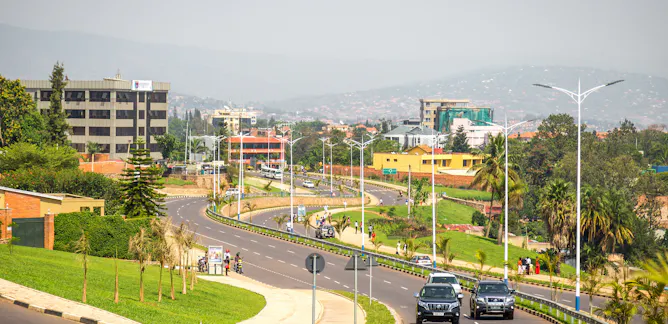
These results emphasise the high significance of the transport sector in Kigali’s air pollution levels and the need for further action to address air pollution from the sector.
International Growth Centre

The International Growth Centre (IGC) aims to promote sustainable growth in developing countries by providing demand-led policy advice based on frontier research. The IGC directs a global network of world-leading researchers and in-country teams in Africa and South Asia and works closely with partner governments to generate high quality research and policy advice on key growth challenges. Based at the London School of Economics and Political Science, and in partnership with the University of Oxford, the IGC is funded by the UK Department for International Development (DFID).
Links
Articles

Restricting trade to control the pandemic damages livelihoods, especially those of the urban poor. The control of future pandemics must strike a balance between health and economic activity.

The demon is not density but rather that African countries have not planned and made the investments necessary to manage the downsides of the type of density found in informal settlements.
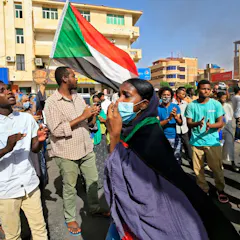
Despite its dire health and economic situation, Sudan has yet to access emergency funding to combat COVID-19.

Special steps need to be taken to blunt the impact of school closures, particuarly on girls.
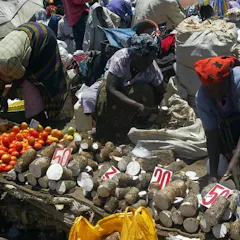
Safe rural migration programmes are not a substitute for formal social protection. But they could buy governments some time.
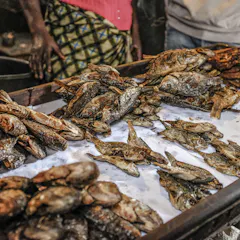
Africa’s industries are not growing at the same pace as its cities, leaving the informal economy as the main source of income for many. COVID-19 lockdowns have cut this umbilical cord.
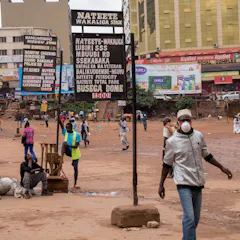
Densely populated urban areas are great drivers of economic development and innovation, but that also makes them a fertile ground for the spread of pandemics.
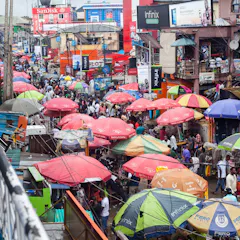
Constructing fancy ‘smart cities’ might not be the best solution for Africa’s rapidly urbanising populations.
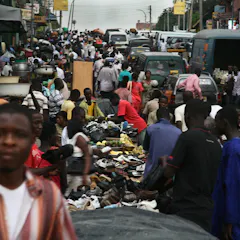
Africa is home to the world’s fastest growing cities. However, poor governance has robbed the continent of the benefits of people and firms clustering together.
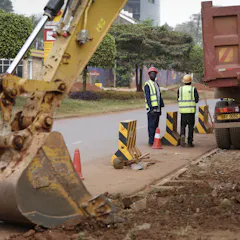
In coming years, Uganda’s GDP growth is set to accelerate as recent and ongoing public investments begin to yield returns.
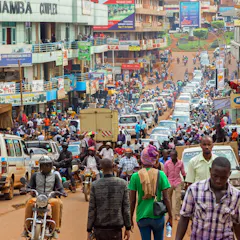
Metropolitan areas are key to economic prosperity of countries. But this is affected when the population grows too fast like in Uganda’s Kampala, where growth has outpaced infrastructure development.
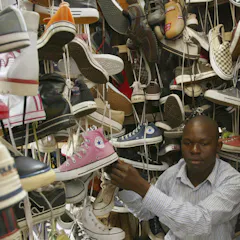
Uganda’s economy has seen many changes since independence. Trends in recent years are positive, although some key challenges remain.

With frequent irregularities, it’s easy to become cynical about elections in Africa. But polls are an essential component of the continent’s growing democracy.

Uganda needs to boost manufacturing and exports to realise the ambitions listed in its social and economic development plan.

In the 1980’s Uganda was one of the largest coffee exporters in the world, far ahead of Vietnam which hardly exported any. Now the tables have turned raising interesting comparative questions.
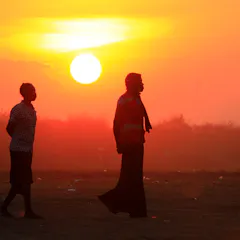
The risk factors at the heart of vulnerability to conflict can be resolved. But the first step is a ceasefire founded on an inclusive and credible agreement underwritten by the international community

M-PESA was launched nearly a decade ago in Kenya. New evidence suggests that the mobile money banking system has helped reduced poverty levels, particularly in households headed by women.
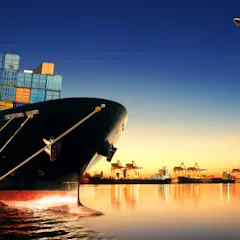
The African trade and integration spaces are seeing significant improvements and gathering even more momentum in the face of Brexit. Sarah Logan looks at the driving factors.

To date, neither Republican presidential frontrunner Donald Trump nor Democratic contender Hillary Clinton have paid significant attention to Africa as part of their campaign efforts.
Authors
-

Professor of Economics, International Growth Centre
-
Country Economist, International Growth Centre
-
South Sudan Senior Advisor, International Growth Centre, and PhD candidate, University of Cambridge, International Growth Centre
-
Researcher, International Growth Centre
-
Head of the Cities that Work initiative, International Growth Centre