

Le blocus du sud du Mali vise à affaiblir le gouvernement militaire, à inciter la population et éventuellement à consolider son contrôle.
Institute for Security Studies

The ISS conducts fieldwork and quantitative futures research to understand national, regional and continental trends in conflict, politics, economics and development. Results inform local and international policy and strategy, and enable decision makers to test the implications of their policy choices well into the future.
Links
Articles

The blockade of southern Mali is designed to weaken the military government, incite the public and possibly consolidate control.
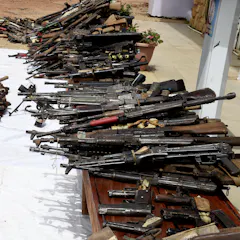
Experts provide insights into the various actors involved in Nigeria’s security challenge, their motivation and why efforts to rein them in haven’t quite succeeded.
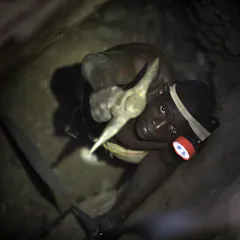
Elite competition for dominance over illegal mining locations leads to funding of armed bandits, and the use of violence against civilians in north-west Nigeria.

Les capacités de l'armée de l'air nigériane ont des répercussions géopolitiques dans la lutte contre le terrorisme en Afrique de l'Ouest
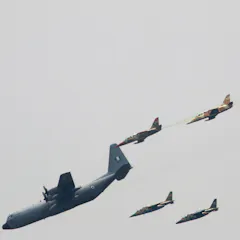
The capabilities of the Nigerian Air Force have geopolitical implications for combating terrorism and threats of coups in west Africa.
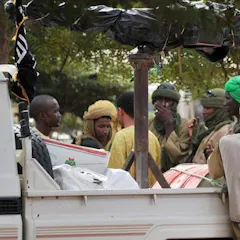
L’explosion démographique, l’échec de la gouvernance et la pauvreté endémique créent un terrain idéal pour un État djihadiste.

A combination of population explosion, failure of governance and endemic poverty creates a perfect breeding ground for a jihadist state in west Africa.
Pour réussir sa lutte contre-insurrectionnelle, l'armée malienne doit se focaliser sur la fragilité de l'État, ses capacités militaires limitées et les impacts de la crise russo-ukrainienne.
To win its counterinsurgency war, Mali’s military must focus on the fragility of the state, strained military capabilities, and fallout from Russian-Ukraine crisis.

Governance failure and location of schools around large expanses of unprotected forest zones make school children easy targets for bandits in Nigeria’s north-west.
Les bidonvilles de Bamako, au Mali, se transforment en paysages de troubles prolongés, de conflits civils, d'extrémisme violent et d'insurrection urbaine.
Slums in Bamako, Mali are transforming into landscapes of protracted unrest, civil conflict, violent extremism and urban insurgency.
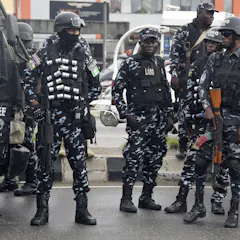
To defeat armed banditry in its north-west region, Nigeria needs to adopt a new approach to policing.
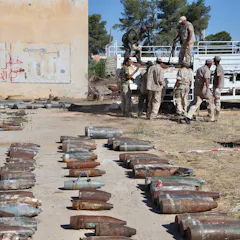
The Wagner rebellion in Russia has implications for African countries that depend on mercenaries and non-state armed groups for security.
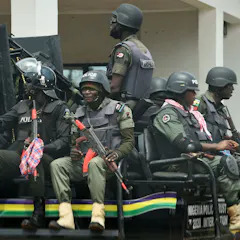
Attacks on electoral materials and election commission officials in the south-east region of Nigeria could have serious implications for the overall success of 2023 presidential election.
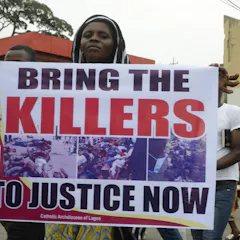
Through articles written by academic experts in the course of the year, The Conversation Africa takes a second look at Nigeria in 2022.
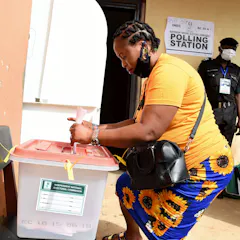
Ahead of 2023 general elections, there are increasing concerns that the current spate of violence in Nigeria, if unchecked, could undermine electoral outcomes.

Incidents of terror attack on churches in Nigeria don’t happen in a vacuum. They are driven by jihadism, pastoral conflicts and related criminality.
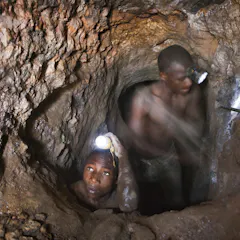
Coltan is indispensable to the making of modern electronic devices but its mining causes human and environmental disasters in the DR Congo.
Authors
-

Senior researcher, Institute for Security Studies
-
Senior Researcher, Institute for Security Studies
-
Research Fellow, Obafemi Awolowo University, Regional Coordinator, Institute for Security Studies
-
Senior Researcher West & Central Africa, Enhancing CSO Engagement in SSG in Africa Project, Institute for Security Studies